
The Sustainability Imperative in Promotional Merchandise
Eco-friendly promotional merchandise responds to growing environmental consciousness among Kenyan consumers and businesses, providing tangible demonstration of organizational values beyond marketing claims. For organizations with sustainability commitments—whether driven by corporate values, regulatory requirements, or market differentiation—environmentally responsible merchandise aligns brand practice with brand promise, generating credibility and engagement among environmentally aware stakeholders.
However, sustainability claims require authenticity—greenwashing through superficial environmental claims damages reputation when exposed. Genuine eco-friendly merchandise requires: material selection with verified environmental credentials; manufacturing processes minimizing impact; durability extending product lifespan; and end-of-life considerations including recyclability or biodegradability.
Sustainable Material Categories
Eco-friendly merchandise utilizes diverse sustainable materials: recycled plastics (rPET) diverting waste from landfills; organic cotton grown without synthetic pesticides; bamboo rapidly renewable and biodegradable; cork harvested without tree destruction; wheat straw and agricultural waste utilizing byproducts; and biodegradable alternatives to conventional plastics. Material selection should balance environmental benefit with functional performance and branding requirements.
For Kenyan markets, locally sourced sustainable materials—sisal, recycled glass, artisan crafts—provide environmental benefit with economic development impact and authentic African story. Luna Graphics sources eco-friendly merchandise across material categories with verification of environmental claims.
| Eco Material | Environmental Benefit | Product Applications | Considerations |
|---|---|---|---|
| Recycled PET (rPET) | Diverts plastic waste, reduces virgin plastic | Bags, bottles, apparel, lanyards | Quality consistent with virgin, verified source |
| Organic cotton | No synthetic pesticides, better soil health | T-shirts, bags, textiles | Higher cost, limited colors, certification |
| Bamboo | Rapidly renewable, biodegradable, antimicrobial | Utensils, tech accessories, apparel | Processing chemicals, shipping impact |
| Cork | Harvested sustainably, biodegradable, unique | Coasters, bags, office accessories | Limited applications, premium cost |
| Wheat straw | Agricultural waste utilization, biodegradable | Pens, containers, cutlery | Emerging material, variable quality |
| Recycled paper/card | Forest conservation, waste reduction | Notebooks, packaging, cards | Durability limitations, water sensitivity |
Product Categories and Green Alternatives
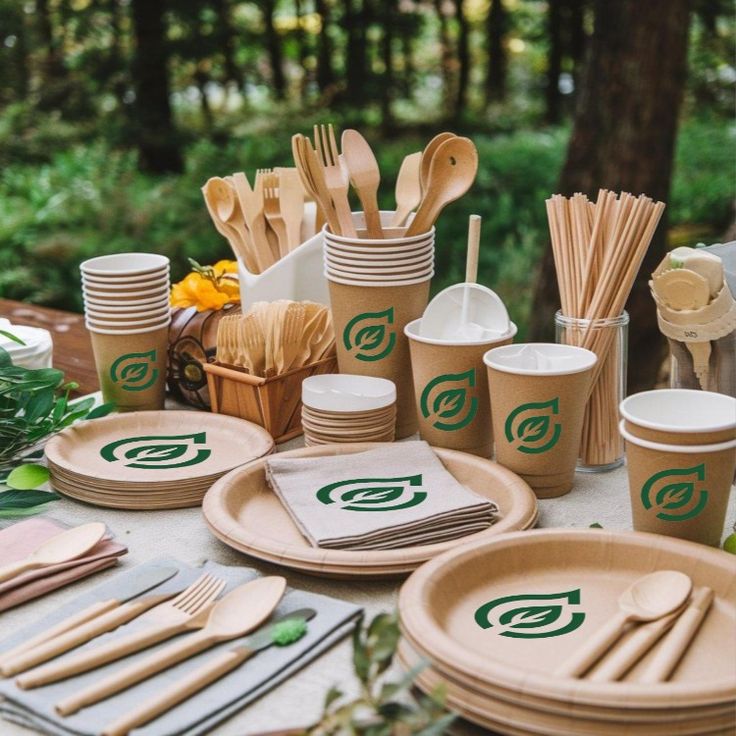
Common promotional products have eco-friendly alternatives: reusable bags replacing single-use plastic; bamboo or stainless steel drinkware replacing disposable cups; recycled paper notebooks; solar-powered chargers; seed paper that plants; and products supporting environmental causes. Category selection should prioritize genuine utility ensuring extended use rather than disposable green gimmicks.
For Kenyan corporate applications, practical eco-friendly items—reusable shopping bags, water bottles reducing plastic waste, solar chargers addressing energy reliability—align environmental values with local needs increasing appreciation and utilization.
Branding and Sustainability Communication
Eco-friendly merchandise branding should communicate environmental story: material origin and benefit; manufacturing process improvements; durability and longevity messaging; and end-of-life guidance (recycling, composting). However, environmental messaging should be honest and specific avoiding vague green claims vulnerable to skepticism.
For Kenyan sustainability-conscious audiences, certification logos (Fair Trade, Organic, Recycled Content) and specific environmental data support credibility. Branding design should reflect environmental values through natural imagery, earth tones, or minimalist aesthetics.
Local Sourcing and Community Impact
Genuine sustainability includes social and economic dimensions—locally sourced merchandise reducing transport emissions while supporting Kenyan businesses and artisans; fair trade ensuring ethical production; and community-based manufacturing providing employment. For Kenyan organizations, local environmental and social impact may outweigh imported eco-alternatives.
Luna Graphics provides locally sourced sustainable merchandise options supporting Kenyan environmental and economic development objectives.
Quality and Durability for Sustainability
The most sustainable product is one that lasts—durability extends useful life reducing replacement frequency and waste generation. Eco-friendly merchandise must meet quality standards ensuring extended service, with robust construction and timeless design resisting obsolescence. For Kenyan applications, quality investment supports both environmental and economic objectives.
Measurement and Authenticity
Eco-friendly merchandise programs should measure: environmental impact (waste diverted, emissions reduced); recipient perception and appreciation; and brand association shifts. Authenticity requires transparency about environmental claims with documentation supporting certification and impact claims.
For Kenyan organizations, sustainability reporting including merchandise choices demonstrates comprehensive commitment supporting reputation and stakeholder trust.
Conclusion: Sustainability as Brand Differentiation
Eco-friendly promotional merchandise, authentically executed, demonstrates organizational values, engages environmentally conscious stakeholders, and differentiates brand in competitive markets. For Kenyan businesses, sustainable merchandise choices contribute to environmental objectives while building brand credibility and loyalty.
Luna Graphics provides eco-friendly merchandise services including sustainable sourcing, environmental verification, and green branding integration. Our expertise ensures merchandise programs aligning environmental values with marketing objectives. Contact our sustainability team to discuss your eco-friendly merchandise strategy.
Written by Ian Love
Marketing Director
Professional contributor at Luna Graphics specializing in printing and branding solutions.