

The Imperative for Sustainable Printing in Kenya
Environmental consciousness has transitioned from peripheral concern to central business strategy for Nairobi's leading corporations. As global supply chains face sustainability scrutiny and local regulations evolve, printing operations represent significant opportunities for environmental impact reduction. The printing industry traditionally carries heavy ecological burdens—deforestation for paper, petroleum-based inks, chemical processing, and waste generation—but modern technologies and practices offer viable alternatives that maintain quality while reducing footprint.
Kenyan businesses face particular sustainability pressures. International clients and partners increasingly require environmental compliance documentation. Local communities affected by industrial operations demand responsible practices. Employee recruitment and retention favor organizations with credible sustainability commitments. These pressures make eco-friendly printing not merely ethical choice but business necessity.
Sustainable Paper Sourcing and Selection
Paper production represents the most visible environmental impact in printing operations. Conventional paper manufacturing consumes substantial timber resources, water, and energy while generating significant pollution. Sustainable alternatives address these impacts through multiple mechanisms without compromising print quality or functionality.
Recycled content papers utilize post-consumer waste (PCW) or pre-consumer industrial waste as fiber sources, reducing demand for virgin timber. Modern recycled papers achieve quality comparable to virgin alternatives, with brightness, opacity, and printability suitable for corporate communications. PCW content ranging from 30% to 100% offers graduated sustainability levels—higher recycled content generally reduces brightness slightly but maintains professional appearance.
Forest Stewardship Council (FSC) certification ensures paper originates from responsibly managed forests maintaining biodiversity, water quality, and community rights. FSC-certified papers carry chain-of-custody documentation verifying sustainable sourcing throughout supply chains. Kenyan businesses can specify FSC certification for corporate reports, packaging, and marketing materials, providing credible sustainability claims.
Alternative fiber papers explore non-wood sources including bamboo, sugarcane bagasse, cotton, and agricultural residues. These materials often grow faster than timber with lower water and chemical inputs, offering reduced environmental impact. Specialty applications including premium business cards, wedding invitations, and artistic publications utilize these distinctive substrates for both sustainability and aesthetic differentiation.
Environmentally Responsible Ink Technologies
Conventional petroleum-based inks contain volatile organic compounds (VOCs) that contribute to air pollution and occupational health hazards. Modern alternatives significantly reduce or eliminate these concerns while maintaining print quality standards that professional applications demand.
Vegetable-based inks substitute renewable plant oils—soy, linseed, castor—for petroleum derivatives. These formulations reduce VOC emissions by 50-90% compared to conventional inks while providing excellent color reproduction and drying characteristics. Soy-based inks have become industry standard for sheet-fed offset printing, suitable for most corporate applications including stationery, brochures, and reports.
Water-based inks eliminate petroleum solvents entirely, utilizing water as primary carrier. These formulations serve flexographic and gravure printing for packaging applications, and increasingly for digital printing technologies. Water-based latex inks for large format printing produce odorless, environmentally benign output suitable for indoor applications including retail graphics and office environments.
UV-curable inks offer environmental benefits through elimination of solvent evaporation. These 100% solids formulations contain no volatile components—everything deposited on substrate cures into solid film. The instant curing process eliminates energy-intensive drying ovens and ventilation requirements. While UV inks contain photoinitiators requiring handling care, their overall environmental profile compares favorably to solvent alternatives.
Energy Efficiency and Production Optimization
Printing operations consume substantial electricity for equipment operation, facility climate control, and drying processes. Energy efficiency measures reduce both environmental impact and operational costs, creating win-win sustainability improvements.
Modern printing equipment incorporates energy-efficient designs including LED-UV curing systems that reduce electricity consumption 50-70% compared to conventional mercury arc lamps. Variable frequency drives on press motors optimize power consumption based on actual load requirements. Heat recovery systems capture and reuse thermal energy from drying processes.
Production planning affects energy efficiency significantly. Consolidating jobs to minimize press startups, optimizing press speeds for energy-per-unit efficiency, and scheduling energy-intensive operations during off-peak hours reduce both costs and grid strain. Digital printing's on-demand capability eliminates overproduction waste, saving energy that would be consumed producing unnecessary copies.
Facility-level improvements including LED lighting, efficient HVAC systems, and building insulation complement production equipment upgrades. Solar photovoltaic installations increasingly power Nairobi printing facilities, leveraging Kenya's abundant solar resources to reduce grid dependence and carbon footprint.
Waste Reduction and Circular Economy Practices
Printing generates substantial waste streams including paper trim, offcuts, makeready waste, obsolete inventory, and chemical byproducts. Sustainable operations minimize waste generation and maximize recycling or reuse of unavoidable waste.
Make-ready waste—the sheets consumed calibrating color and registration before production—represents significant paper consumption. Digital printing eliminates this waste entirely for short runs, while computer-to-plate systems and advanced press controls minimize makeready for offset operations. Paperless proofing using calibrated monitors reduces physical proof consumption.
Trim waste and offcuts from cutting operations can be recycled into lower-grade paper products, composted (for uncoated papers), or utilized for packaging filler. Some facilities partner with animal bedding producers or insulation manufacturers for waste fiber utilization. Establishing segregated waste streams ensures recyclable materials aren't contaminated by non-recyclable components.
Chemical waste from plate processing, blanket washing, and equipment maintenance requires proper handling and disposal. Vegetable-based wash solutions replace petroleum solvents for press cleaning. Closed-loop chemical recycling systems extend processor bath life and reduce discharge volumes. Hazardous waste should be handled by licensed contractors with proper documentation.
Sustainable Large Format and Signage Applications
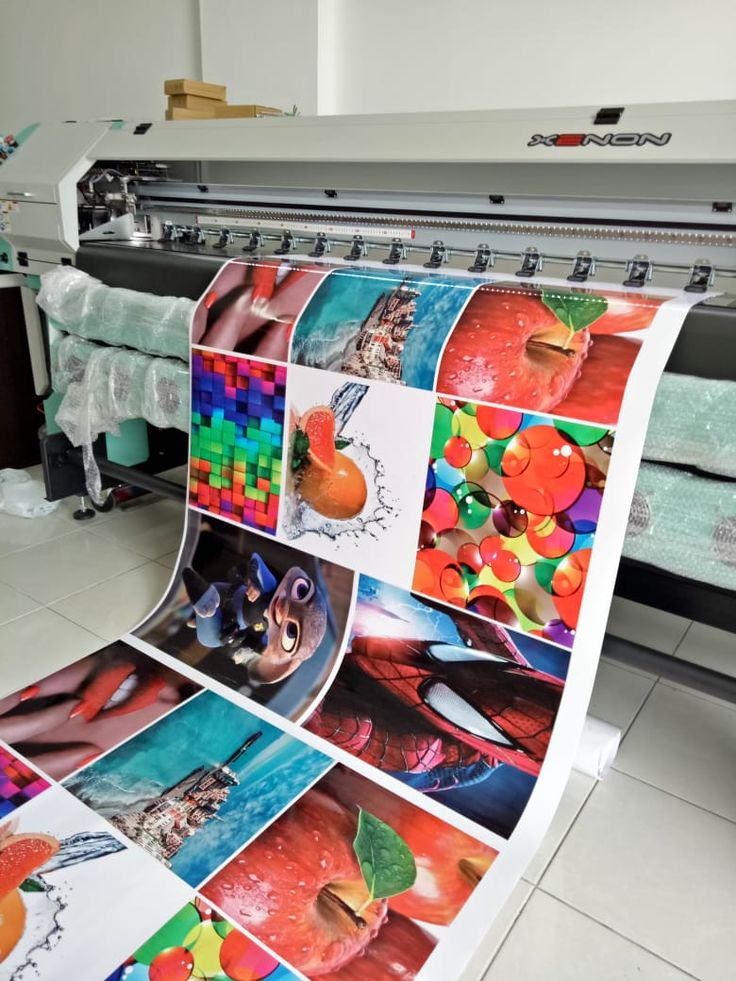
Large format printing presents particular sustainability challenges given material volumes and outdoor exposure requirements. Traditional PVC vinyl banners and solvent inks create significant environmental burdens through petroleum consumption, plastic pollution, and air emissions.
| Traditional Material | Sustainable Alternative | Application | Environmental Benefit |
|---|---|---|---|
| PVC Vinyl Banners | Polyethylene or fabric banners | Temporary signage | Recyclable, reduced toxicity |
| Solvent Inks | Latex or UV-curable inks | All large format | Eliminated VOC emissions |
| Rigid PVC Boards | Cardboard or bamboo boards | Indoor displays | Biodegradable, renewable |
| Conventional Adhesives | Water-based adhesives | Graphics mounting | Reduced chemical exposure |
| Non-recyclable substrates | Recyclable or biodegradable | Event graphics | End-of-life recovery |
Fabric signage alternatives including recycled polyester banners offer reduced environmental impact with practical advantages including lighter shipping weight, wrinkle resistance, and elegant drape. These materials suit indoor applications and short-term outdoor use, though they generally don't match PVC durability for extended outdoor exposure.
Biodegradable and compostable materials serve short-term applications like event signage and promotional displays. These materials decompose under appropriate conditions, reducing landfill burden. However, they require specific disposal pathways—industrial composting facilities—to realize environmental benefits, and may not suit applications requiring weather resistance or extended durability.
Certification and Verification Systems
Credible environmental claims require third-party verification to prevent greenwashing—misleading sustainability assertions that damage credibility and potentially violate consumer protection regulations. Several certification systems provide recognized standards for printing operations and products.
ISO 14001 environmental management certification demonstrates systematic approach to environmental impact reduction, including documented procedures, monitoring, and continuous improvement. While not product-specific, this certification indicates organizational commitment and capability for sustainable operations.
FSC Chain of Custody certification specifically addresses paper sourcing, tracking fiber from certified forests through production to finished products. This certification enables FSC labeling on printed materials, providing consumer-facing sustainability verification.
Carbon footprint accounting and offset programs enable carbon-neutral printing claims. These programs calculate greenhouse gas emissions from production processes and invest in verified offset projects—renewable energy, reforestation, or methane capture—to achieve net-zero claims. Independent verification of both calculations and offsets ensures credibility.
Implementation Strategies for Kenyan Businesses
Transitioning to sustainable printing requires strategic approach balancing environmental objectives with quality requirements, budget constraints, and operational continuity. Phased implementation typically succeeds better than abrupt wholesale changes that risk service disruption or unacceptable quality compromises.
Begin with material substitution in non-critical applications—internal documents, temporary signage, promotional items—to build confidence and supplier relationships before transitioning customer-facing materials. Specify recycled or FSC-certified papers for appropriate applications, vegetable-based inks for offset printing, and water-based or UV-curable systems for large format.
Evaluate printing partners based on environmental credentials and capabilities. Request documentation of certifications, waste management practices, and energy efficiency measures. Leading sustainable printers provide environmental impact reports quantifying resource consumption and emissions for specific projects.
Design for sustainability reduces material consumption through efficient layouts, appropriate sizing, and format optimization. Eliminate unnecessary pages, utilize both sides of sheets, and design for standard material sizes to minimize trim waste. Digital distribution alternatives complement printed materials for appropriate audiences and applications.
Economic Considerations and Business Case
Sustainable printing often carries premium pricing—typically 10-25% above conventional alternatives—reflecting higher material costs and sometimes reduced production efficiency. However, total cost analysis frequently reveals offsetting savings through waste reduction, regulatory compliance, and brand value enhancement.
Waste reduction from right-sized production and digital alternatives directly reduces costs. Regulatory compliance with emerging environmental regulations avoids penalties and operational restrictions. Brand value enhancement attracts environmentally conscious customers, supports premium pricing, and improves employee engagement and retention.
Marketing value of credible sustainability claims can be substantial. Consumer research consistently shows willingness to pay premiums for environmentally responsible products, and B2B procurement increasingly includes sustainability criteria. Documented sustainable printing practices support marketing claims and corporate social responsibility reporting.
Luna Graphics maintains comprehensive environmental management systems including ISO 14001 certification, FSC chain of custody, and carbon footprint accounting. We partner with clients to implement sustainable printing strategies that meet environmental objectives without compromising quality or budget requirements. Contact our sustainability team for environmental impact assessments and green printing consultation.
Written by Ian Love
Marketing Director
Professional contributor at Luna Graphics specializing in printing and branding solutions.