
Labeling Evolution in Manufacturing
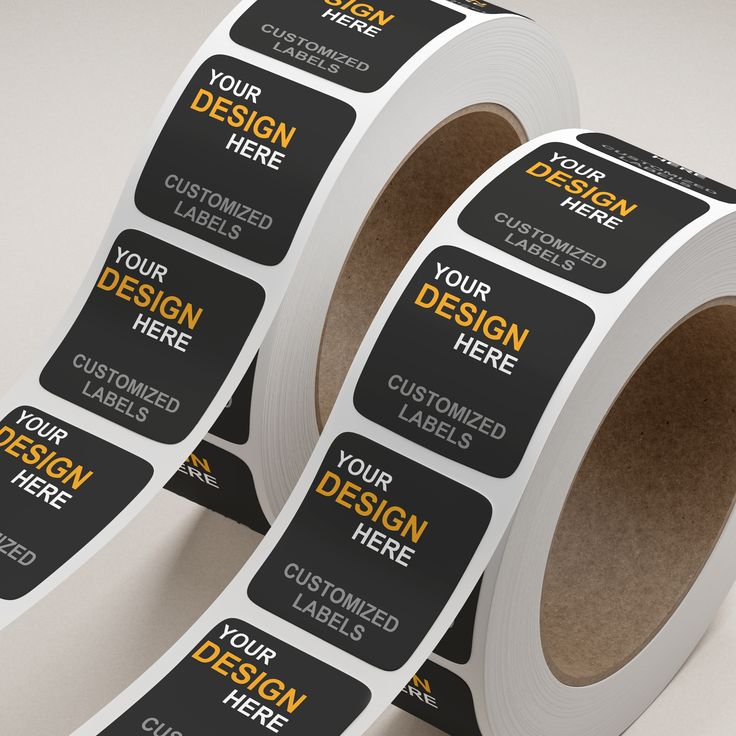
Product labels serve critical functions in manufacturing—brand identification, regulatory compliance, consumer information, and supply chain tracking. Traditional label printing required substantial minimum quantities and long lead times, forcing manufacturers to manage label inventory and accept obsolescence risk when formulations or regulations changed. Digital label printing transforms these economics, enabling responsive, compliant, and efficient labeling operations.
For Kenyan manufacturers across food and beverage, pharmaceuticals, cosmetics, chemicals, and consumer goods, digital label production offers particular advantages: regulatory agility as requirements evolve; versioning for export markets with different labeling standards; and elimination of obsolete inventory when products change. These capabilities support competitive manufacturing in demanding markets.
Digital Label Technologies
HP Indigo and similar electrophotographic presses dominate high-quality digital label production, achieving color quality and substrate versatility rivaling offset printing. These presses utilize liquid toner (electroinks) that transfer and fuse to substrates, producing durable, vibrant labels suitable for premium consumer products.
UV inkjet label presses provide alternative technology with excellent durability and substrate compatibility. UV-curable inks resist water, chemicals, and abrasion without lamination, suiting industrial and chemical labeling. The technology excels for durable goods labeling and applications requiring extreme resistance.
Direct thermal and thermal transfer printing serve variable information applications—shipping labels, barcode labels, and date/lot coding. These technologies apply heat-sensitive or ribbon-transferred imaging to specialized substrates, providing economical short-run variable data without ink costs.
Hybrid presses combine digital printing with conventional finishing—die-cutting, varnishing, embellishing—in integrated production lines. These systems provide digital flexibility with finishing sophistication previously available only on analog equipment.
Variable Data and Mass Customization
Serial numbering enables individual item tracking for authentication, warranty registration, and supply chain visibility. Each label receives unique sequential number without slowing production or requiring plate changes. Essential for high-value goods, pharmaceuticals, and anti-counterfeiting applications.
Barcode and QR code integration automates data capture throughout distribution and retail. Digital printing ensures code clarity and consistency critical for reliable scanning. Variable codes enable item-level tracking without separate labeling operations.
Versioning accommodates regulatory variations, language requirements, and market-specific formulations. Single production run can generate labels for multiple export markets with appropriate regulatory text, languages, and symbols. Eliminates separate inventory for each version.
Personalization creates consumer engagement through individualized labels—campaign messaging, regional references, or consumer names. Beverage and personal care brands leverage personalization for promotional impact impossible with static labels.
Substrates and Durability Engineering
| Substrate | Characteristics | Best Applications |
|---|---|---|
| Paper (coated/uncoated) | Economical, printable, limited durability | Dry goods, short shelf-life, indoor |
| Polypropylene (BOPP) | Water-resistant, flexible, cost-effective | Food, beverage, personal care |
| Polyester (PET) | High durability, chemical resistance | Chemicals, outdoors, extreme conditions |
| Polyethylene (PE) | Conformable, squeezable | Tubes, flexible packaging |
| Vinyl | Conformable, durable | Industrial, outdoor, curved surfaces |
| Metallized films | Premium appearance, barrier properties | Luxury goods, premium food |
| Clear films | No-label look | Premium cosmetics, beverages |
| Destructible vinyl | Tamper-evident | Security, warranty, authentication |
| Textured papers | Tactile premium feel | Wine, spirits, gourmet foods |
| Synthetic papers | Durability, tear-resistance | Chemicals, outdoor, moisture |
Regulatory Compliance and Industry Standards
Food labeling in Kenya must comply with KEBS standards and international requirements for export markets. Mandatory elements include: product name; ingredient list; allergen declaration; net quantity; manufacturer details; country of origin; batch/lot number; date marking; storage conditions; and nutritional information. Digital printing enables rapid updates as regulations evolve.
Pharmaceutical labeling faces stringent requirements including: product identification; strength and dosage form; route of administration; warnings and precautions; storage conditions; and serialization for traceability. Digital production supports compliance with variable data requirements and anti-counterfeiting measures.
Chemical labeling follows GHS (Globally Harmonized System) standards for hazard communication. Pictograms, signal words, hazard statements, and precautionary statements must appear clearly and durably. Chemical-resistant substrates and inks ensure label integrity throughout product life.
Export market compliance requires understanding destination country regulations. EU, US, and other markets have specific labeling requirements that may differ from Kenyan standards. Digital versioning enables single production of multiple compliant label variants.
Economic Analysis: Digital vs Analog
Digital label production eliminates plate costs and makeready waste, providing economic advantage for short runs and frequent changeovers. The crossover point where flexography becomes cheaper varies by job complexity, but digital typically dominates runs under 5,000-10,000 labels.
Inventory reduction delivers significant working capital benefits. Digital production enables just-in-time label manufacturing, reducing label inventory from months to days of supply. This agility eliminates obsolescence risk when products change or regulations update.
Versioning economics favor digital dramatically. Producing ten versions of 1,000 labels each digitally costs marginally more than single version of 10,000; analog production requires ten separate setups with associated costs and waste.
Total cost of ownership includes equipment, materials, labor, and overhead. Digital presses have higher per-label ink costs but lower setup costs and waste. Accurate cost modeling requires analysis of specific production mix—digital advantages increase with job complexity and changeover frequency.
Quality Assurance and Production Control
Color management ensures brand consistency across digital and analog production. ICC profiling, press characterization, and standardized viewing conditions maintain color accuracy. Physical proofing remains essential for color-critical brand matching.
Variable data verification prevents costly errors in serialized or coded labels. Automated inspection systems verify barcode readability, number sequence, and data accuracy. Reject mechanisms remove defective labels before delivery.
Adhesive performance testing validates bond strength, removability, and environmental resistance for specific applications. Label failure in distribution damages product and brand; thorough testing prevents field failures.
Regulatory compliance verification includes artwork proofing against regulatory checklists, verification of mandatory elements, and documentation for audit trails. Digital asset management preserves approved artwork versions and change history.
Integration with Manufacturing Operations
Production scheduling alignment minimizes label inventory while ensuring supply security. Digital agility enables production aligned to manufacturing schedules rather than maintaining label stock. ERP integration automates reorder triggers based on production plans.
Application equipment compatibility ensures labels perform on filling lines. Label dispensing, application pressure, and line speed affect label selection and specification. Coordination between label supplier and equipment manufacturer optimizes performance.
Supply chain security includes approved vendor programs, material traceability, and anti-counterfeiting measures. Digital printing enables covert and overt security features protecting brand integrity.
Luna Graphics provides digital label production serving Kenyan manufacturers with HP Indigo technology, comprehensive finishing, and regulatory compliance expertise. We partner with manufacturers to optimize labeling operations for agility, compliance, and cost efficiency. Contact our label specialists to assess digital advantages for your production requirements.
Written by Ian Love
Marketing Director
Professional contributor at Luna Graphics specializing in printing and branding solutions.