
The Photo Opportunity Imperative
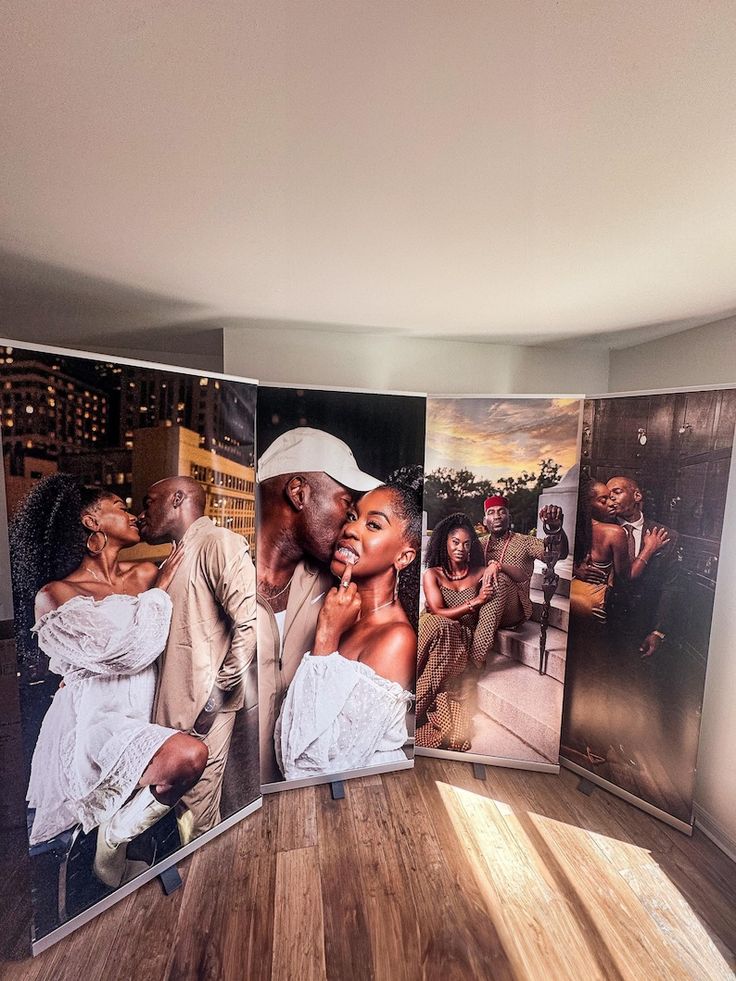
Social media has transformed event graphics from background decoration to primary content creation tools. Custom photo backdrops encourage attendee photography, generating organic social reach and event documentation. Well-designed backdrops become destinations within events, creating queues of eager photographers and extending brand exposure far beyond physical attendance.
Effective photo backdrops balance brand messaging with aesthetic appeal—overly commercial designs discourage sharing; too subtle and brand opportunity is lost. The sweet spot creates images attendees want as personal keepsakes while clearly conveying event or sponsor identity.
Backdrop Types and Applications
Step-and-repeat patterns provide classic branded backgrounds. Logo repetition at calculated intervals ensures brand visibility regardless of subject positioning. Standard for corporate events, product launches, and red carpet occasions.
Scenic backdrops transport subjects to locations or themes—tropical beaches, urban skylines, abstract patterns, or custom illustrations. These create emotional resonance and shareability beyond standard branding.
3D and interactive backdrops incorporate: props and cutouts (frames, speech bubbles); floral or greenery integration; lighting effects; and augmented reality triggers. These encourage playful engagement and unique photography.
Green screen backdrops enable digital background replacement, offering multiple virtual environments from single physical setup. Requires post-processing but maximizes flexibility.
Material and Sizing
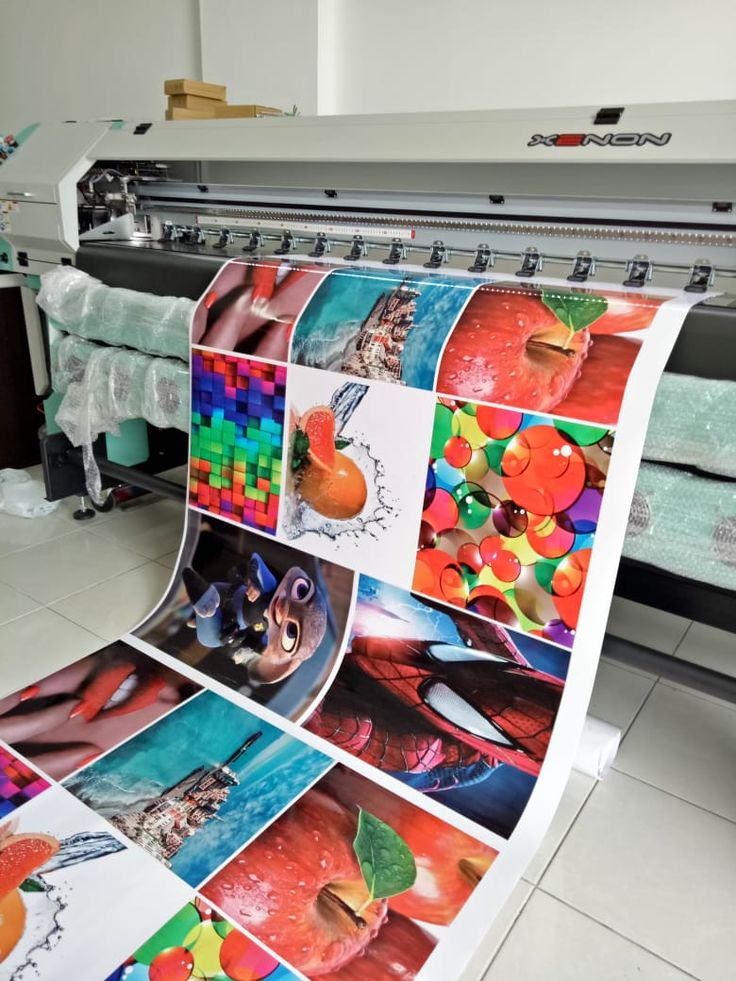
Tension fabric (dye-sublimated) provides: wrinkle-free appearance; matte finish reducing glare; vibrant color; and packability. Preferred for most indoor events.
Vinyl offers: economy; durability for high-touch or outdoor use; and opacity. Glossy vinyl creates challenges with lighting glare.
Paper or board backdrops suit: single-use events; specific texture requirements; and budget constraints. Less durable but can be recycled.
Sizing guidelines: width 2.4-4m for 1-4 subjects; height 2.2-2.4m for waist-up framing, 2.7m+ for full body. Consider group photo requirements—weddings, team photos need wider backdrops.
Lighting and Photography Optimization
Lighting design ensures flattering, consistent photography: even illumination eliminating shadows; color temperature matching camera white balance; and adequate brightness for mobile phone cameras.
Positioning subjects 1-2m from backdrop prevents shadows and allows background blur (bokeh) if desired. Floor markings ensure consistent placement.
Camera height considerations—backdrops should extend below typical framing to avoid cutting off at floor line.
Social Media Integration
Hashtag integration encourages sharing—subtle inclusion in design or props. QR codes link to event galleries or social filters.
Branding for sharing includes: watermarks or corner logos; event dates for commemoration; and sponsor recognition if applicable.
Instant print stations provide physical takeaways alongside digital sharing, extending brand presence to homes and offices.
Design Trends
Minimalist and clean aesthetics suit professional contexts—simple patterns, ample negative space, sophisticated color palettes.
Bold and vibrant designs attract attention in crowded events—neon colors, geometric patterns, maximalist approaches.
Personalization with: event-specific messaging; attendee names (for VIP events); and date/location customization.
Luna Graphics creates custom photo backdrops: design services; fabric and vinyl printing; and hardware systems. Our portfolio includes corporate events, weddings, and brand activations. Contact our events team for your photo opportunity needs.
Written by Ian Love
Marketing Director
Professional contributor at Luna Graphics specializing in printing and branding solutions.