
Defining Routing and Milling
CNC routing and CNC milling represent closely related manufacturing technologies sharing fundamental principles—rotating tools remove material under computer control—yet differ significantly in typical configurations, capabilities, and optimal applications. Understanding these distinctions enables appropriate technology selection and realistic expectation setting for manufacturing projects.
The terminology overlap causes confusion. "Routing" traditionally described woodworking operations with high-speed spindles and relatively light cutting forces; "milling" implied metalworking with slower speeds, higher forces, and rigid construction. Modern CNC blurs these distinctions—industrial routers machine aluminum; mills cut plastics and wood. The practical differences lie in machine design optimization for specific material categories and operational characteristics.
Kenyan manufacturing utilizes both technologies, with routing dominating signage, furniture, and interior applications while milling serves precision mechanical and metalworking needs. Some operations bridge categories with hybrid capabilities.
Equipment Design Differences
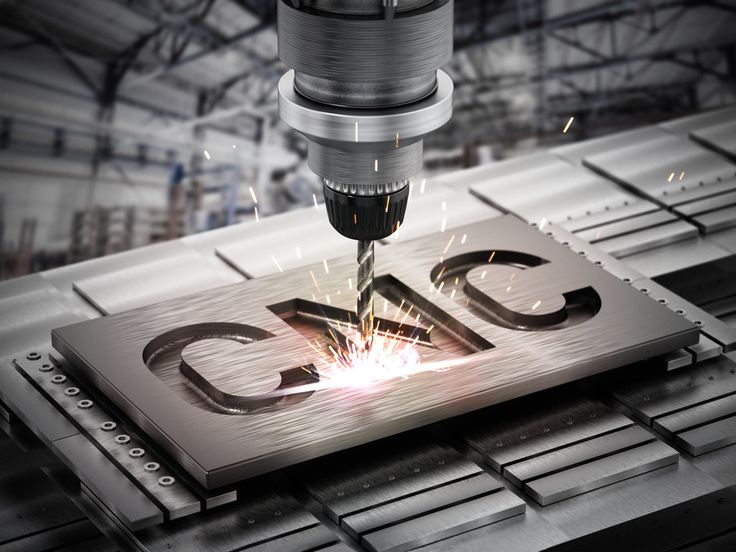
Spindle Characteristics: CNC routers typically feature high-speed spindles (15,000-30,000 RPM) optimized for wood, plastics, and light metals. These speeds suit smaller diameter tools and materials cutting best with high surface speeds. CNC mills operate slower spindles (1,000-10,000 RPM typical, though high-speed mills exist) with higher torque for metal cutting and heavy material removal.
Machine Construction: Routers generally feature lighter construction—aluminum extrusion or steel frame gantries—suitable for cutting forces in soft materials. Mills employ massive cast iron or welded steel construction with exceptional rigidity resisting deflection under heavy cutting loads. This rigidity difference fundamentally affects capability—mills machine harder materials with precision impossible for lighter machines.
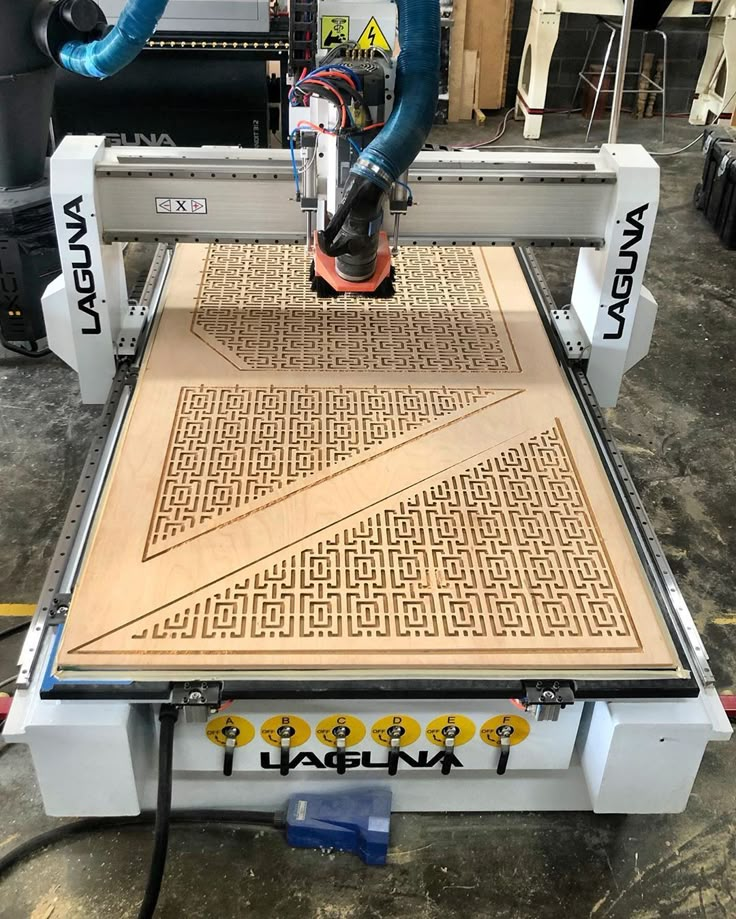
Work Envelope: Routers typically offer larger work areas relative to machine footprint—common sizes 1200x1200mm to 3000x1500mm—suited for sheet goods processing. Mills generally provide smaller work envelopes with emphasis on precision rather than capacity. Large mills exist but represent significant capital investment.
Motion Systems: Routers often utilize rack-and-pinion drives for long axis travel, providing speed at acceptable precision for sheet processing. Mills typically employ ball screws offering superior precision and repeatability, accepting slower rapid traverse speeds. Linear guide systems differ accordingly—routers use profile rails; mills may employ box ways or hydrostatic bearings for ultimate rigidity.
| Characteristic | CNC Router | CNC Mill | Implication |
|---|---|---|---|
| Typical Spindle Speed | 18,000-24,000 RPM | 1,000-8,000 RPM | Material optimization |
| Spindle Power | 3HP-15HP | 5HP-50HP+ | Material removal rate |
| Construction | Light to medium rigid | Heavy rigid | Cutting force capacity |
| Work Area | Large (sheets) | Small to medium | Application scale |
| Axis Travel (Z) | 150-300mm typical | Variable, often large | 3D capability |
| Positioning Accuracy | ±0.05-0.1mm | ±0.005-0.02mm | Precision level |
| Best Materials | Wood, plastic, foam, Al | Metal, hard materials | Application fit |
| Cost Range | KES 800K-8M | KES 5M-50M+ | Investment level |
Capability Overlap and Distinctions
Wood and Plastics: Both technologies process these materials effectively, though routers optimize for typical sheet goods and large components. Mills provide superior precision for intricate mechanical parts in plastics, with better surface finishes and tighter tolerances. For furniture and signage, routers offer appropriate capability at lower cost; for precision mechanical components, mills justify investment.
Aluminum and Soft Metals: Quality industrial routers machine aluminum sheet (under 6mm) effectively with appropriate spindles and parameters. Mills handle aluminum plate, harder alloys, and ferrous metals beyond router practical capability. The transition point depends on specific machine capability—heavy industrial routers overlap with light mills in aluminum processing.
Ferrous Metals and Hard Materials: Steel, stainless steel, and hardened materials require milling equipment. Router construction inadequate for cutting forces and tool pressures involved. Coolant systems, rigid workholding, and appropriate spindle torque essential for these materials.
3D Machining: Both technologies create 3D forms, though approaches differ. Routers with 4th axis (rotary) or 5-axis capability handle complex 3D work in soft materials. Mills provide superior precision and surface finish in 3D metal components. Mold making spans both—routers for large wood or foam molds; mills for precision metal tooling.
Application-Specific Recommendations
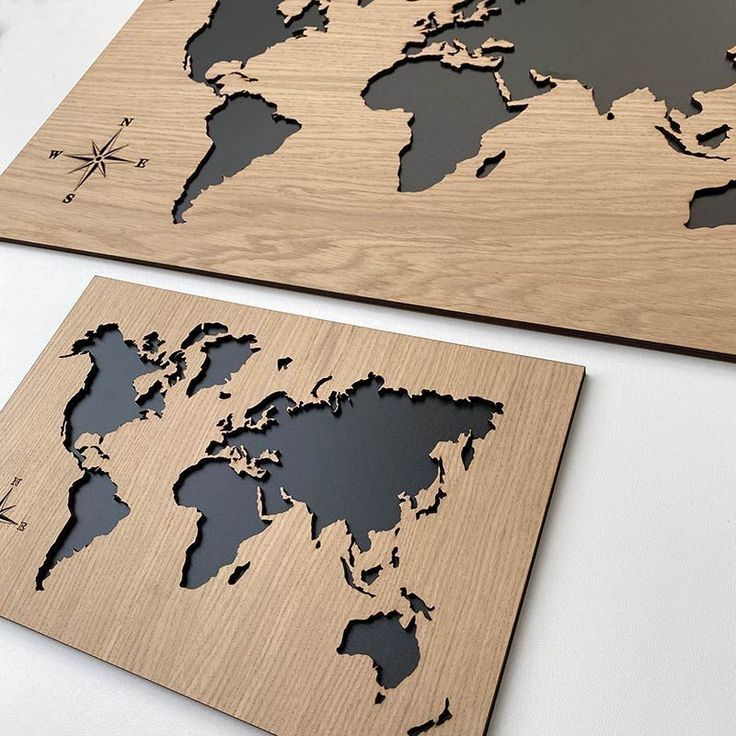
Signage and Display: CNC routing dominates—large format, sheet processing, and material range (wood, plastic, ACP) align with router strengths. Milling unnecessary unless precision metal components required.
Furniture Manufacturing: Routing primary technology for component cutting, joinery, and profiling. Milling serves specialized hardware installation, metal fittings, and precision mechanical elements within furniture systems.
Architectural Components: Large panel processing favors routing for sheet goods. Milling provides precision for metal hardware, structural connectors, and detailed metalwork elements.
Product Prototyping: Selection depends on prototype materials and precision requirements. Plastic and wood prototypes route efficiently; metal prototypes requiring functional testing may need milling.
Industrial Manufacturing: Mechanical components, tooling, and metal parts require milling capability. Production machining of metal components economically justifies mill investment or specialized machining services.
Mold and Tool Making: Split between technologies—large molds (foam, wood, composite) route efficiently; precision metal tooling requires milling. Many shops operate both for comprehensive mold-making capability.
Operational Considerations
Programming and CAM: Both technologies utilize similar CAD/CAM workflows—design in CAD, toolpath in CAM, post-process to machine code. CAM strategies differ—routers emphasize high-speed machining (HSM) strategies for efficiency; mills utilize diverse approaches from high-speed to heavy roughing. Operator skills partially transferable, though material-specific knowledge essential.
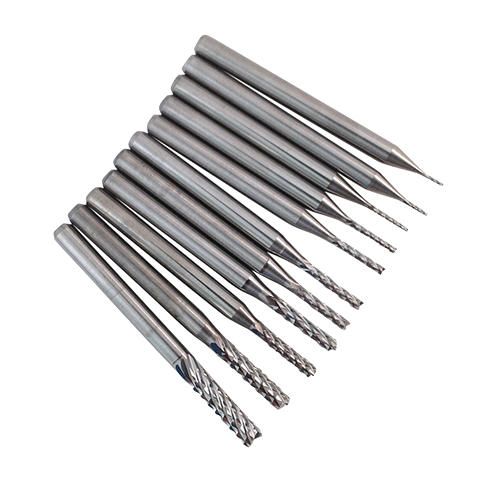
Tooling Systems: Routers typically use ISO30 or HSK63F tool holders emphasizing quick change for variety. Mills use BT40, CAT40, or HSK63A holders prioritizing rigidity and precision. Tooling investment differs accordingly. Both utilize carbide cutting tools, though geometries optimize for respective applications.
Workholding: Routers rely heavily on vacuum tables for sheet goods, enabling rapid loading and unloading. Mills utilize vises, fixtures, and clamps providing rigid holding for heavy cutting. Workholding design significantly affects capability and efficiency for both.
Maintenance and Operation: Routers generally simpler maintenance—spindle service, guide lubrication, dust management. Mills require more sophisticated maintenance—coolant systems, way lubrication, precision calibration. Operating costs reflect complexity and application severity.
Hybrid Machines and Capability Expansion
Modern machine design blurs traditional categories. "Router-style" mills offer large work envelopes with metal-cutting capability. Heavy-duty routers approach mill rigidity for specific applications. 5-axis machining centers span categories with versatile capability.
For Kenyan manufacturing, the practical distinction often reduces to: "Can this provider handle my material and precision requirements?" rather than strict technology categorization. Capable providers specify machine tools and demonstrated capabilities; less sophisticated operations may misrepresent routing as milling or vice versa.
Luna Graphics operates industrial CNC routing capabilities optimized for wood, plastics, aluminum, and composite materials. For requirements beyond our routing capacity—ferrous metals, heavy plate, ultra-precision mechanical components—we partner with specialized milling operations ensuring comprehensive client service. Contact our engineering team to discuss your specific requirements and receive appropriate technology recommendations.
Written by Ian Love
Marketing Director
Professional contributor at Luna Graphics specializing in printing and branding solutions.