
The Dominance of Wood in CNC Cutting
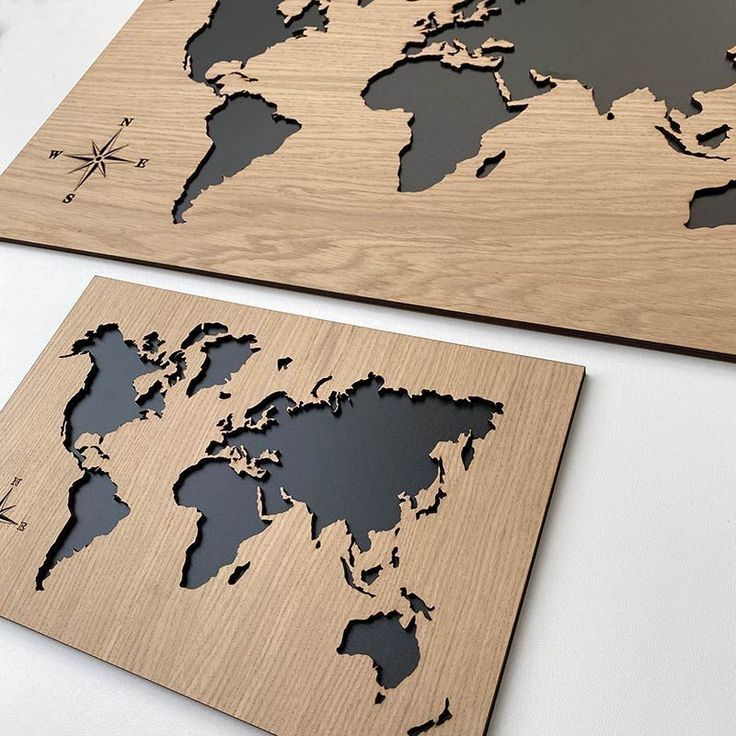
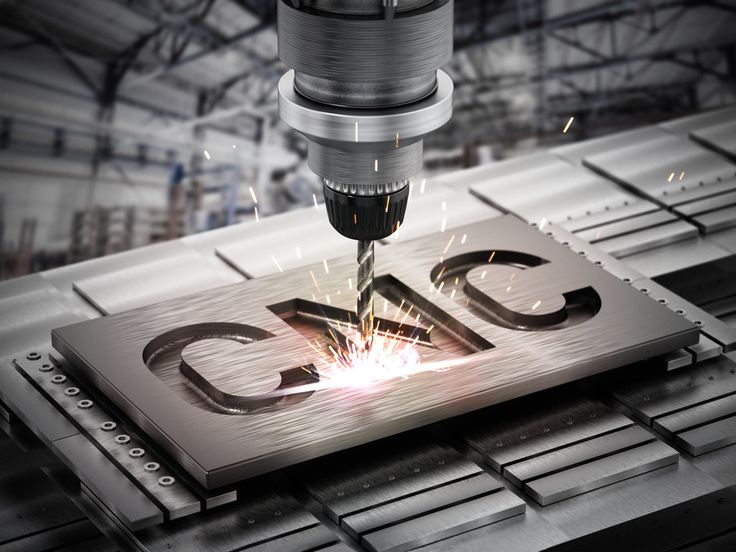
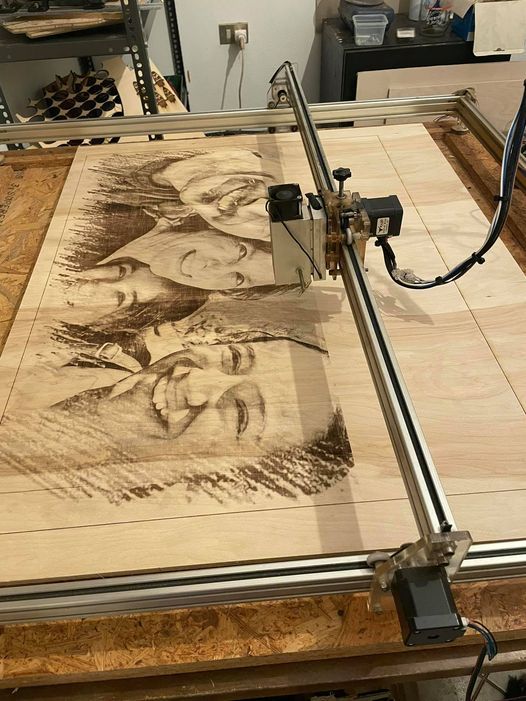
Wood and wood-based materials constitute the largest volume of CNC cutting applications globally and within Kenya, reflecting material availability, cost-effectiveness, and aesthetic versatility. CNC technology transforms woodworking from craft-dependent manual processes to precision manufacturing, enabling complex geometries, consistent replication, and efficient material utilization impossible with traditional tools. Understanding wood-specific CNC cutting optimizes outcomes across furniture, construction, signage, and decorative applications.
The material category encompasses diverse substrates—solid hardwoods, softwoods, engineered panels (MDF, plywood, particleboard), and specialty products—each with distinct cutting characteristics and optimal applications. CNC cutting unifies processing of these varied materials through adjustable parameters, though material-specific knowledge ensures quality outcomes.
Kenyan wood CNC cutting serves robust construction and furniture sectors, growing interior fit-out market, and expanding architectural applications. Local hardwood species (mvule, mahogany, teak) combine with imported species and engineered panels in diverse projects from residential furniture to commercial interiors.
MDF: The Workhorse Material
Medium Density Fiberboard dominates CNC cutting applications due to unique combination of properties: uniform density eliminating grain direction concerns, excellent dimensional stability, smooth surface accepting finishes beautifully, and economical pricing. MDF consists of wood fibers bonded with resin under heat and pressure, creating isotropic material behaving predictably in all cutting directions.
Standard MDF (density 650-750 kg/m³) machines effortlessly with high cutting speeds (15-25 meters/minute) producing clean edges suitable for painting or laminating. The absence of grain structure prevents splintering and tear-out common in natural wood, enabling intricate detailing and fine features. Edge quality remains consistent regardless of cutting direction, simplifying programming and optimizing material yield through nesting flexibility.
Moisture-resistant MDF (MR-MDF, green color-coded core) incorporates moisture-resistant resin systems suitable for humid environments, kitchens, and bathrooms. While not waterproof, MR-MDF withstands occasional moisture exposure without swelling or degradation standard MDF would suffer. Cutting characteristics similar to standard MDF, though slightly harder on tooling.
High-density MDF (800-1000 kg/m³) offers improved surface hardness and edge durability for high-wear applications. Slower cutting speeds (12-20 m/min) required due to increased density, but superior performance in detailed work, sharp edges, and applications requiring screw-holding strength.
| MDF Type | Density | Best Applications | Cutting Notes |
|---|---|---|---|
| Standard Grade | 650-750 kg/m³ | General furniture, signage, paint-grade | Fast cutting, excellent machinability |
| Moisture Resistant | 700-800 kg/m³ | Kitchens, bathrooms, humid environments | Green core identification, similar cutting |
| High Density | 800-1000 kg/m³ | High-wear surfaces, detailed edges | Slower speeds, harder on tools |
| Fire Retardant | 700-850 kg/m³ | Public buildings, safety requirements | Abrasive, specialized tooling recommended |
| Ultralight | 400-550 kg/m³ | Large displays, weight-critical applications | Very fast cutting, fragile edges |
Solid Wood CNC Cutting
Natural wood introduces variables absent in engineered panels: grain direction, density variation, moisture content, and figure patterns. These characteristics require adjusted approaches but reward with unmatched aesthetic warmth and structural properties.
Grain Direction Management: Wood cuts differently with, against, and across grain. With-grain cutting (along grain direction) produces cleanest edges; against-grain risks splintering on exit side; cross-grain cuts across grain structure. CNC programming should optimize cutting direction for visible edges, and tooling selection (compression spirals, shear angles) mitigates grain effects.
Moisture Content: Wood movement with humidity changes affects dimensional stability. CNC cutting should occur at moisture content matching end-use environment (typically 8-12% for interior Kenyan applications). Cutting wet wood produces immediate clean results that distort as drying occurs; overly dry wood may be brittle.
Species Considerations: Kenyan hardwoods (mvule, meru oak, camphor) vary in density and cutting characteristics. Dense hardwoods (mvule, 800+ kg/m³) require slower feeds (8-15 m/min) and frequent tool sharpening; softer species (cypress, pine) cut faster but compress more easily. Interlocked or figured grain (common in exotic hardwoods) requires specialized tooling to prevent tear-out.
Tooling for Wood: Carbide-tipped or solid carbide tools essential for wood cutting volume. Spiral tools (upcut, downcut, compression) offer superior chip evacuation and edge quality compared to straight-flute routers. Upcut spirals clear chips efficiently but lift workpiece requiring secure hold-down; downcut spirals compress top surface preventing chip-out on laminated faces; compression spirals combine both actions for premium edge quality on both surfaces.
Plywood and Engineered Panels
Plywood construction—thin veneers bonded with grain directions alternating—creates stable, strong panels with attractive edge appearance when cut. CNC cutting plywood requires managing different characteristics of face veneers and core layers.
Face Quality: Hardwood-faced plywoods (birch, oak, meranti) machine beautifully with appropriate tooling. Sharp compression spirals prevent chip-out on face veneers. Cutting direction optimization reduces splintering on cross-grain cuts. Face veneer thickness (typically 0.5-1.0mm) affects cutting—thin veneers more susceptible to damage.
Core Considerations: Plywood cores vary from solid wood veneers to composite materials. MDF-core plywood offers exceptional stability and flatness; particleboard-core economical but heavier and less screw-holding; lumber-core provides screw-holding and edge solidity. Core materials affect cutting parameters and edge appearance.
Marine Plywood: Exterior-grade plywood with waterproof adhesive and durable face veneers. Essential for outdoor applications, wet environments, and structural exterior use. Cutting characteristics similar to interior hardwood plywood, though denser and more abrasive due to adhesive and preservative treatments.
Applications and Design Optimization
Furniture Manufacturing: CNC cutting transforms furniture production through component precision, complex joinery, and decorative profiling. Flat-pack furniture components cut with connection features (dowel holes, cam fittings, slot joints) enabling assembly without skilled labor. Curved and sculptural elements produced through 3D machining. Consistent replication supports production scaling.
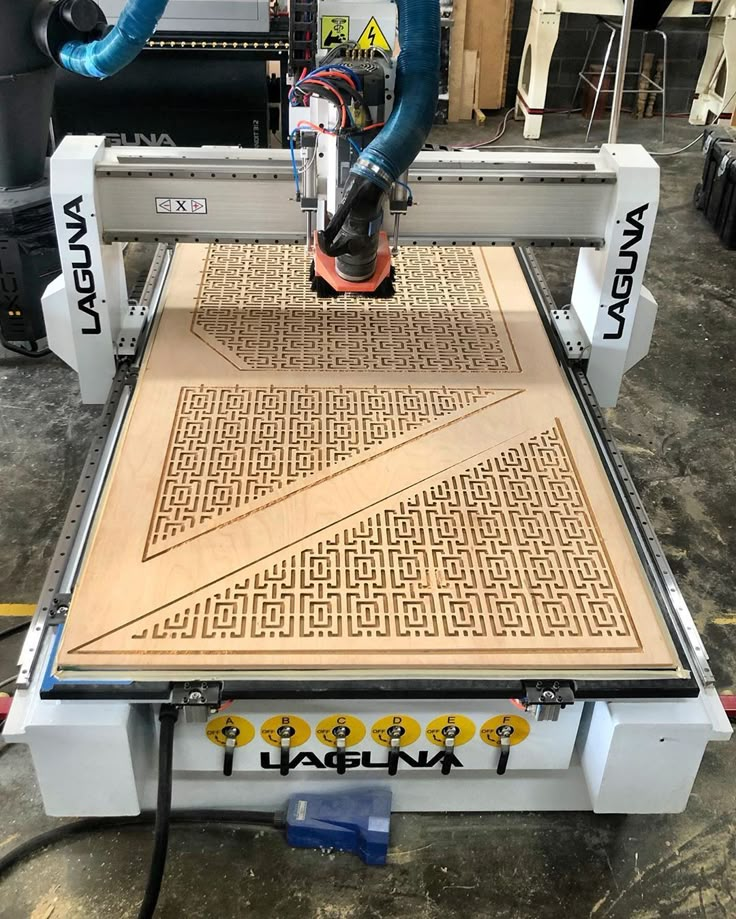
Architectural Interiors: Wall panels, ceiling features, column wraps, and decorative screens CNC cut from wood and MDF create sophisticated interior environments. Perforated patterns, relief textures, and curved forms execute precisely. Paint-grade MDF accepts any color scheme; wood veneers provide natural warmth; laminates offer durability.
Signage and Branding: Dimensional lettering, logo elements, and display structures commonly fabricated from MDF or wood. Painted finishes match brand colors exactly; wood provides organic aesthetic for appropriate brand positioning. Layered constructions create depth and shadow effects.
Joinery and Millwork: Custom doors, windows, moldings, and trim elements benefit from CNC precision. Complex profiles cut consistently without template fabrication. Custom sizing accommodates non-standard openings without premium pricing.
Finishing and Post-Processing
Wood and MDF CNC cut edges typically require finishing for professional appearance. MDF edges accept paint directly after light sanding; solid wood edges may need filling, staining, or sealing depending on species and application. Edge banding (PVC, wood veneer, or laser-edge) provides durable finished edges on visible components.
Surface finishing options include painting (spray, brush, roller), staining and clear coating (lacquer, varnish, oil), laminating (melamine, high-pressure laminate), and veneering. CNC-cut surfaces provide excellent substrate for all finishing methods due to flatness and consistency.
Luna Graphics specializes in wood and MDF CNC cutting for Kenya's furniture, construction, and creative industries. Our capabilities span simple profiling to complex 3D machining, with finishing services providing complete solutions. Contact our woodworking specialists to discuss your project requirements and discover how precision CNC cutting elevates your wood-based products.
Written by Ian Love
Marketing Director
Professional contributor at Luna Graphics specializing in printing and branding solutions.