
CNC Cutting in Modern Signage Manufacturing
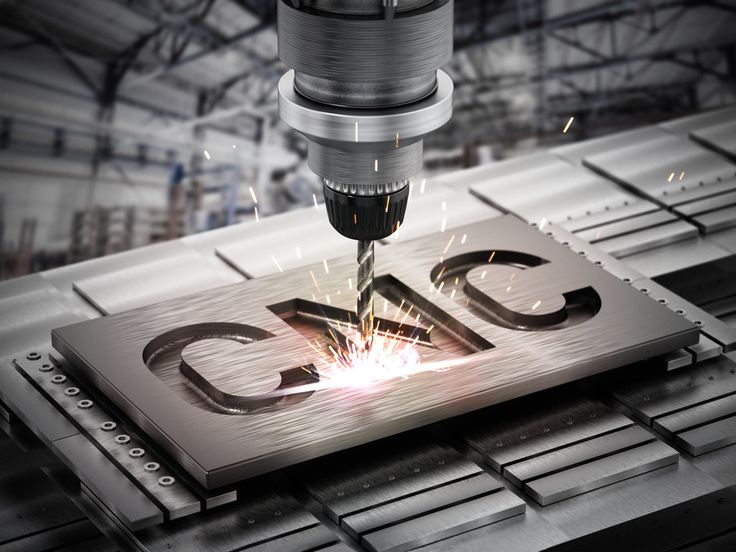
Signage production has transformed through CNC cutting technology, enabling dimensional precision, material versatility, and design complexity impossible with traditional sign-making methods. From simple flat-cut letters to elaborate channel letter constructions, CNC cutting provides the manufacturing foundation for contemporary signage across retail, corporate, architectural, and event applications.
The technology serves signage manufacturing at multiple levels: flat-cut letters and logos from various substrates; dimensional constructions with depth and lighting integration; routed substrates for applied graphics; and structural components for sign systems. Understanding CNC capabilities and applications enables designers and sign professionals to specify appropriate manufacturing methods.
Kenya's signage industry increasingly adopts CNC cutting as standard capability, with quality variation between basic flat-cutting operations and sophisticated full-service manufacturers. This guide examines signage-specific CNC applications, materials, and techniques.
Flat-Cut Signage Components
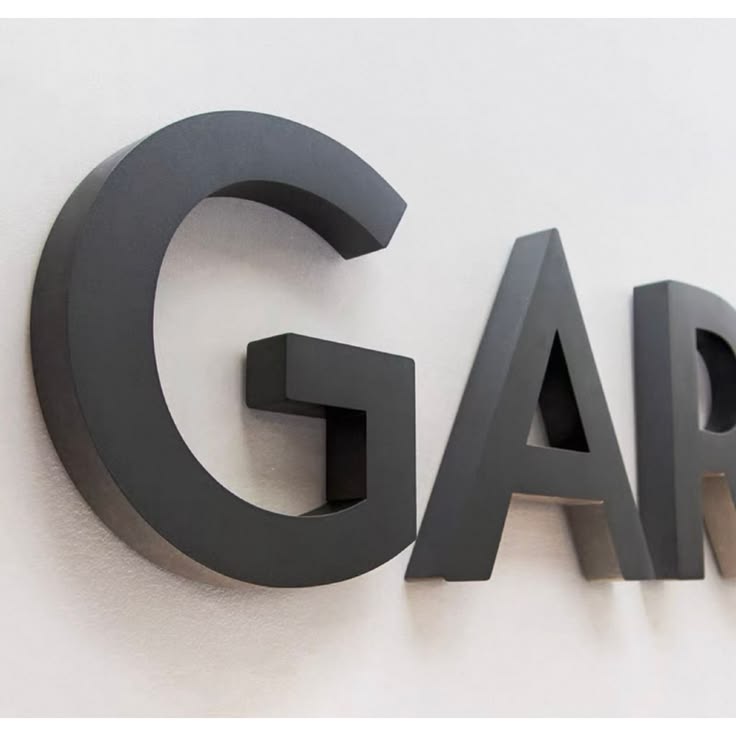
Dimensional Letters: CNC cutting produces individual letters and logos from solid materials—acrylic, wood, metal, foam—creating dimensional signage with depth and shadow. Material thickness determines letter depth; typical ranges 3-25mm depending on viewing distance and visual impact desired. Precision cutting ensures letterforms match design exactly, with smooth edges requiring minimal finishing.
Material Options for Flat-Cutting:
- Acrylic (cast or extruded): Transparent, translucent, or opaque colors; excellent weather resistance; self-polishing edges when laser cut, machine-polished when routed
- PVC Foam (Forex, Palight): Lightweight, economical, easy to cut; suitable for temporary or budget signage
- Aluminum Composite Panel (ACP): Rigid, weather-resistant, metallic appearance; foldable for tray constructions
- Solid Aluminum: Premium appearance, exceptional durability; requires more robust cutting capability
- Wood/MDF: Interior applications, organic aesthetic; requires sealing for durability
- High-Density Foam: Large dimensional letters lightweight for events/temporary use
| Material | Thickness Range | Best Applications | Edge Treatment | Durability |
|---|---|---|---|---|
| Acrylic (cast) | 3-25mm | Premium signage, illumination | Polished clear | Excellent |
| Acrylic (extruded) | 2-10mm | Economical dimensional | Polished or matte | Very good |
| PVC Foam | 3-19mm | Temporary, budget signs | Painted or raw | Moderate |
| ACP (3mm) | 3mm | Medium signage, cladding | Folded or edged | Excellent |
| ACP (6mm) | 6mm | Large letters, structural | Folded returns | Excellent |
| Solid Aluminum | 2-6mm | High-end, exterior | Deburred, painted | Exceptional |
Channel Letter Fabrication
Construction Methods: Channel letters—illuminated dimensional signage standard for retail—utilize CNC cutting at multiple stages:
Face Fabrication: Acrylic faces CNC cut to letter shape, with edges polished for light transmission. For trim-cap letters, faces cut slightly undersize to accommodate trim cap channel. For flush-mount LED letters, precise sizing ensures proper fit in aluminum returns.
Return Fabrication: Aluminum coil or flat stock cut and formed into letter returns (sides). CNC cutting creates bending patterns, notching for corners, and precise lengths. Automated channel letter benders form aluminum to match letter profiles; hand-forming follows CNC-cut patterns for custom shapes.
Back Fabrication: Aluminum composite or solid aluminum CNC cut for letter backs, with holes for LED mounting and wiring. Precision ensures proper assembly with returns and faces.
LED Integration: CNC cutting creates mounting features for LED modules—holes, slots, or standoffs—ensuring proper light spacing and thermal management. Wiring channels machined into backs or returns conceal electrical components.
Routed and Carved Signage
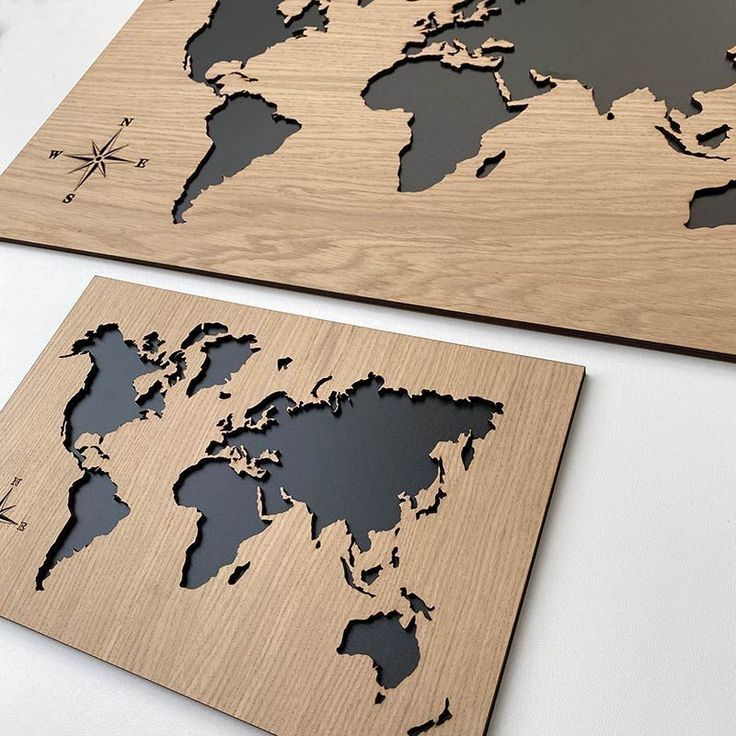
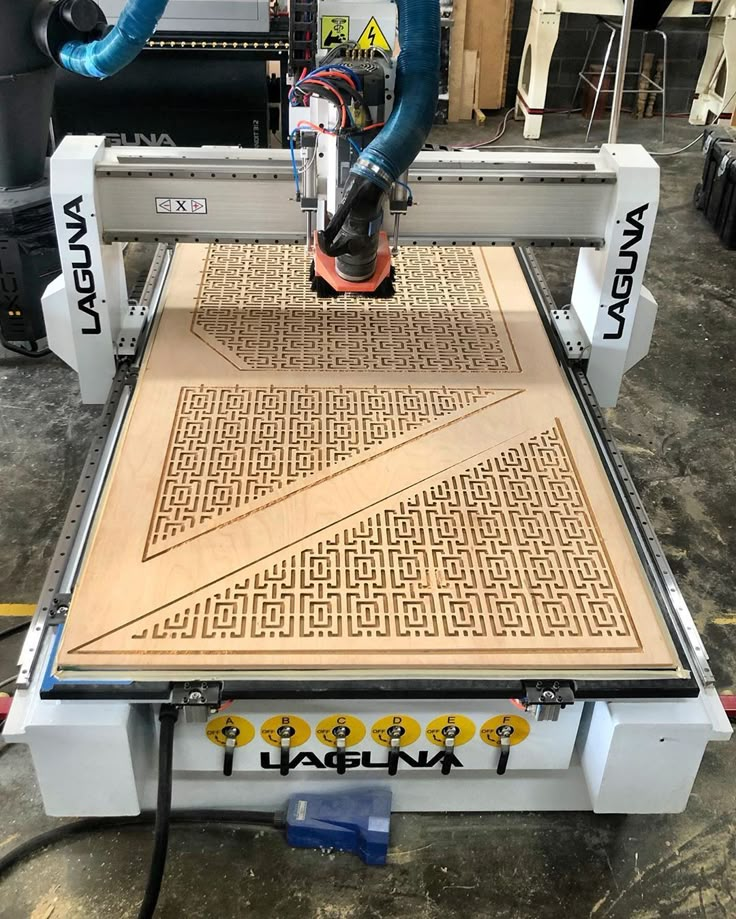
Substrate Routing: Sign blanks CNC routed with recessed areas for applied graphics, creating dimensional appearance without separate letter mounting. Common for wood or HDU (high-density urethane) signs with traditional carved appearance. V-carving or prismatic lettering creates angled letter sides catching light differently than flat surfaces.
HDU (High-Density Urethane): Synthetic sign foam carving substrate offering wood-like appearance with superior weather resistance and dimensional stability. CNC routed for dimensional lettering, textures (sandblasted simulation), and decorative elements. Accepts paint finishes; doesn't crack, warp, or rot like wood.
Prismatic and V-Carving: Specialized tooling creates angled letter sides with sharp top edges. V-bits carve channels with variable width based on depth, creating distinctive appearance popular for routed wood or HDU signs. Engraving bits create fine-line details and small text.
Sign Structure and Component Cutting
Framework Components: CNC cutting produces structural elements for sign mounting—brackets, frames, mounting plates—from aluminum or steel. Precision ensures proper assembly and alignment; slots and holes facilitate field installation.
Backlit and Push-Through Letters: Aluminum sign faces CNC cut with letter apertures; acrylic push-through elements fit precisely into openings with gasket or trim retention. CNC precision ensures proper fit and light sealing.
Wayfinding and ADA Signage: Tactile letters and braille require precision manufacturing meeting accessibility standards. CNC cutting creates raised text and braille dots (raster beads or integral machining) with consistent height and profile. Compliance with ADA (US) or local accessibility standards requires specific dimensional tolerances achievable through CNC.
Design Considerations for Signage CNC
Letter Size and Stroke Width: Minimum sizes ensure legibility and manufacturing capability:
- Minimum letter height: 75-100mm for exterior viewing (closer for interior)
- Minimum stroke width: 8-10mm for most materials (thinner possible in acrylic with care)
- Minimum interior counters (holes in letters like A, O, R): 10-15mm diameter
Font Selection: Avoid overly thin or ornate fonts for dimensional signage—manufacturing challenges and durability concerns. Sans-serif fonts generally perform better than serifs at small sizes. Bold weights provide material thickness for structural integrity.
Mounting and Installation: Design mounting features during CNC programming—stud holes, keyholes, or mounting blocks integrated into letter backs. Consider installation access and hardware concealment. Large letters require multiple mounting points preventing sag or wind damage.
Illumination Integration: For lighted signs, design LED mounting locations, wire channels, and power supply accommodation. Thermal management critical—LEDs generate heat requiring dissipation in enclosed letter constructions.
Finishing and Assembly
Surface Preparation: CNC-cut sign components require cleaning, edge treatment, and surface preparation before finishing. Acrylic edges polished for clarity; metals deburred and cleaned; wood sanded and sealed.
Coating Systems: Exterior signage requires durable coatings—automotive paints, powder coating, or specialized sign paints. Color matching to brand standards; multiple coats with proper cure times ensure durability.
Assembly: Channel letter assembly joins faces, returns, and backs with specialized techniques—trim cap application, welding, or adhesive bonding. Quality assembly ensures weather sealing and structural integrity.
Luna Graphics provides comprehensive signage CNC cutting services from flat-cut letters to complex channel letter components. Our manufacturing capabilities support sign companies, designers, and end-users with precision components and assembly services. Contact our signage specialists to discuss your project requirements and discover professional sign manufacturing solutions.
Written by Ian Love
Marketing Director
Professional contributor at Luna Graphics specializing in printing and branding solutions.