
Plywood: The Engineered Wood Advantage
Plywood represents one of humanity's oldest engineered materials, with modern CNC cutting technology unlocking new potential for this versatile substrate. Cross-laminated veneer construction provides dimensional stability, strength, and aesthetic appeal unavailable in solid wood or reconstituted panels. CNC cutting precision maximizes plywood advantages, enabling sophisticated furniture and interior applications combining structural performance with design flexibility.
The material's engineered consistency suits digital manufacturing perfectly. Unlike solid wood with grain variations and defects, plywood offers predictable behavior enabling reliable programming and consistent outcomes. This predictability, combined with attractive edge appearance revealing layered construction, makes plywood particularly suitable for contemporary furniture and architectural applications where material honesty and technical precision align aesthetically.
Kenyan plywood availability spans construction grades to premium hardwood-faced varieties, with local manufacturing and importation providing diverse options. CNC cutting services process plywood extensively for furniture manufacturers, interior contractors, and architectural projects seeking the material's unique combination of properties.
Plywood Types and CNC Suitability
Birch Plywood: Premium Baltic birch (often Russian or European origin) represents the gold standard for CNC-cut plywood. Uniform light color, minimal voids, and high-quality face veneers enable exposed-edge designs where layered construction becomes aesthetic feature. Density approximately 600-750 kg/m³ machines cleanly with sharp tooling. Thickness typically 3mm to 24mm in standard sheets (1525mm x 1525mm or 2440mm x 1220mm). Ideal for furniture, high-end interiors, and visible applications.
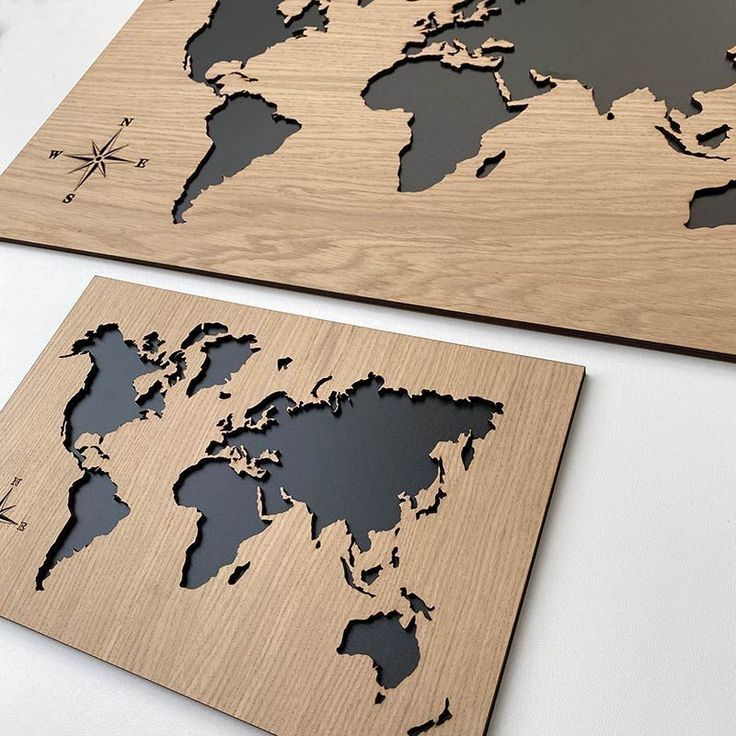
Hardwood Plywood: Various hardwood species (oak, meranti, teak) faced on composite or veneer cores. Face veneers provide premium appearance at solid wood fraction cost. Cutting characteristics vary by face hardness; generally machines well with appropriate tooling. Core construction affects edge appearance—MDF-core provides cleanest edges, veneer-core shows traditional plywood edge. Applications include cabinetry, architectural millwork, and furniture.
Marine Plywood: Exterior-grade product with waterproof adhesive (phenol formaldehyde or melamine) and durable face veneers. Essential for outdoor furniture, bathroom applications, and structural exterior use. Cutting slightly more abrasive than interior grades due to adhesive and preservative treatments. Edge sealing required for exterior applications to prevent moisture ingress into core.
Construction Plywood: Lower grades (CDX, structural) with permitted defects and lower-quality faces. Generally unsuitable for visible CNC applications but appropriate for structural components, formwork, and paint-grade applications where surface perfection unnecessary. Economical pricing suits large-scale structural cutting.
| Plywood Type | Face Quality | Core Type | Best CNC Applications | Edge Appearance |
|---|---|---|---|---|
| Birch (Baltic) | Excellent, uniform | Birch veneer | Furniture, visible interiors | Attractive, minimal voids |
| Oak Faced | Premium hardwood | MDF or veneer | Cabinetry, millwork | Decorative hardwood edge |
| Marine Grade | Durable, void-free | Okoume or hardwood | Exterior, wet environments | Sealed, weather-resistant |
| Melamine Faced | Pre-finished | Particleboard or MDF | Cabinetry, shopfitting | Band or edge-seal required |
| Flexible Plywood | Acceptable | Special construction | Curved forms, bending | Variable, depends on bending |
CNC Cutting Techniques for Plywood
Tooling Selection: Compression spiral bits essential for clean plywood cutting, particularly on laminated or faced products. These tools combine upcut and downcut geometry—bottom portion cuts upward clearing chips while top portion cuts downward shearing face veneer cleanly. Standard upcut tools lift face veneers causing chip-out; downcut tools compress top surface but clear chips poorly. Compression tools require full engagement (cutting depth exceeding transition point) for optimal performance.
Cutting Parameters: Birch plywood cuts optimally at 15-22 meters/minute with spindle speeds 18,000-24,000 RPM for 6mm tools. Feed rates adjust for thickness—thicker material requires slower feeds to manage chip load. Chip evacuation critical; vacuum systems and compressed air assist prevent re-cutting chips that degrade edge quality. Shallow passes (3-6mm per pass) improve quality in thick material over single deep cuts.
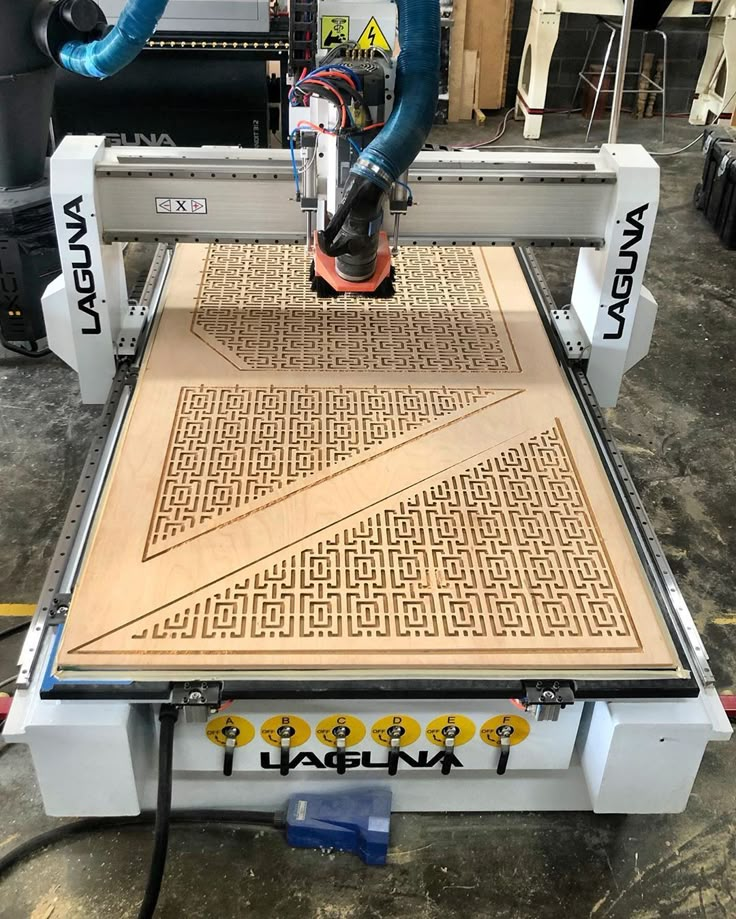
Tabbing and Holding: Plywood parts require secure workholding during cutting. Vacuum tables effective for large panels; smaller parts may require tabs—small uncut sections holding parts in sheet during cutting, removed after completion. Tab placement avoids visible surfaces and considers part removal convenience. Alternative holding methods include screw fixtures for heavy cutting or double-sided tape for delicate parts.
Grain Direction Consideration: While plywood's cross-laminated construction reduces grain effects compared to solid wood, face veneer grain direction still affects cut quality. Programming cutting direction to follow face grain where possible improves edge appearance on visible parts. This consideration less critical on paint-grade or edge-banded applications.
Furniture Applications
Flat-Pack and Knock-Down Furniture: CNC cutting enables sophisticated flat-pack designs with precision joinery. Interlocking tab-and-slot connections, cam fittings, dowel holes, and screw pockets cut accurately for assembly without skilled labor. Design optimization minimizes hardware while maximizing structural integrity. Birch plywood particularly suitable for visible-edge Scandinavian-style furniture.
Chair and Seating Components: Plywood's bendability (in thin grades) and machining precision enable ergonomic seating components. CNC-cut forms serve as bending molds; structural elements profile-cut from thicker stock; laminated constructions built up from CNC-cut layers. Contemporary plywood furniture design exploits these capabilities extensively.
Storage and Cabinet Systems: Modular storage components—shelves, dividers, drawer parts—benefit from CNC precision ensuring square corners, consistent sizing, and proper fit. Dado joints, rabbets, and grooves for shelf adjustment cut accurately. System holes for adjustable shelving drill precisely enabling hardware installation.
Table and Desk Surfaces: Large plywood panels CNC cut to precise dimensions with edge profiles (chamfers, radii, decorative ogees) adding refinement. Multiple sheets joined with biscuits or splines cut by CNC create expansive surfaces. Cable management features, monitor mounts, and accessory integration machined precisely.
Interior and Architectural Applications
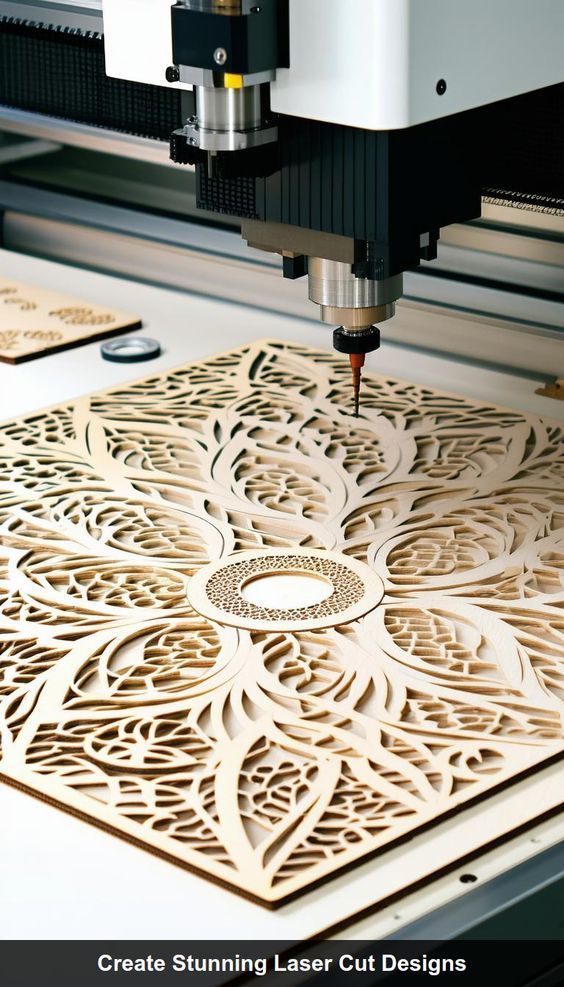
Wall Panel Systems: Decorative wall panels CNC cut with perforation patterns, relief textures, or shaped edges create architectural interest. Acoustic panels incorporate patterned holes or slots managing sound reflection. Panel systems mount with hidden fasteners or integrated hanging features machined into back surfaces.
Ceiling Features: Suspended ceiling elements, baffles, and acoustic treatments fabricated from plywood combine structural lightness with design flexibility. CNC cutting creates connection features, lighting integration holes, and decorative profiling. Fire-rated treatments may be required for commercial installations.
Retail and Commercial Interiors: Shopfitting elements—display units, counters, shelving—benefit from plywood's durability and machinability. CNC cutting produces consistent components for multiple locations, with knock-down designs enabling transport and site assembly. Integrated features (cable channels, lighting pockets, signage mounts) machined precisely.
Architectural Joinery: Custom doors, feature walls, and built-in furniture CNC cut from plywood provide cost-effective alternatives to solid wood millwork. Stability advantages prevent warping and cracking common in solid wood large panels. Laminated faces provide premium appearance with plywood core economy.
Edge Treatment and Finishing
Exposed plywood edges reveal attractive layered construction when finished properly. Edge sanding through progressive grits (120 to 320) prepares surfaces for clear finish. Oil, varnish, or lacquer enhances natural color and protects against moisture. Edge banding (wood veneer, PVC, or ABS) provides durable finished edges where layered appearance undesired or for high-wear applications.
Surface finishing options include clear coatings showcasing wood grain, paints providing color consistency, and laminates adding durability. CNC-cut surfaces provide excellent substrate preparation—flat, consistent, and free of defects. Pre-finished plywoods (UV-coated, melamine-faced) reduce finishing labor but require careful cutting to prevent chip-out on visible edges.
Luna Graphics processes extensive plywood volumes for Kenya's furniture and interior industries, from simple profiling to complex 3D components. Our material sourcing ensures quality substrates, while our cutting expertise maximizes plywood's unique advantages. Contact our team to discuss your plywood CNC cutting requirements and discover engineered wood solutions for your projects.

Written by Ian Love
Marketing Director
Professional contributor at Luna Graphics specializing in printing and branding solutions.