
Extending CNC Cutting Outdoors
Outdoor installations—architectural features, public art, wayfinding systems, and landscape elements—demand durability, weather resistance, and structural integrity beyond interior applications. CNC cutting serves outdoor fabrication with appropriate material selection, protective finishes, and engineering consideration. The technology enables complex exterior elements with precision ensuring long-term performance and visual integrity.
Outdoor applications present unique challenges: UV degradation, moisture exposure, temperature extremes, wind loading, and biological growth. CNC-cut elements must address these factors through material specification, protective treatments, and design accommodation. Success requires understanding environmental exposure and appropriate response.
This guide examines outdoor-specific CNC applications, material systems, and technical strategies for durable exterior installations.
Weather-Resistant Materials
Metals: Aluminum, stainless steel, and weathering steel (Corten) dominate outdoor CNC applications due to durability and weather resistance.
- Aluminum: Lightweight, corrosion-resistant, readily CNC-cut. Anodizing or powder coating enhances appearance and durability. 5000 and 6000 series alloys preferred for architectural applications.
- Stainless Steel: Superior corrosion resistance for coastal or aggressive environments. 304 grade standard; 316 for marine exposure. Brushed, polished, or bead-blasted finishes. Higher cost justified by longevity.
- Weathering Steel (Corten): Low-alloy steel developing protective rust patina. Distinctive orange-brown appearance; no painting required; stable surface prevents further corrosion. Run-off staining requires management.
Engineered Wood: Modified wood products resist moisture and decay without toxic treatments.
- Accoya: Acetylated wood with exceptional durability (Class 1) and dimensional stability. CNC machines well; accepts finishes; 50-year above-ground warranty.
- Thermally Modified Wood: Heat-treated wood with improved decay resistance. Darkened color; reduced moisture movement; environmentally friendly process.
- Kebony: Furfurylated wood with hardwood durability from softwood starting material. Dark, rich appearance; suitable for decking, cladding, and details.
| Material | Durability | Maintenance | Best Applications | CNC Considerations |
|---|---|---|---|---|
| Aluminum (anodized) | Excellent | Minimal | Signage, screens, panels | Standard cutting, edge treatment |
| Stainless steel | Exceptional | Minimal | Coastal, premium | Slower cutting, tooling wear |
| Corten steel | Excellent | None (after patina) | Artistic, architectural | Initial rust runoff, weight |
| HDPE (plastic lumber) | Excellent | None | Furniture, signage | Standard cutting, thermal |
| Marine plywood | Good | Regular finishing | Temporary, budget | Edge sealing critical |
| Accoya wood | Excellent | Optional finishing | High-end exterior | Standard woodworking |
| Compact laminate | Excellent | Minimal | Signage, panels | Abrasive, specialized tooling |
Structural and Engineering Considerations
Wind Loading: Outdoor elements, particularly screens and panels, experience wind forces requiring structural analysis. Perforation patterns affect wind resistance; solid panels require robust mounting; engineering calculations ensure stability in design wind speeds.
Foundation and Mounting: Secure attachment to ground or structure essential for safety and longevity. Concrete foundations for freestanding elements; structural connections to buildings; anchoring systems resisting uplift and overturning. CNC-cut elements designed with appropriate mounting features.
Expansion and Contraction: Temperature variation causes material movement. Design accommodates expansion through slotted connections, flexible mounting, or appropriate gaps. Aluminum expands significantly; composites less so; metals and wood require different accommodation.
Drainage and Moisture Management: Water trapping accelerates deterioration. Design slopes for drainage; avoid water pockets; ensure ventilation behind panels; specify appropriate flashing and weather sealing.
Protective Finishes and Treatments
Metal Finishes: Anodizing (aluminum) creates hard, corrosion-resistant oxide layer integral to metal. Powder coating provides durable, colorfast finish in wide color range. PVDF coatings (Kynar) offer premium durability for architectural applications. Clear coats protect polished metals.
Wood Protection: Exterior wood requires finishing for appearance and longevity. Penetrating oils (annual reapplication); film finishes (varnish, paint) with maintenance schedules; or left to weather naturally (appropriate species only). End grain sealing critical for moisture resistance.
UV Resistance: Plastics and coatings degrade under UV exposure. UV-stable materials (UV-HDPE, UV-acrylic) specified for outdoor use; UV inhibitors in coatings; appropriate color selection (darker colors absorb more heat, affecting material stability).
Specific Outdoor Applications
Public Art and Sculpture: Outdoor art installations utilize CNC cutting for precision and material efficiency. Weathering steel popular for its natural finish; aluminum for light weight and color options; stainless steel for permanence. Engineering for public safety; vandalism resistance; maintenance access.
Wayfinding and Signage: Exterior wayfinding requires durability and legibility over years. Monument signs, directional signage, and interpretive elements CNC-cut from appropriate materials with weather-resistant graphics. Illumination considerations for nighttime visibility.
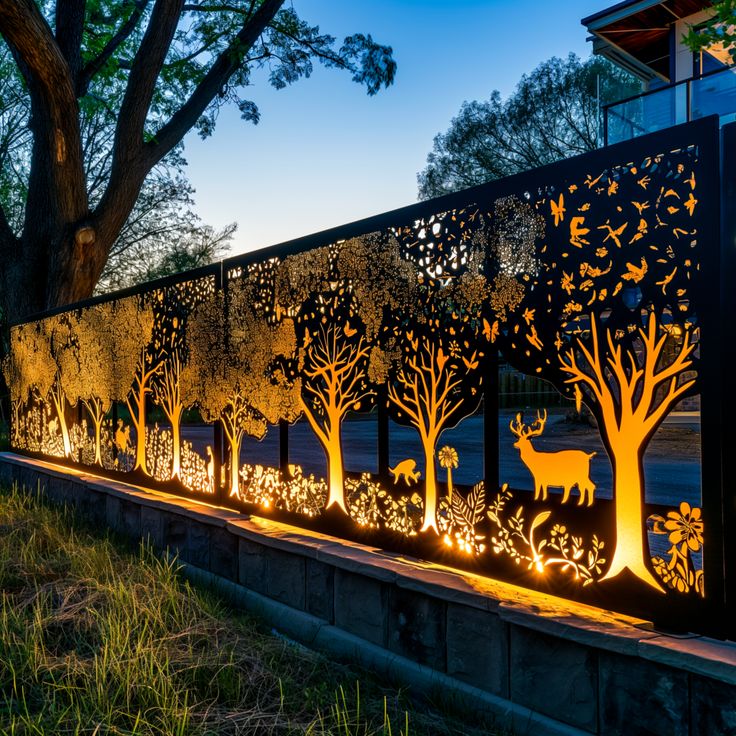
Architectural Screens: Solar shading, privacy screens, and facade treatments utilize CNC-cut patterns managing light and view while creating visual interest. Material thickness and pattern density engineered for structural performance and environmental function.
Site Furniture: Benches, tables, planters, and bike racks CNC-cut for public spaces. Ergonomic design; vandal resistance; maintenance minimization; and aesthetic contribution to landscape.
Playground Equipment: CNC cutting creates custom play structures, panels, and features. Safety standards compliance; material non-toxicity; durability under heavy use; and imaginative design encouraging play.
Installation and Maintenance
Professional Installation: Outdoor installations require experienced contractors understanding structural requirements, foundation work, and weatherproofing. Coordination with civil engineers for foundations; structural engineers for large elements; and landscape architects for site integration.
Maintenance Planning: Even low-maintenance materials require periodic inspection and care. Maintenance manuals specifying inspection intervals, cleaning methods, and touch-up procedures; warranty requirements; and long-term appearance expectations.
Access for Service: Design lighting, irrigation, or other serviced elements with maintenance access. Removable panels; accessible connections; and adequate working space for technicians.
Luna Graphics fabricates outdoor installations with appropriate material specification, protective finishing, and structural consideration. Our projects withstand Kenyan climate conditions while maintaining aesthetic integrity. Contact our exterior specialists to discuss your outdoor installation requirements.
Written by Ian Love
Marketing Director
Professional contributor at Luna Graphics specializing in printing and branding solutions.