
The Mass Customization Paradigm
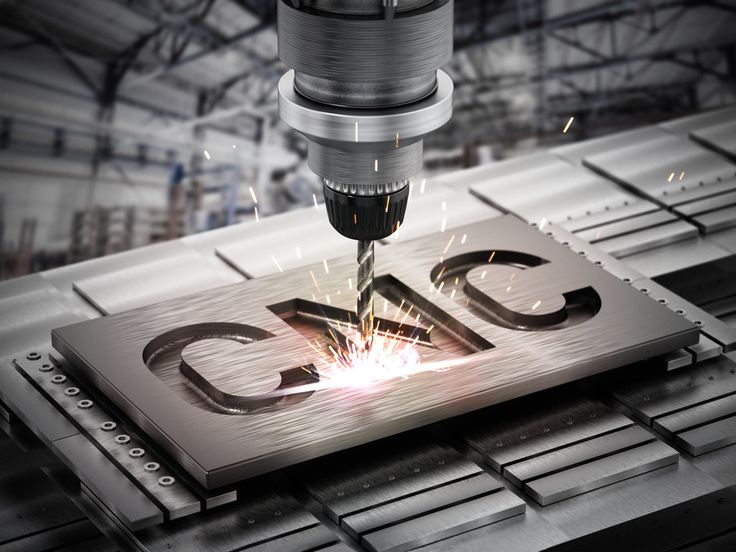
Mass customization—producing goods meeting individual customer needs with near-mass-production efficiency—represents a fundamental shift in manufacturing economics. CNC cutting serves as enabling technology for this shift, providing the flexibility to vary each unit without tooling changeover or setup penalties. Unlike traditional manufacturing requiring dedicated tooling for each variation, CNC cutting modifies product through software instruction alone.
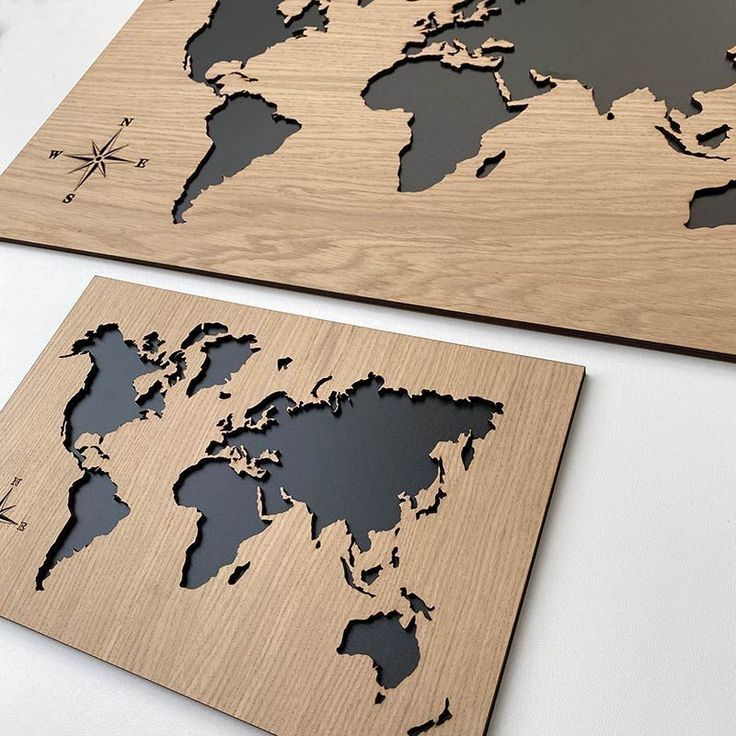
This capability transforms business models across industries: furniture customized to customer space and taste; signage adapted to specific sites; architectural elements fitted to unique buildings; and consumer products personalized for individual users. The economic threshold for customization drops dramatically, making viable markets previously served only by expensive bespoke production.
This guide examines CNC cutting's role in mass customization, implementation strategies, and business model implications.
Technology Enablers of Mass Customization
Digital Design Flexibility: Parametric design systems automatically adjust product dimensions, features, or configurations based on customer input. Customer specifies parameters (size, options, personalization); design software generates production files; and CNC cutting executes unique product without manual programming.
No Tooling Changeover: Traditional manufacturing requires physical tooling changes (dies, molds, fixtures) for product variation, incurring time and cost penalties. CNC cutting requires only file loading—parameter variation incurs no setup penalty, enabling economic lot sizes of one.
Consistent Quality: Automated execution ensures each customized unit meets quality standards regardless of variation. Manual customization introduces variability; CNC precision maintains consistency across unique products.
| Manufacturing Approach | Setup Cost | Unit Cost | Customization Cost | Minimum Volume |
|---|---|---|---|---|
| Mass production | High (tooling) | Low | Very high (new tooling) | High |
| Job shop/custom | Low | High (labor) | Moderate (labor) | One |
| CNC mass customization | Very low (digital) | Moderate | Very low (digital) | One |
Implementation Strategies
Parametric Product Platforms: Design product families with variable parameters within fixed architecture. Base design accommodates variation; constraints ensure manufacturability and function; and customer-facing configurators collect parameters.
Examples: Cabinet system with variable width, height, and configuration; signage with customizable text and size; furniture with dimensional adaptation.
Modular Customization: Standard components combined in custom configurations. CNC-cut modules inventory; customer selects combination; assembly creates unique product. Balances customization against manufacturing efficiency.
Examples: Modular shelving systems; configurable signage; partition systems with variable panel arrangement.
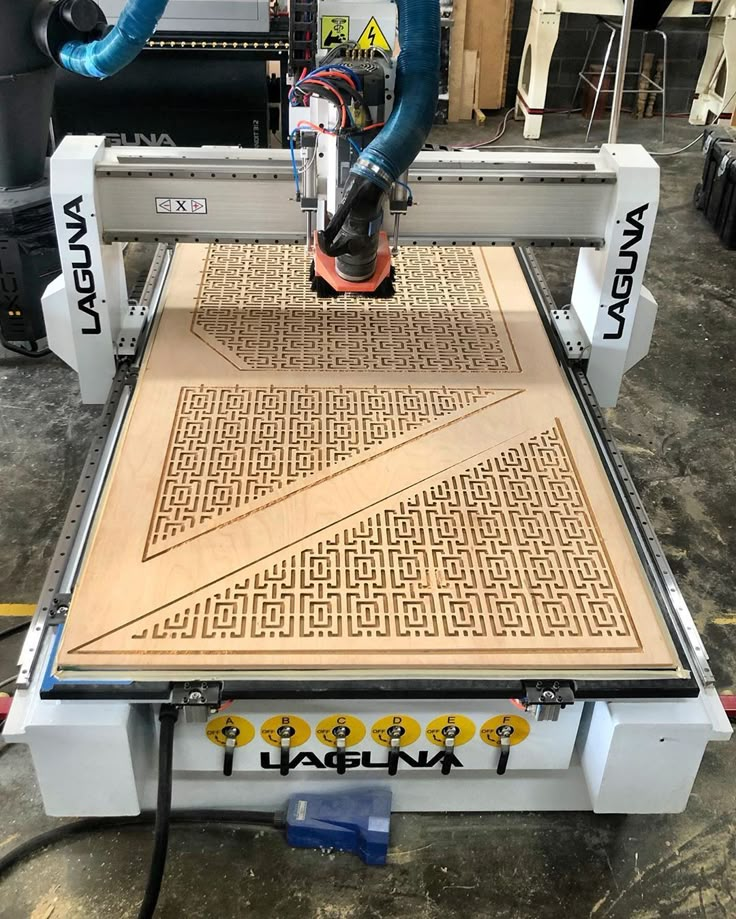
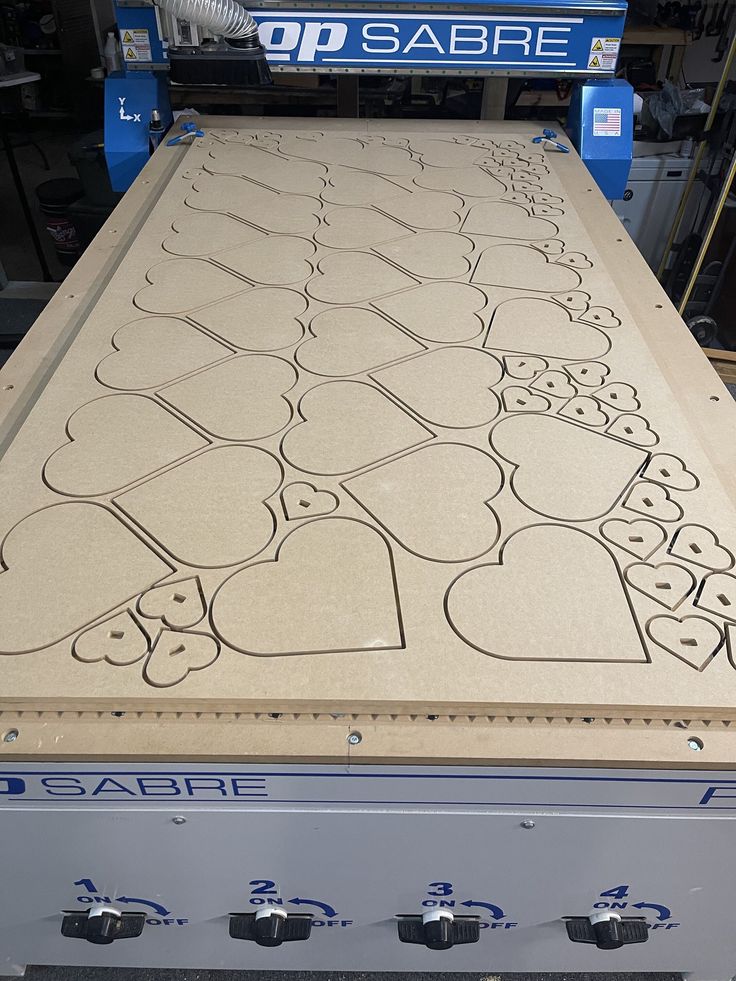
Adaptive Nesting: Custom-sized components nested efficiently on standard materials. Nesting software optimizes each unique cutting pattern; material yield maintained despite variation; and production efficiency comparable to standard products.
Automated Workflow: Integration from customer input through production. Online configurators capture specifications; ERP systems generate production orders; CAM systems create toolpaths; CNC machines execute cutting; and tracking maintains order visibility.
Industry Applications
Custom Furniture: Customers specify dimensions, configurations, finishes, and features. CNC cutting produces precisely fitted components; modular construction enables flat-pack shipping; and assembly by customer or installer.
Business model: Online configuration with visualization; pricing automatic from parameters; production triggered by order; delivery direct to customer.
Architectural Elements: Site-specific panels, screens, and features fitted to unique building conditions. CNC cutting adapts to field dimensions; precise fit reduces installation labor; and design variation accommodates aesthetic preferences.
Business model: Template measurement or customer specification; design approval before production; just-in-time delivery coordinated with construction schedule.
Personalized Products: Consumer goods with individual names, messages, or graphics. CNC cutting engraves or cuts personalization; production batch size one economically viable; and premium pricing justified by uniqueness.
Business model: E-commerce integration; automated file generation from customer input; rapid production and fulfillment; and gift market positioning.
Replacement Parts: Obsolete or custom replacement parts produced on demand. Digital archiving of designs; production triggered by order; no inventory carrying cost; and extended product support.
Operational Considerations
Design for Customization: Products must be designed for variation from inception. Constraints ensuring manufacturability; parameter limits preventing impractical combinations; and aesthetic coherence across variation range.
Quality Assurance: Unique products require verification without comparison to standard. Automated inspection; customer approval of digital preview; and clear acceptance criteria.
Customer Communication: Managing expectations for custom products. Visualization tools showing final appearance; clear delivery timelines; and update protocols during production.
Returns and Rework: Custom products cannot be restocked. Design validation preventing errors; customer confirmation of specifications; and insurance or acceptance of rework cost for customer errors.
Economic Advantages
Inventory Reduction: Produce to order rather than forecasting demand. No finished goods inventory; raw material only; and reduced obsolescence risk.
Price Premium: Customization commands price premium over standard products. Customers pay for fit, personalization, and uniqueness; premium pricing improves margins; and market segmentation captures value.
Market Expansion: Serve segments previously uneconomic. Niche markets viable at low volume; long-tail product range; and customer co-creation increasing engagement.
Waste Reduction: Exact sizing reduces material waste compared to standard sizes trimmed to fit. Optimized nesting; right-sized components; and reduced site modification.
Challenges and Mitigation
Complexity Management: Infinite variation creates operational complexity. Product configuration rules limiting impractical combinations; automated workflow reducing manual intervention; and clear visualization preventing customer confusion.
Production Scheduling: Variable cutting times complicate scheduling. Capacity planning based on parametric estimates; flexible workforce; and buffer capacity for peak demand.
Skill Requirements: Mass customization requires both technical and customer-facing capabilities. Cross-trained staff; clear escalation paths; and technology supporting non-expert configuration.
Luna Graphics enables mass customization for clients across furniture, signage, and architectural markets. Our parametric design capabilities, automated workflow, and flexible production systems support customization at scale. Contact our business development team to explore mass customization opportunities for your products.
Written by Ian Love
Marketing Director
Professional contributor at Luna Graphics specializing in printing and branding solutions.