
CNC Revolution in Furniture Manufacturing
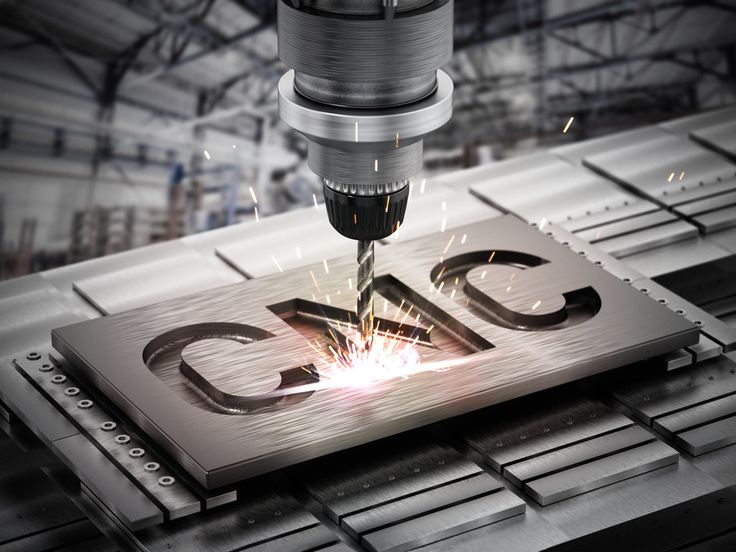
Furniture manufacturing has undergone fundamental transformation through CNC cutting adoption, replacing labor-intensive manual methods with precision automation. From component cutting to complex joinery, decorative profiling to scalable production, CNC technology enables furniture quality and consistency previously achievable only through master craftsmanship, now available at production scale.
The technology serves furniture manufacturing at every level—small custom shops producing bespoke pieces, mid-size manufacturers offering configurable lines, and large operations mass-producing standardized components. CNC cutting's flexibility accommodates this range through programmable changeover rather than physical retooling, enabling economic production across volume spectrum.
Kenya's furniture industry, blending traditional woodworking with modern manufacturing, increasingly adopts CNC cutting for competitive quality and efficiency. This guide examines furniture-specific CNC applications, production strategies, and design optimization.
Component Manufacturing
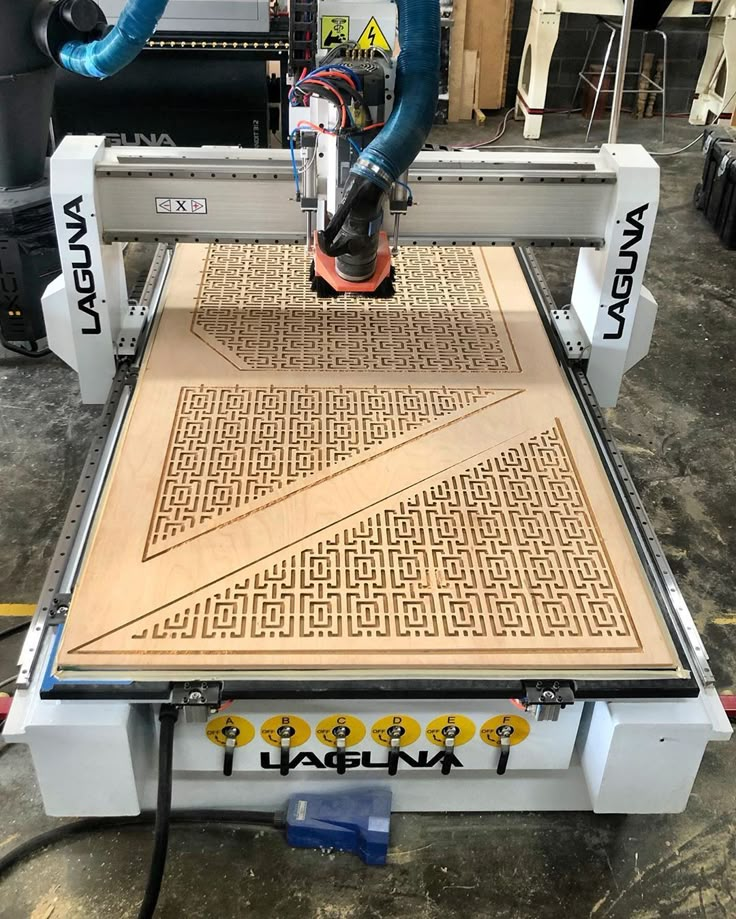
Panel Processing: CNC cutting excels at furniture panel production—sides, tops, bottoms, shelves, dividers—cut to precise dimensions with edge profiles and connection features. Nesting software optimizes material yield from sheet goods, reducing waste and cost. Typical processing includes:
- Rectangular or shaped panel outlines
- Edge profiling (chamfers, rounds, decorative ogees)
- Dadoes, rabbets, and grooves for joinery
- Holes for adjustable shelving, hardware mounting
- Slots for panel insertion or ventilation
Part Nesting and Yield Optimization: CNC programming arranges parts on sheet materials to maximize utilization, typically achieving 80-95% yield depending on part geometry. Grain direction matching for visible parts, defect avoidance in natural wood, and cutting sequence optimization for material stability all factor into nesting strategies.
| Component Type | Typical Material | CNC Operations | Quality Considerations |
|---|---|---|---|
| Case sides/tops | PB, MDF, plywood | Profile, edge, holes | Squareness, edge quality |
| Shelves | PB, plywood, solid wood | Profile, edge banding prep | Flatness, dimension |
| Doors/drawer fronts | MDF, solid wood, veneer | Profile, recess, hardware | Squareness, surface prep |
| Back panels | Plywood, hardboard | Profile, holes | Fit, nail/screw holes |
| Drawer boxes | Plywood, hardwood | Profile, joinery, bottom slot | Squareness, slide fit |
| Legs/posts | Solid wood, turned blanks | Profiling, tapering, detail | Symmetry, proportion |
Joinery and Connection Systems
System Holes (32mm System): European cabinetmaking standard utilizing systematic 32mm spaced holes for shelf supports, hinges, and drawer slides. CNC drilling ensures precise spacing and alignment, enabling modular construction and hardware interchangeability. Multiple drilling heads or multi-station machines process system holes efficiently.
Confirmat and Dowel Construction: CNC cutting creates precise holes for confirmat screws (specialized furniture screws) or dowels enabling strong, concealed joints. Hole diameter, depth, and positioning accuracy critical for assembly fit. Case construction utilizing these methods assembles quickly without specialized skills.
CNC Joinery: Advanced furniture utilizes integral CNC-cut joinery:
- Tab-and-slot: Interlocking features holding parts together without hardware
- Dovetail-style joints: CNC-cut angled joints for drawer boxes and case corners
- Biscuit/spline slots: Precise slots for alignment and reinforcement
- Pocket holes: Angled holes for screw fastening, often combined with dowels
- Lamello/P-system: Slots for specialized connector hardware
Knock-Down (KD) Fittings: Flat-pack furniture relies on CNC-cut features for cam-lock fittings, dowels, and minifix connectors. Precise machining ensures assembly without tools, tight joints, and structural integrity. CNC cutting creates mounting holes, connection points, and alignment features enabling consumer assembly.
Decorative and Shaped Components
Profiling and Edging: CNC cutting creates decorative edge profiles—ogees, beads, coves, chamfers—adding refinement to furniture components. Edge banding preparation (rabbets or grooves) integrates with post-CNC edge treatment. Complex curved edges execute consistently impossible with manual shaping.
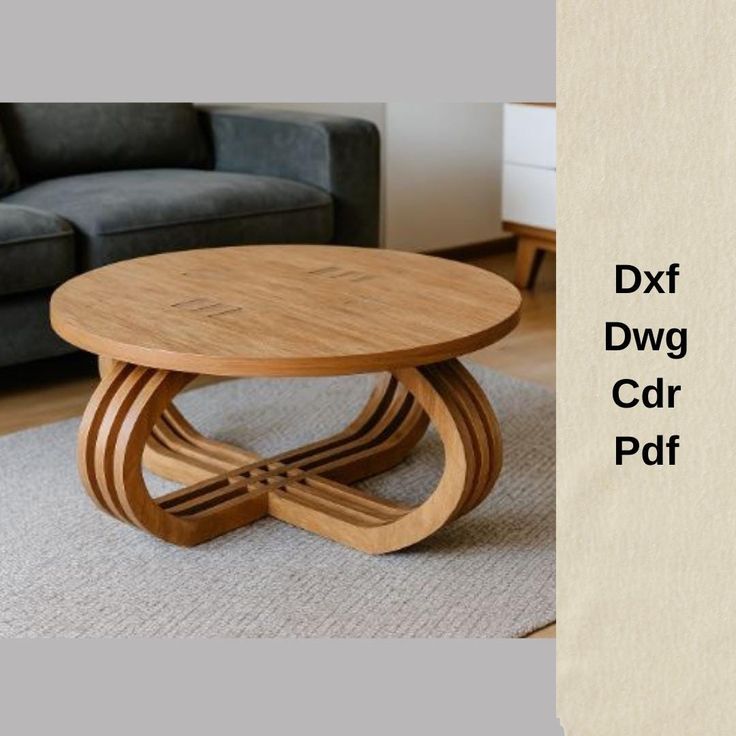
3D Contouring: Chair seats, ergonomic components, and sculptural elements require 3D machining capability. Four or five-axis CNC machines shape complex surfaces; 3-axis machines handle simpler contours through stepped or raster machining. 3D scanning captures hand-carved models for CNC replication, blending traditional aesthetics with production efficiency.
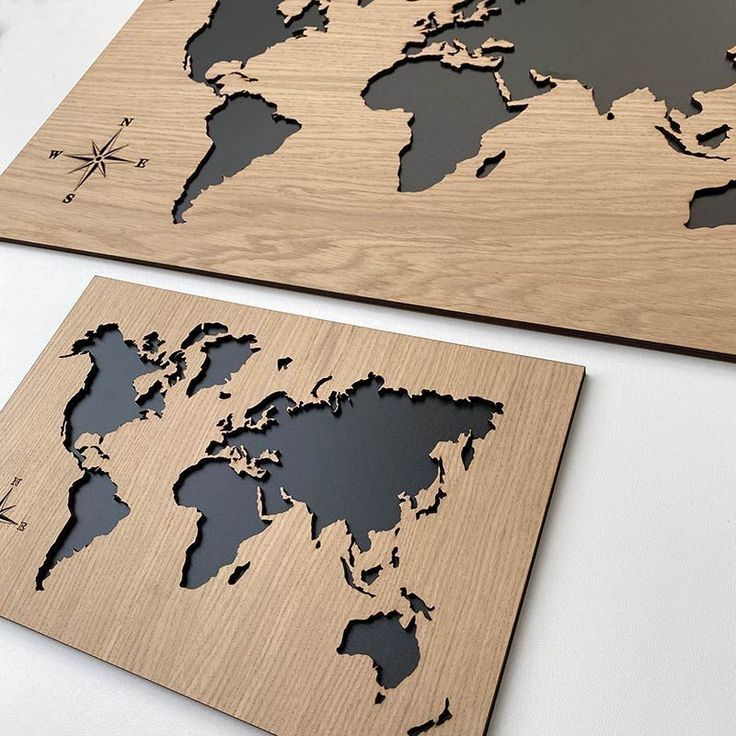
Corbels, Brackets, and Details: Decorative elements traditionally hand-carved now CNC-cut efficiently. Scrollwork, brackets, appliques, and ornamental details execute with consistency and precision, adding value to furniture pieces without prohibitive labor cost.
Inlay and Marquetry: Precision CNC cutting enables intricate inlay work—contrasting woods, materials, or colors set into surfaces. Tight tolerances ensure gap-free assembly; multiple materials cut for precise interlocking. Contemporary designs utilize this capability for distinctive surface decoration.
Production Strategies
Batch Production: CNC cutting enables efficient batch manufacturing—producing multiple identical pieces or product families. Setup amortization across batch reduces per-piece cost; consistent quality across batch ensures customer satisfaction. Batch sizing balances inventory carrying costs against setup frequency.
Mass Customization: CNC technology uniquely enables customization at mass production efficiency. Parametric programming adjusts dimensions, configurations, or features without new tooling or setup delays. Customers specify sizes, finishes, or features; CNC executes variations economically. This capability transforms furniture retail, enabling made-to-order without traditional custom pricing.
Nested-Based Manufacturing: Modern furniture production nests diverse parts on sheet materials, cutting complete product sets from optimized layouts. This approach minimizes material handling, reduces work-in-process inventory, and enables cellular manufacturing where complete products flow through production sequentially.
Hybrid Manufacturing: CNC cutting integrates with traditional woodworking—machining components subsequently assembled with hand-fitting, finishing, and detailing. This approach leverages CNC efficiency for labor-intensive operations while preserving craftsmanship where valued.
Material Considerations
Sheet Goods Optimization: MDF, particleboard, and plywood dominate CNC furniture cutting due to flatness, stability, and yield optimization. Material selection balances cost, surface quality, and structural requirements. Pre-finished materials (melamine, veneer) reduce post-CNC finishing; raw materials require subsequent surface treatment.
Solid Wood Strategies: Solid wood CNC cutting requires grain consideration, moisture content management, and movement accommodation. Strategies include cutting slightly oversize for hand-finishing, designing for wood movement in joinery, and optimizing cutting direction for appearance.
Specialty Materials: Solid surface materials (Corian, Hi-Macs), phenolic composites, and engineered stones extend CNC furniture applications into premium, durable surfaces. These materials machine similarly to wood/plastics with appropriate tooling, enabling seamless integration, thermoforming, and distinctive aesthetics.
Quality and Precision
Furniture manufacturing tolerances balance precision requirements against cost:
- Panel squareness: ±0.5mm over 1000mm typically sufficient
- Hole positioning: ±0.2mm for hardware function
- Edge profile consistency: Visual uniformity primary concern
- Surface quality: Paint-grade versus clear-finish requirements differ
CNC cutting achieves these tolerances consistently, with quality control focusing on machine maintenance, tool condition, and material consistency rather than operator skill variation.
Luna Graphics partners with furniture manufacturers providing CNC cutting services from prototyping through production. Our capabilities span component cutting, joinery machining, and decorative profiling across materials. Contact our manufacturing team to discuss your furniture production requirements and discover how CNC technology enhances your product quality and efficiency.
Written by Ian Love
Marketing Director
Professional contributor at Luna Graphics specializing in printing and branding solutions.