
The Provider Selection Imperative
Your UV printing partner directly determines project success regardless of design quality or concept strength. Kenya's expanding UV printing market includes exceptional operators, competent commodity providers, and inexperienced entrants lacking technical depth. Selecting appropriate partners requires systematic evaluation beyond price comparison, examining capabilities, quality systems, and service orientation matching your project requirements.
The selection stakes escalate with project complexity. Simple flat signs on standard materials tolerate provider limitations, while architectural installations, multi-site rollouts, or specialized substrates demand sophisticated capabilities. Understanding your project's technical requirements enables appropriate provider matching—over-specifying wastes budget, while under-specifying risks failure.
Technical Capability Assessment
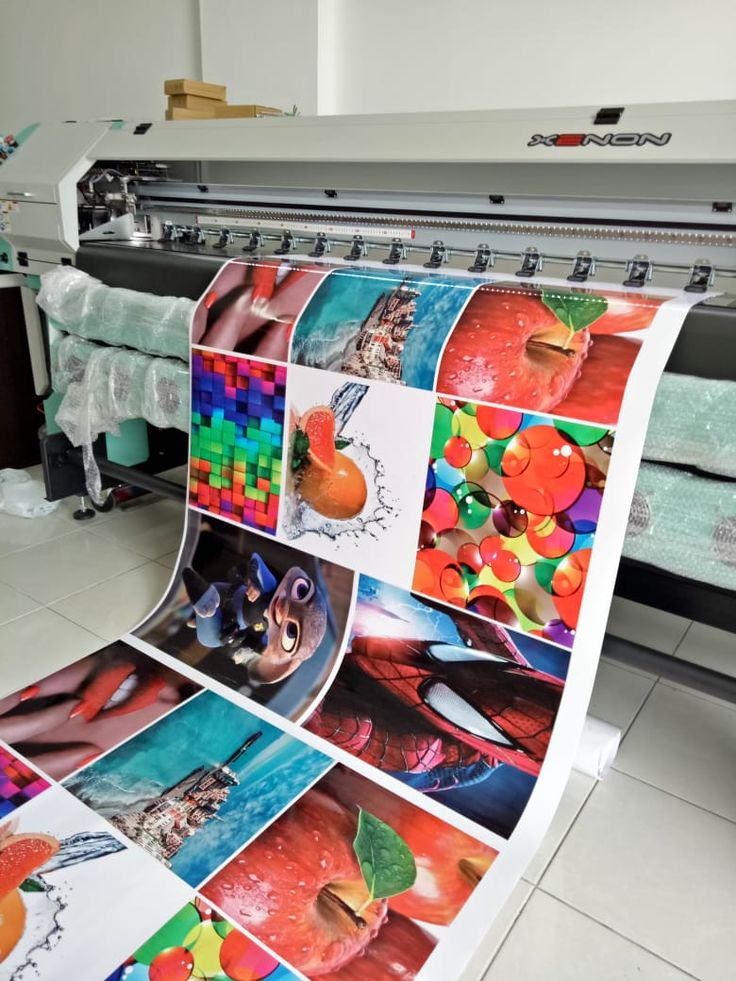
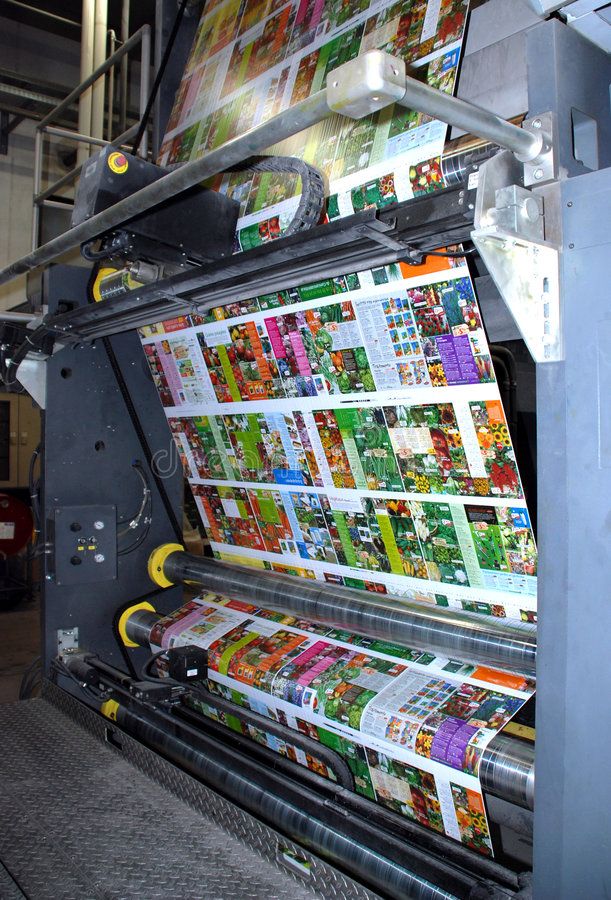
Equipment inventory reveals application range. Flatbed printers handle rigid materials—acrylic, metal, wood, glass—while roll-to-roll systems manage flexible substrates like vinyl and banner materials. Hybrid systems offer both capabilities. Bed size determines maximum dimensions; sub-2-meter beds limit signage scale while industrial 3+ meter beds accommodate architectural applications.
Printhead technology affects quality and speed. Industrial printers utilize multiple printheads for production efficiency and redundancy—if one printhead fails, others complete the job. Entry-level systems may use single printhead configurations adequate for simple work but vulnerable to quality disruption from minor maintenance issues. Toshiba, Ricoh, and Konica Minolta printheads represent premium configurations.
White ink and varnish capabilities enable premium applications. CMYK-only systems cannot print on transparent or dark materials effectively. White ink channels create base layers or spot highlights; varnish channels add protective or decorative top layers. Providers lacking these capabilities restrict your material and effect options significantly.
| Capability Indicator | What to Look For | Why It Matters | Verification Method |
|---|---|---|---|
| Printer Models | Industrial brands: EFI, Durst, Oce, Canon | Reliability, quality consistency | Request equipment list, visit facility |
| Bed Size | Minimum 2.5m x 1.3m for versatility | Accommodates large signage | Specification sheets, visual confirmation |
| White Ink | Dedicated circulation system | Prevents settling, maintains consistency | Ask about maintenance procedures |
| Color Management | Spectrophotometer, ICC profiling | Color accuracy, predictability | Request color match samples |
| RIP Software | Caldera, Onyx, EFI Fiery | Advanced color control, nesting | Software demonstration |
| Finishing Equipment | CNC router, laser cutter | Complete solution capability | Facility tour, equipment inventory |
Quality Assurance and Process Control
Color management infrastructure separates professional operations from equipment owners. ICC profiling ensures color predictability across different materials; spectrophotometers enable objective color measurement against standards. Providers lacking these tools rely on visual matching—adequate for some applications but incapable of brand color consistency.
Material testing protocols prevent adhesion failures. Reputable providers test ink-substrate compatibility before production, particularly for unusual materials or challenging surfaces. Ask about testing procedures and adhesion verification methods—responsible providers welcome these questions and demonstrate systematic approaches.
Quality control checkpoints should be visible and documented. Pre-production proofing, in-process inspection, and final verification before release prevent errors reaching clients. Sophisticated operations maintain quality logs and can trace any issues to specific production parameters for corrective action.
Experience and Portfolio Evaluation
Relevant project history indicates capability depth. Request case studies or portfolio examples matching your application type—architectural signage, retail environments, industrial labeling, or whatever your specific need. Generic claims of "we can do that" require substantiation through documented similar work.
Client references provide unfiltered performance insight. Contact previous clients for similar projects, inquiring about quality consistency, timeline adherence, problem resolution, and overall satisfaction. Providers reluctant to provide references or offering only "selected" testimonials may have performance inconsistencies to hide.
Industry specialization suggests relevant expertise. Providers focusing on specific sectors—retail, hospitality, corporate—develop deep understanding of those industries' requirements, regulations, and standards. Generalists may handle diverse work competently but lack specialized insight for demanding applications.
Service Level and Communication Standards
Consultative approach indicates partnership orientation. Quality providers ask detailed questions about application, environment, duration, and objectives before quoting. This discovery process ensures appropriate specifications; providers immediately quoting without understanding requirements likely sell inappropriate solutions.
Technical support availability matters for complex projects. Design assistance, file preparation guidance, and installation support distinguish full-service providers from basic print shops. Evaluate whether the provider offers comprehensive service or merely executes provided files—your internal capabilities determine which model suits your needs.
Communication responsiveness predicts project management quality. Delayed responses to inquiries, vague answers to technical questions, or difficulty reaching knowledgeable staff during evaluation likely indicate similar patterns during production. Urgent projects particularly require providers with responsive communication systems.
Red Flags and Warning Signs
Price significantly below market: Sustainable operations cannot deliver quality UV printing at rates substantially below competent competitors. Extreme low pricing suggests corner-cutting—inferior materials, minimal color management, or inadequate finishing—that compromises results.
Inability to explain technical specifications: Providers unable to articulate their equipment capabilities, ink types, or curing systems likely lack technical depth. UV printing requires material science knowledge; operators merely pushing buttons produce inconsistent results.
No physical facility for inspection: Legitimate operations welcome facility tours demonstrating equipment, organization, and quality systems. Reluctance to reveal production environment suggests equipment deficiencies or substandard conditions.
Vague or absent warranty terms: Quality providers stand behind their work with clear warranty terms addressing color fading, adhesion failure, or manufacturing defects. Absence of warranty protection or unwillingness to document terms indicates confidence deficiency.
Pressure for immediate commitment: Professional providers encourage evaluation and comparison, confident in their value proposition. High-pressure sales tactics or "today only" pricing suggest desperation or inferior offerings requiring coercion.
Selection Process Framework
Stage 1: Requirements Definition—Document your project's technical needs, quality standards, timeline, and budget constraints. This clarity enables effective evaluation and prevents scope creep.
Stage 2: Long-List Development—Identify 4-6 providers through online research, industry referrals, and visible work in your market segment. Include range from established operators to newer entrants.
Stage 3: Capability Screening—Request capability statements, equipment lists, and relevant portfolios. Eliminate providers lacking essential technical requirements before investing evaluation time.
Stage 4: Deep Evaluation—Visit remaining providers' facilities, request sample prints on your specified materials, check references, and obtain detailed quotations. Test communication responsiveness with technical questions.
Stage 5: Trial Project—Before major commitments, place small test order evaluating actual performance against promises. This real-world validation reveals operational reality that sales presentations obscure.
Luna Graphics welcomes rigorous evaluation against these criteria. Our Nairobi facility operates industrial EFI and Durst UV systems with comprehensive finishing capabilities. We maintain documented quality systems, provide client references across multiple industries, and offer facility tours demonstrating our operational standards. Contact us to begin your evaluation process—we're confident that thorough assessment positions us favorably for your UV printing partnership.
Written by Ian Love
Marketing Director
Professional contributor at Luna Graphics specializing in printing and branding solutions.