
Defining Your Requirements
Selection begins with internal clarity regarding project specifications. Document required sizes, quantities, materials, finishing needs, installation requirements, and timeline constraints. Identify application environments—indoor retail, outdoor exposure, vehicle application, or temporary event use—as these determine material and process requirements. Understanding your needs enables meaningful provider comparison and prevents mismatched capabilities.
Budget parameters influence provider tier selection. Premium providers with advanced equipment and comprehensive services command higher pricing than basic shops, but may deliver superior value through reduced failure rates, extended durability, and professional project management. Establish budget ranges allowing quality-appropriate provider evaluation rather than defaulting to lowest-cost options.
Volume and frequency expectations affect partnership structure. One-time projects suit transactional relationships with any capable provider. Recurring needs justify developing preferred vendor relationships with negotiated pricing, dedicated account management, and priority scheduling. Clarify your ongoing requirements before evaluating provider business models.
Technical Capability Assessment
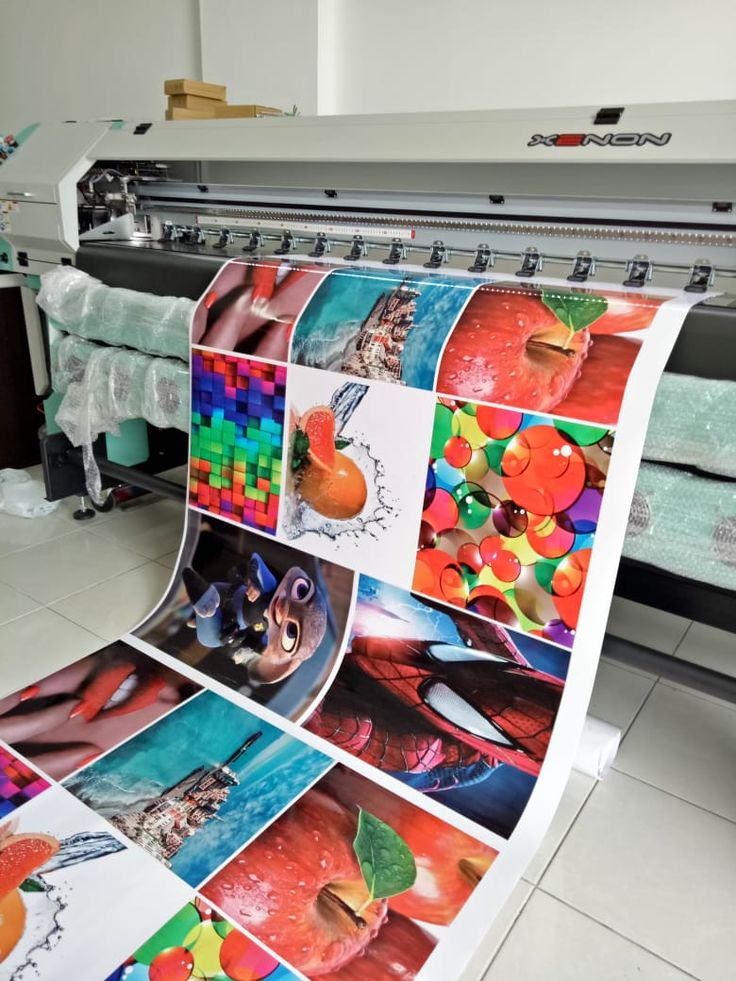
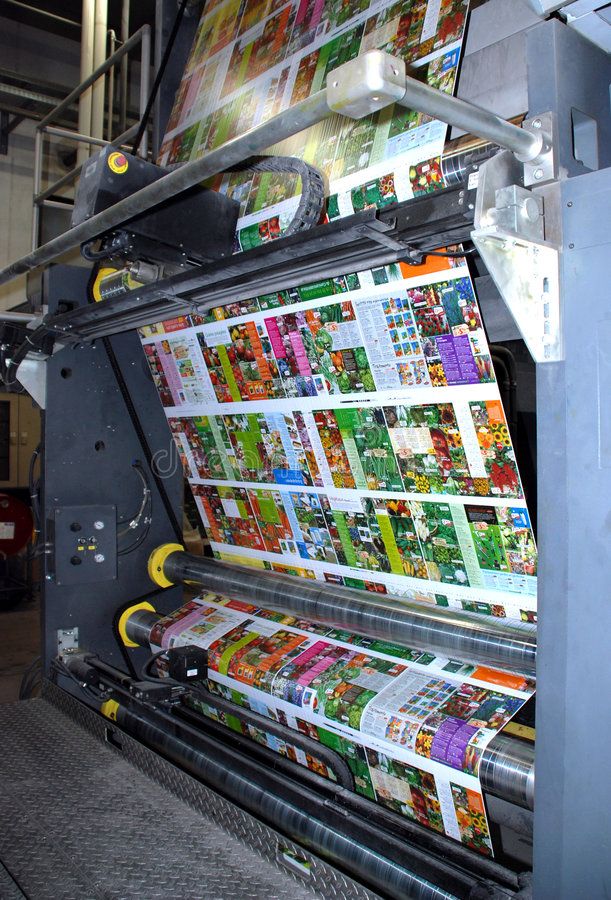
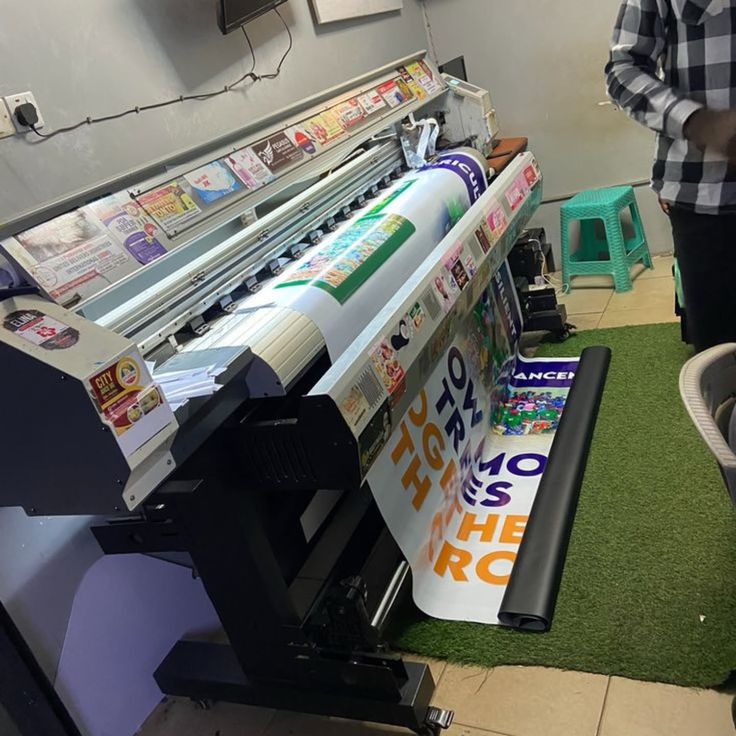
Equipment portfolio indicates production capacity and application range. Modern providers operate latex or UV-curable systems offering environmental advantages and substrate versatility. Inquire about maximum print widths, rigid substrate handling capabilities, white ink availability, and cutting/finishing equipment. Providers relying solely on older eco-solvent systems may lack material options or color consistency capabilities.
Color management infrastructure separates professional providers from basic shops. Request information about color calibration protocols, spectrophotometer utilization, and ICC profile management. Providers unable to explain color management procedures likely lack systematic quality control. Request printed color proofs for critical brand color matching before committing to production.
Material inventory and sourcing relationships affect availability and pricing. Providers stocking premium materials (3M, Avery Dennison, Orafol) offer immediate production capability and quality assurance. Those ordering materials per-project face extended timelines and potential supply inconsistencies. Evaluate material storage conditions—climate-controlled environments prevent substrate degradation affecting print quality.
Quality Verification Methods
Portfolio review provides capability evidence. Request samples similar to your specific requirements—outdoor durability for exterior applications, fine detail reproduction for close-viewing graphics, color accuracy for brand materials. Examine finishing quality: clean cuts, secure grommets, straight hems, and bubble-free lamination indicate attention to detail affecting both appearance and longevity.
Facility visits reveal operational standards. Professional environments demonstrate organized workflow, material handling protocols, and equipment maintenance practices. Cleanliness matters—dust and debris cause print defects, while organized storage prevents material damage. Observe whether production and finishing occur in controlled environments or exposed to dust and weather.
Reference checks validate claimed capabilities. Contact existing clients regarding reliability, quality consistency, problem resolution, and adherence to timelines. Ask specifically about projects similar to yours—vehicle wrap clients for automotive applications, retail clients for point-of-sale graphics. Online reviews provide additional perspective, though verify authenticity and relevance to your project type.
Service and Communication Evaluation
Responsiveness during inquiry stages predicts ongoing service quality. Providers slow to respond to initial inquiries likely demonstrate similar patterns during production. Evaluate communication clarity—technical questions should receive knowledgeable answers indicating expertise rather than scripted responses.
Project management capabilities matter for complex executions. Inquire about dedicated account management, production scheduling visibility, and progress reporting. Providers offering online portals or regular status updates enable better client planning and reduce anxiety regarding timeline adherence.
Design support availability adds value for clients lacking in-house creative resources. Some providers offer graphic design services, file preparation assistance, or template libraries. Clarify whether design services are included or surcharged, and review designer portfolios for aesthetic alignment with your brand standards.
Business Practice Due Diligence
Financial stability indicates long-term viability. Established providers with physical facilities, significant equipment investments, and substantial client bases demonstrate commitment beyond opportunistic operations. Request business registration documentation and tax compliance certificates for corporate clients requiring vendor qualification.
Insurance coverage protects against project failures. Professional liability insurance covers re-production costs if errors occur. Vehicle and installation insurance protects against damage during delivery and mounting. Request certificate of insurance documentation for high-value projects.
Warranty and guarantee terms indicate quality confidence. Reputable providers offer 6-12 month warranties on outdoor durability, adhesion, and colorfastness. Material manufacturer warranties (typically 3-5 years for premium vinyl) should transfer to end clients. Clarify warranty claim procedures and response timelines.
Location and Logistics Considerations
Proximity affects delivery costs and timeline flexibility. Nairobi traffic patterns make geographic location significant—providers in Industrial Area, Mombasa Road, or Westlands offer different accessibility advantages. Evaluate whether provider location supports your installation requirements or if logistics complications will arise.
Installation capabilities extend provider value. Some large format shops offer comprehensive installation services; others deliver only printed materials requiring client-arranged installation. For complex applications—billboards, vehicle wraps, wall graphics—integrated installation services reduce coordination complexity and accountability fragmentation.
Pricing and Contract Terms
Transparent pricing enables accurate comparison. Request itemized quotations specifying material grades, production processes, finishing details, and timeline assumptions. Vague quotations suggesting "standard vinyl" without manufacturer specifications prevent meaningful quality comparison.
Payment terms indicate business maturity. Established providers offer credit terms to qualified corporate clients; cash-only requirements may suggest financial instability. Milestone-based payments protect both parties for large projects—deposit, production completion, and installation acceptance stages.
Luna Graphics meets all criteria for premium large format printing partnership in Nairobi. Our Industrial Area facility operates HP Latex and UV-curable systems with comprehensive finishing capabilities. ISO-certified color management, substantial premium material inventory, and dedicated project management support demanding client requirements. Our client portfolio includes Kenya's leading brands across retail, corporate, and government sectors. We invite facility tours and reference discussions to demonstrate our capabilities.
Written by Ian Love
Marketing Director
Professional contributor at Luna Graphics specializing in printing and branding solutions.