
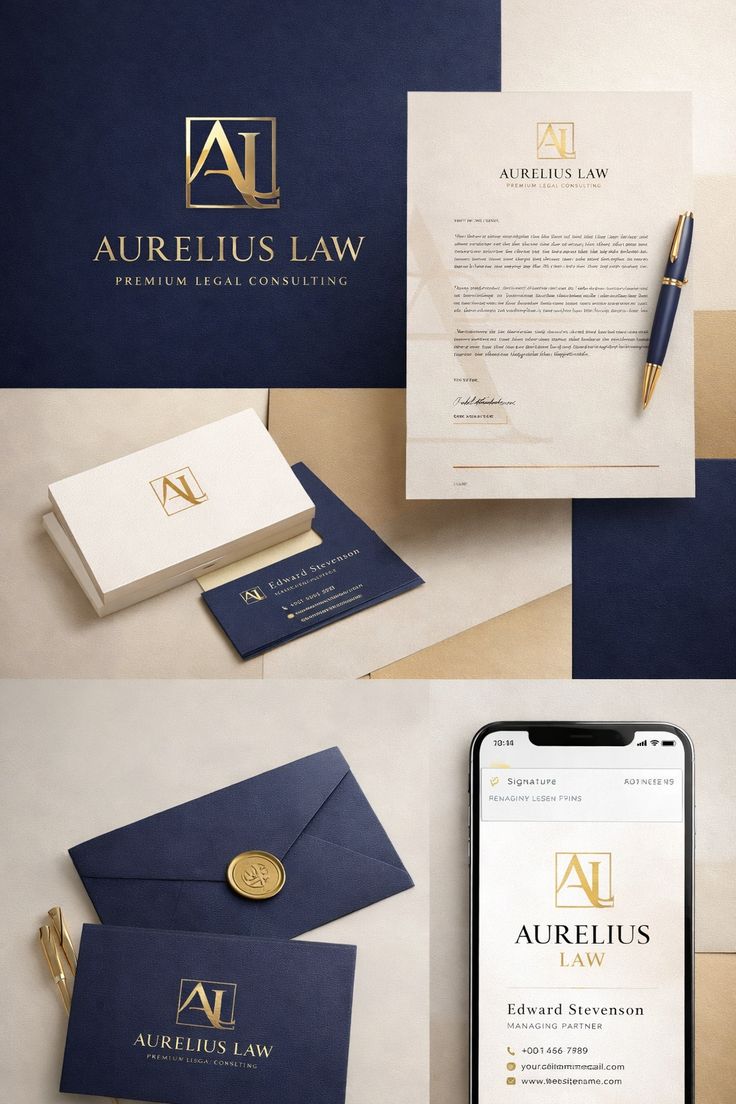

Legal Branding Beyond the Wig and Gown
Legal services branding in Kenya has evolved from homogeneous professional conformity to strategic differentiation. While tradition emphasized undifferentiated gravitas, modern legal market demands distinct positioning that communicates specialization, approachability, and value. Successful law firm branding balances professional credibility with memorable differentiation in increasingly competitive market.
The Kenyan legal landscape includes international firms, established local practices, boutique specialists, and emerging challengers. Each segment requires appropriate brand positioning—prestige for international corporate work; accessibility for personal legal services; expertise for specialized practice areas. Generic professional branding fails to capture these distinct market positions.
Positioning Strategies for Legal Practices
Specialization positioning focuses on specific practice areas or industries. "The employment law specialists" or "banking sector legal experts" create clear differentiation and justify premium pricing through demonstrated expertise. Specialization requires genuine capability depth, not merely marketing claim.
Approach positioning differentiates service delivery—collaborative vs. aggressive; traditional vs. innovative; local insight vs. international standards. These personality dimensions attract clients preferring specific working relationships. Authenticity essential—positioning must reflect actual firm culture.
Client segment focus targets specific markets—SMEs, multinationals, individuals, specific industries. Understanding segment needs enables tailored service and communication. Niche focus often more effective than broad positioning for mid-size firms.
Heritage vs. innovation positioning balances established reputation with contemporary relevance. Long-established firms leverage history and stability; newer firms emphasize fresh approaches and modern efficiency. Both valid depending on firm reality and market opportunity.
Visual Identity for Legal Sector
Color psychology significantly affects legal brand perception. Navy blue dominates conveying trust and stability; burgundy suggests established prestige; green can signal growth or financial focus; modern firms might use contemporary neutrals with accent colors. Avoid colors undermining credibility—overly bright or trendy palettes.
Typography should communicate professionalism and readability. Serif fonts suggest tradition and authority; clean sans-serifs convey modern efficiency. Script or decorative fonts generally inappropriate for legal branding. Legibility paramount for detailed communications.
Imagery approaches vary by positioning. Traditional firms use architectural photography, library settings, or formal portraits; contemporary firms might show collaborative workspaces, diverse teams, or client success stories. Authenticity matters more than aspirational staging.
Logo design should be timeless rather than trendy. Legal services require longevity in brand assets; frequent changes undermine stability signaling. Classic, simple designs outlast fashion cycles.
Business Development Integration
Thought leadership content demonstrates expertise and builds visibility. Articles, seminars, newsletters, and social media commentary on legal developments position firm as knowledgeable resource. Content marketing generates inbound inquiries and supports referral relationships.
Relationship nurturing systems maintain contact with referral sources and prospects. CRM tracking, regular communications, and event programming keep firm top-of-mind when legal needs arise. Systematic relationship investment outperforms sporadic business development.
Client experience design differentiates service delivery. Onboarding processes, communication protocols, matter management, and billing transparency affect satisfaction and referrals. Operational excellence supports brand promises.
Digital presence must be professional and discoverable. Website as credibility checkpoint; SEO for practice area visibility; LinkedIn for professional networking. Digital often first impression—quality essential.
Professional Responsibility Considerations
Advertising regulations constrain legal marketing in Kenya. Law Society of Kenya guidelines restrict certain claims, comparisons, and solicitation methods. Branding must comply while still achieving differentiation. Legal review of marketing materials prudent.
Confidentiality and privilege considerations affect case studies and testimonials. Client permission required; information must be anonymized appropriately; privilege protection maintained. Marketing enthusiasm must respect professional obligations.
Professional reputation management requires monitoring and response. Online reviews, directory listings, and media mentions affect firm perception. Active reputation management protects brand equity.
Luna Graphics provides specialized branding services for legal professionals, balancing differentiation with professional credibility. We understand legal sector constraints and opportunities, creating brands that attract ideal clients while maintaining professional standards. Contact our professional services team to discuss your firm's brand development.
Written by Ian Love
Marketing Director
Professional contributor at Luna Graphics specializing in printing and branding solutions.