
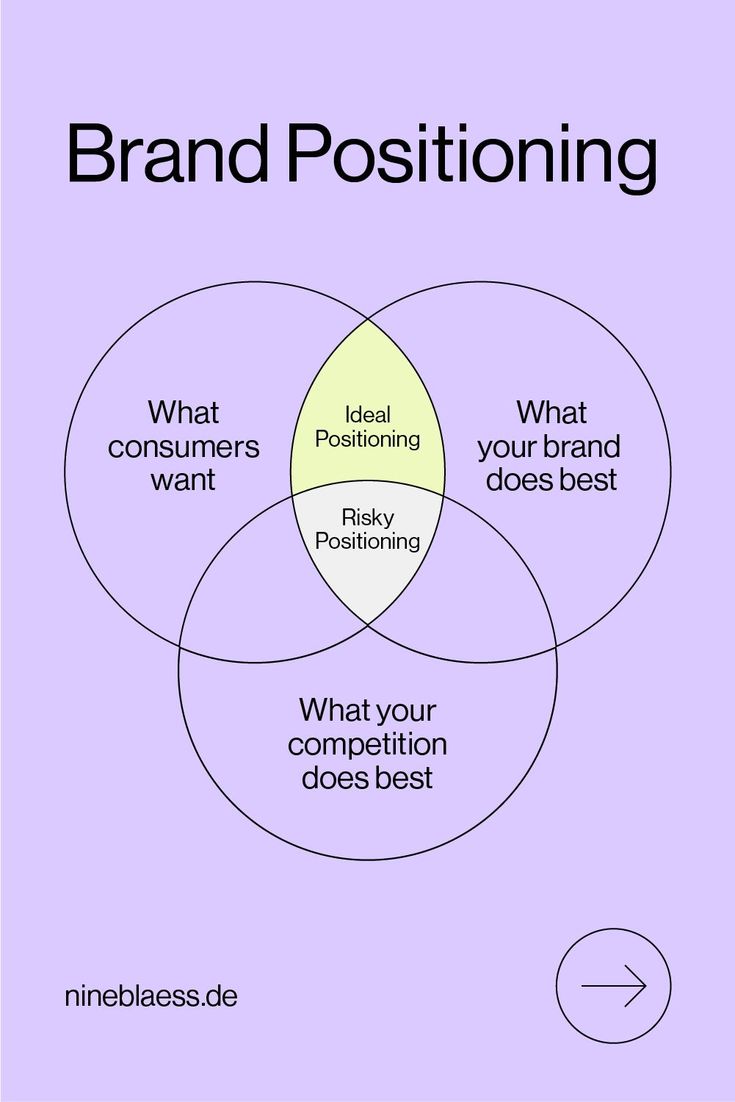

The Battle for Mental Real Estate
Brand positioning occupies distinctive, valued place in target audience minds relative to competitors. In competitive markets, effective positioning is not optional—brands without clear differentiation become commodities competing solely on price. This analysis provides frameworks for developing positioning strategies that create sustainable competitive advantage in Kenyan and regional markets.
Positioning is not what you do to product, but what you do to mind of prospect. It's the art of creating distinct meaning that influences preference and justifies premium. Strong positioning makes brand the obvious choice for specific needs.
Positioning Frameworks
Category positioning defines or redefines category rules. Leader positioning (we're #1); challenger positioning (we're the alternative); or niche positioning (we specialize in X). Category dynamics determine optimal approach.
Attribute positioning owns specific characteristic. Volvo owns safety; FedEx owns overnight; Tesla owns electric. Identify attribute valued by audience and achievable by organization; own it completely.
Benefit positioning promises specific outcome. "Whiter whites" for detergent; "lose weight" for diet products; "peace of mind" for insurance. Benefit must be meaningful and deliverable.
User positioning targets specific segment. "For professionals" or "for young families" or "for luxury seekers." Segment must be identifiable, reachable, and valuable.
Competitor positioning defines against alternative. "Unlike others, we..." or "the only alternative to [leader]." Requires clear competitive differentiation and justification.
Differentiation Strategies
Product differentiation through features, quality, or design. Tangible differences creating preference; innovation sustaining leadership; design creating aesthetic differentiation.
Service differentiation through experience, support, or relationship. Customer service excellence; consultative selling; or ongoing relationship management. Service harder to copy than product features.
Channel differentiation through accessibility or experience. Exclusive distribution; convenience positioning; or unique retail experience. Place as differentiator.
Image differentiation through personality and values. Brand character attracting like-minded customers; values alignment; or lifestyle association. Emotional connection creating loyalty.
Price positioning as premium or value. Luxury signaling through high price; value positioning through efficiency; or fair price positioning through transparency. Price as signal.
Kenyan Market Considerations
Local vs. global positioning choices. Local heritage and understanding; global standards and quality; or glocal balance. Context determines optimal emphasis.
Price sensitivity affects positioning viability. Premium positioning requires sufficient affluent segment; value positioning must avoid quality doubt; middle positioning risks being ignored.
Competitive dynamics including local and international competitors. Market leader defense; challenger strategies; or niche focus. Competitive set determines approach.
Cultural relevance ensures positioning resonance. Local values and aspirations; community connection; and appropriate expression. Global brands must localize positioning.
Luna Graphics provides positioning strategy services including competitive analysis, positioning development, and expression strategy. We help Kenyan brands find distinctive, defensible market positions. Contact our strategy team to discuss your positioning challenges.
Written by Ian Love
Marketing Director
Professional contributor at Luna Graphics specializing in printing and branding solutions.