

Billboard Types and Specifications
Billboards represent the largest scale of large format printing, requiring specialized production capabilities and material specifications. Standard formats include static bulletins (14x48 feet or 4.3x14.6 meters in North America; varying internationally), posters (12x24 feet or 3.7x7.3 meters), and digital displays (LED screens with printed replacement faces). Kenyan market standards typically follow Commonwealth specifications with adaptations for local manufacturing and importation.
Static bulletins utilize vinyl faces attached to rigid structures, changed periodically for new campaigns. These permanent installations offer maximum size and visibility. Poster billboards utilize paper or vinyl sheets changed more frequently, suited for shorter campaigns. Wallscapes apply directly to building surfaces, offering massive scale but requiring structural engineering.
Digital billboards (DOOH
- Digital Out-of-Home) increasingly complement traditional printed formats. However, printed billboards maintain advantages for long-term campaigns, specific locations lacking digital infrastructure, and creative executions utilizing physical texture or dimensional elements impossible with screens.
Material Specifications and Durability
Billboard substrates must withstand extreme environmental exposure: intense UV radiation, temperature cycling, wind loading, and precipitation. Frontlit flex faces (vinyl-coated polyester scrim) dominate static billboards, available in weights from 9oz to 18oz per square yard (300-600gsm).
Material selection balances weight (affecting installation ease and wind load) against durability. Premium 15-18oz materials with UV inhibitors and fungicide treatments achieve 3-5 year lifespans in tropical climates like Kenya. Economy materials may fade or degrade within 12-18 months.
Seaming large faces requires welding (radio frequency or heat) creating joints stronger than base material. Seam placement avoids high-stress areas and considers graphic design integration. Blockout layers prevent show-through on double-sided installations.
Reinforcement includes: pole pockets for tensioning; webbing reinforcement at attachment points; and wind slits or mesh sections for very large installations reducing structural loading.
Design Principles for Billboard Effectiveness
Viewing context dictates design constraints. Highway billboards viewed at 100+ km/h require extreme simplicity: maximum 7 words, single focal point, high contrast colors, and minimal detail. Readability testing at appropriate distances and speeds validates designs.
Urban billboards viewed by pedestrians or slow traffic accommodate slightly more complexity but still demand immediate comprehension. dwell time (time available to view) rarely exceeds 5-10 seconds; messaging must communicate within this window.
Color selection emphasizes visibility and brand recognition. High contrast (black/white, yellow/black, red/white) maximizes legibility. Brand colors maintain consistency but may require adjustment for outdoor visibility. Fluorescent colors increase attention but fade rapidly; use strategically.
Typography requires bold, sans-serif fonts at massive scale. Minimum letter height: 300mm for pedestrian viewing; 600mm for urban traffic; 1000mm+ for highway visibility. Stroke weight must be heavy enough to maintain form at distance.
Production and Color Management
Resolution requirements seem low (10-30 DPI at final size) due to viewing distance, but file preparation requires careful scaling. Vector graphics ensure crisp text and logos; raster images must be appropriately sized to prevent pixelation. RIP software optimizes file handling for massive output.
Color management addresses outdoor appearance variations. Colors appear different in direct sun versus shade; monitor calibration rarely predicts outdoor appearance accurately. Pantone matching provides reference but outdoor materials may not achieve exact matches. Proofing at reduced scale validates color direction.
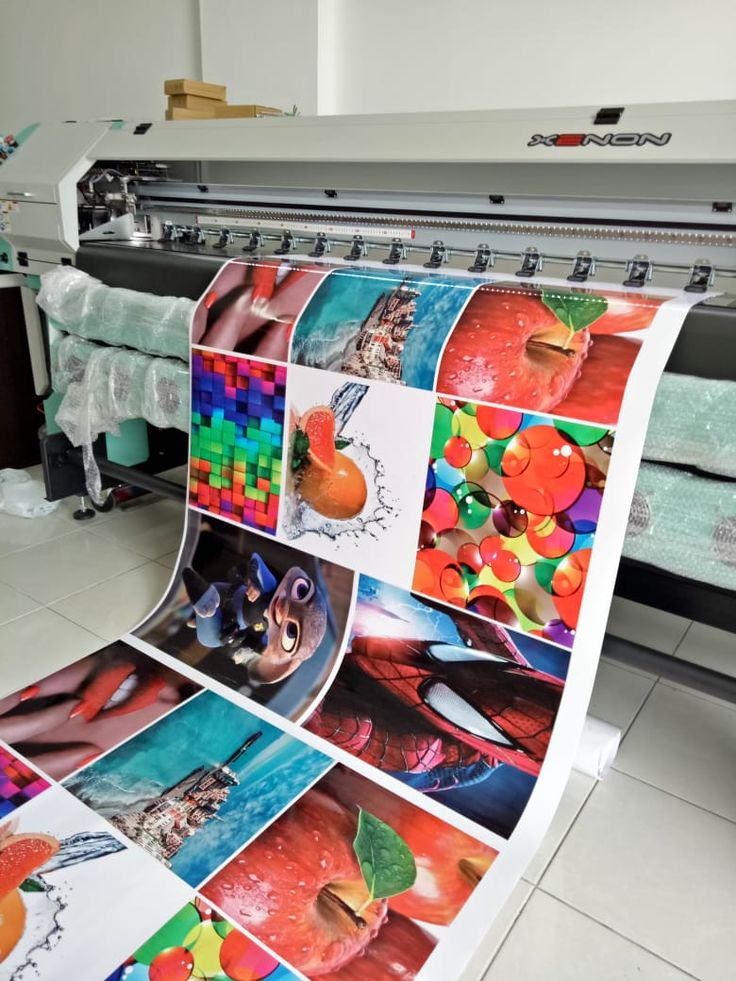
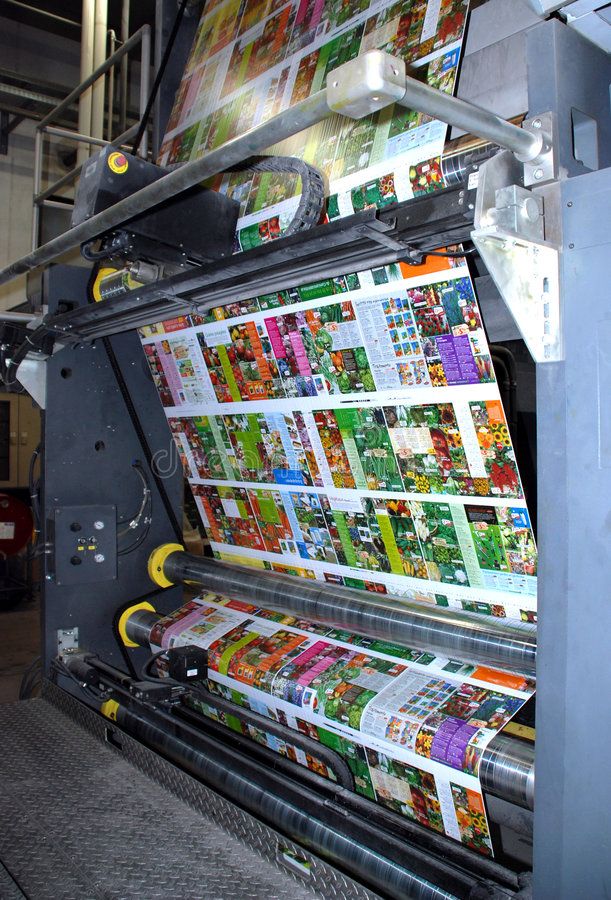
Production equipment includes grand format printers (5+ meter width) handling billboard faces in single pieces or minimal seams. Eco-solvent, latex, and UV-curable inks all perform adequately; UV offers best fade resistance. Printing occurs in climate-controlled environments preventing material expansion/contraction affecting registration.
Installation and Structural Considerations
Billboard structures require engineering certification for wind load capacity. Kenyan coastal regions and highland areas experience extreme wind conditions; structural failures pose safety hazards and liability. Professional installation teams understand tensioning requirements, hardware specifications, and safety protocols.
Installation equipment includes cranes or boom lifts for elevated bulletins, scaffolding for wallscapes, and specialized tensioning tools ensuring drum-tight faces without damage. Night installation may be required for high-traffic locations.
Maintenance access affects design and material selection. Difficult-access locations justify premium materials extending change intervals. Digital faces may be preferable for locations where manual changes are hazardous or expensive.
Regulatory and Legal Compliance
Municipal regulations govern billboard placement, size, illumination, and content. Nairobi and other Kenyan cities have specific bylaws regarding outdoor advertising; compliance requires permit acquisition and adherence to zoning restrictions. Illegal installations face removal and fines.
Content restrictions may apply: prohibition of alcohol or tobacco advertising near schools; decency standards; and truth-in-advertising requirements. Political advertising faces specific timing and disclosure regulations during election periods.
Lease agreements with property owners or billboard companies specify maintenance responsibilities, insurance requirements, and removal obligations. Legal review prevents disputes and ensures continuous display rights.
Cost Structures and Media Planning
Billboard production costs include: design, printing, shipping, and installation. Printed faces range KES 150-400 per square meter depending on material and size. Installation costs vary by height and accessibility, ranging KES 15,000-50,000 per face.
Media costs (rental of billboard structure) dominate campaign budgets. Prime locations (highways, urban centers) command premium rates; secondary locations offer value for awareness campaigns. Typical monthly rentals range KES 50,000-500,000 depending on location and format.
Campaign duration affects production decisions. Short campaigns (1-3 months) may utilize poster paper changed frequently; long-term branding (12+ months) justifies premium vinyl investment. Production costs amortize over campaign length.
Luna Graphics produces billboard faces to international standards using grand format equipment and premium materials. Our installation partners manage structural requirements and regulatory compliance. From design optimization for outdoor viewing to campaign execution, we provide comprehensive billboard advertising solutions. Contact our outdoor advertising team for location evaluation and production planning.
Written by Ian Love
Marketing Director
Professional contributor at Luna Graphics specializing in printing and branding solutions.