
The Kenyan Business Context: Why UV Printing Matters Now
Kenya's rapidly evolving business environment demands branding solutions that combine speed, quality, and versatility. Nairobi's position as East Africa's commercial hub creates intense competition across retail, hospitality, corporate services, and manufacturing sectors. Businesses require signage and marketing materials that deploy quickly, withstand local climate conditions, and project premium brand positioning. UV printing directly addresses these requirements while solving logistical challenges specific to Kenyan operations.
Local market conditions amplify UV printing's advantages. Nairobi's traffic congestion and limited warehouse space make inventory-heavy traditional printing approaches economically burdensome. UV printing's on-demand capability eliminates storage requirements for pre-printed materials. The technology's compatibility with diverse substrates enables local production of items previously imported—acrylic awards, metal signage, glass decoration—reducing lead times from weeks to days and costs by 40-60% compared to international sourcing.
Operational Efficiency and Speed-to-Market
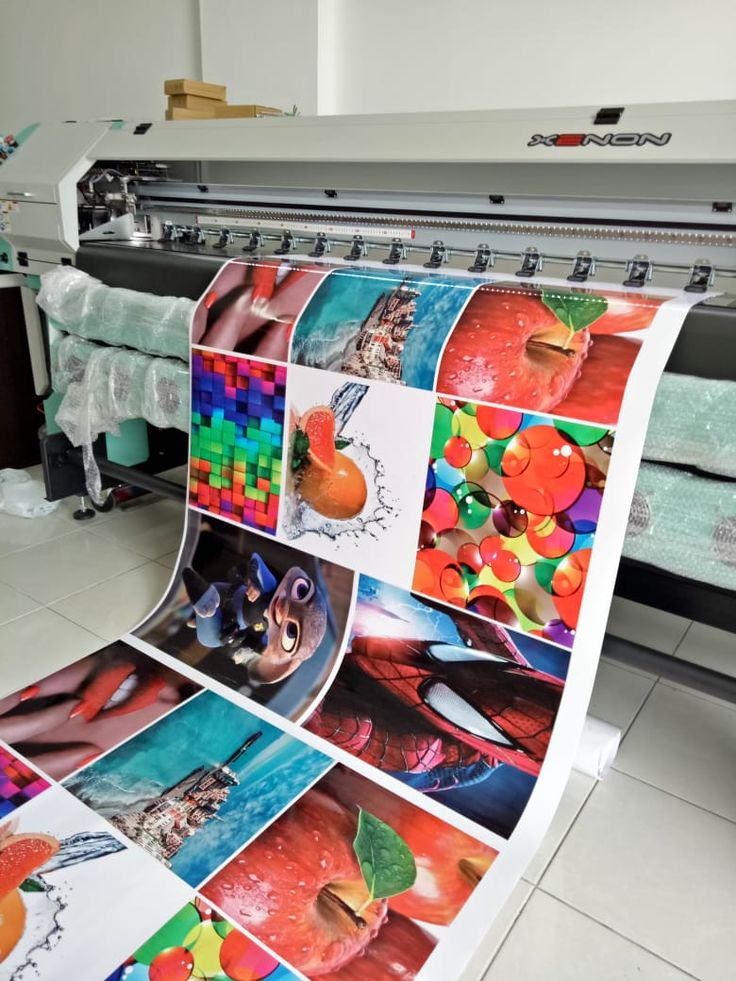
Same-day production capability transforms marketing responsiveness. Traditional printing methods requiring drying time or external finishing extend project timelines to 3-7 days. UV printing's instant curing enables morning-design-to afternoon-installation workflows. For retail promotions, event signage, or urgent corporate requirements, this speed provides competitive advantage through faster market responsiveness.
Reduced inventory risk particularly benefits businesses with multiple locations or seasonal variations. Hotels, restaurant chains, and retail groups can print location-specific materials on demand rather than forecasting quantities months ahead. Elimination of minimum order quantities enables testing of marketing approaches with small initial deployments before scaling successful concepts. This flexibility reduces waste from obsolete materials and enables agile marketing strategies.
Logistics simplification addresses Nairobi's infrastructure challenges. Compact UV printing facilities operate effectively in urban industrial zones without the ventilation requirements or drying space that solvent printing demands. Localized production reduces transportation costs and damage risks associated with moving bulky traditional signage across the city's congested road networks.
Climate Durability for Kenyan Conditions
| Environmental Factor | UV Print Performance | Traditional Print Vulnerability | Business Impact |
|---|---|---|---|
| Intense UV Radiation | 3-5 year color retention | Fading within 6-12 months | Reduced replacement costs |
| Heavy Rain/Monsoon | Waterproof, no delamination | Water damage, adhesive failure | Reliable outdoor performance |
| Temperature Extremes | Stable from -20°C to 80°C | Cracking, peeling, warping | Year-round durability |
| Dust/Particulate | Hard surface resists abrasion | Scratching, embedded particles | Maintained appearance |
| High Humidity | No moisture absorption | Mold, mildew, paper degradation | Indoor/outdoor versatility |
| Urban Pollution | Chemical resistant surface | Staining, chemical degradation | Easy maintenance |
Substrate Versatility Enabling Premium Positioning
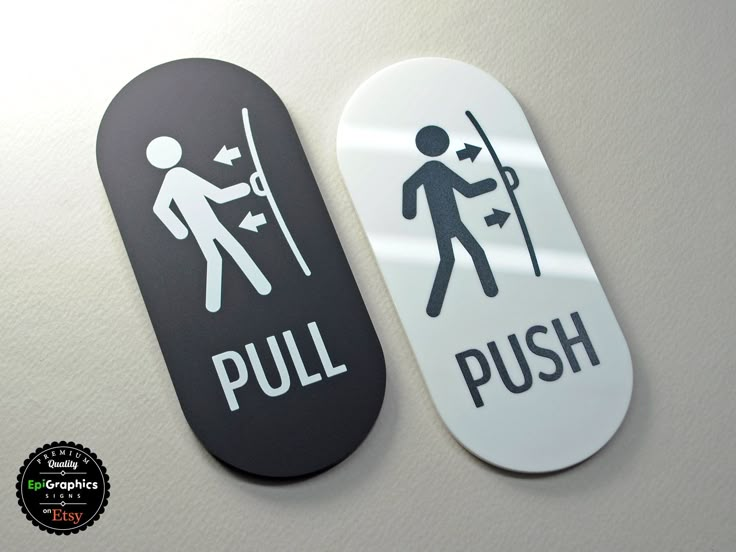
Direct-to-substrate printing on premium materials elevates brand perception. UV printing enables production of acrylic reception signs, aluminum wayfinding systems, glass architectural elements, and wood interior features previously unavailable through local production. These materials communicate quality and permanence that vinyl banners or foam boards cannot match, supporting premium pricing strategies and brand positioning.
Customization capabilities differentiate commoditized offerings. Real estate developers create property-specific sales center graphics incorporating actual project photography and finishes. Hospitality venues produce room-specific artwork and directional signage reflecting individual design themes. Corporate offices implement branded environments with consistent graphics across diverse materials—glass conference rooms, metal elevator surrounds, wood reception desks—unified through single-process UV production.
Prototyping and short-run production support product development. Manufacturers print sample packaging, labels, and point-of-sale materials for market testing without committing to high-volume traditional production. This capability reduces risk in new product launches while accelerating time-to-market for successful innovations.
Cost Optimization Through Technology
Total cost analysis frequently reveals UV printing as the most economical choice despite higher per-unit material costs. Elimination of lamination requirements for outdoor applications saves KES 400-800 per square meter. Reduced replacement frequency—UV prints lasting 3-5 years versus 1-2 years for solvent prints—halves long-term signage expenditures. Immediate curing eliminates work-in-progress carrying costs and enables faster project completion, improving cash flow.
Waste reduction contributes to cost efficiency. Digital workflow eliminates make-ready waste from traditional printing setup. On-demand production prevents inventory obsolescence when branding changes or locations close. Precise quantity matching eliminates over-ordering "just in case" that traditional minimum quantities require.
Labor efficiency advantages compound economic benefits. Single-operator UV systems handle complete production from file preparation through finishing, reducing staffing requirements compared to multi-process traditional workflows. Automated color management minimizes rework and color correction time, improving throughput and reducing skilled labor dependencies.
Environmental Compliance and Corporate Responsibility
Kenya's Environmental Management and Coordination Act increasingly regulates industrial emissions. UV printing's zero-VOC operation eliminates regulatory compliance costs and permitting complexity associated with solvent printing. This characteristic particularly benefits corporate clients with sustainability commitments or international environmental standards requirements.
Indoor air quality benefits support employee health and productivity. Unlike solvent printing requiring ventilation and creating odor issues, UV printing operates without atmospheric emissions. This enables production facilities in mixed-use industrial areas and improves working conditions for production staff.
Waste stream reduction aligns with circular economy initiatives. Durable UV prints require less frequent replacement, reducing material consumption over time. The elimination of lamination films and adhesive vinyls simplifies end-of-life material handling compared to multi-layer traditional signage construction.
Competitive Differentiation Through Quality
Visual impact advantages capture attention in crowded marketplaces. UV printing's color saturation, gloss uniformity, and fine detail reproduction create signage that stands out against conventional alternatives. White ink capabilities enable striking effects on colored or transparent materials impossible with traditional methods. These visual advantages directly influence customer perception and engagement metrics.
Tactile and dimensional effects add value beyond visual communication. Selective varnish creates texture and gloss variation that invites touch and signals quality. Embossed effects through ink layering simulate premium processes like engraving at digital production costs. These sensory elements create memorable brand interactions that differentiate commoditized products and services.
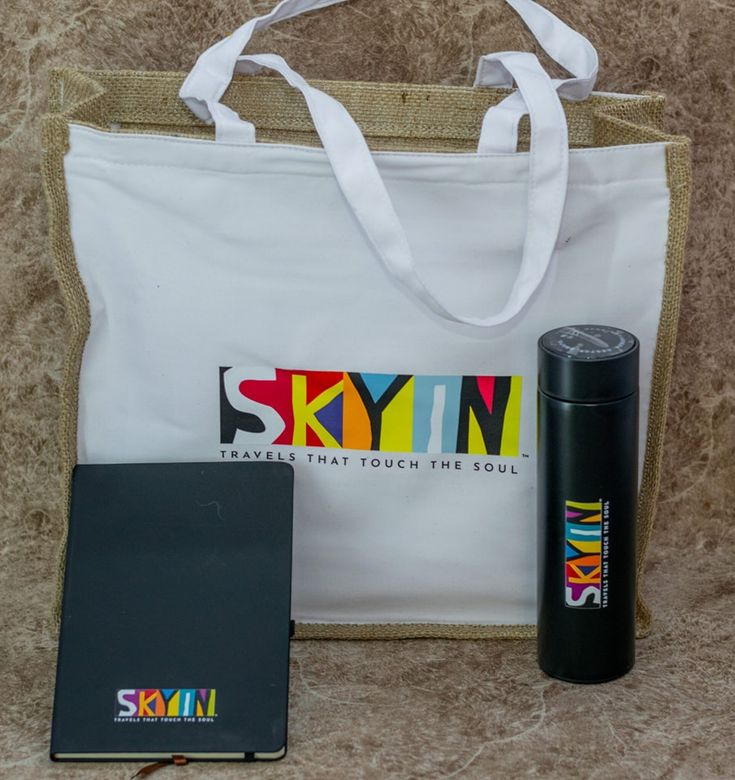
Consistency across applications reinforces brand coherence. Single UV printing systems produce business cards, building signage, vehicle graphics, and promotional items with identical color matching and quality standards. This consistency strengthens brand recognition and professionalism compared to sourcing diverse materials from multiple suppliers with varying quality control.
Luna Graphics partners with Kenyan businesses to leverage UV printing technology for competitive advantage. Our consultative approach identifies applications where UV capabilities deliver maximum return on investment, from premium retail environments to industrial labeling solutions. Contact our business development team to assess how UV printing can transform your visual communication strategy and operational efficiency.
Written by Ian Love
Marketing Director
Professional contributor at Luna Graphics specializing in printing and branding solutions.