
The Education Market Opportunity
Back-to-school season represents one of the most concentrated purchasing periods in Kenyan retail, with parents, students, and educational institutions investing significantly in supplies, technology, apparel, and services preparing for new academic years. For brands targeting education markets—from stationery and technology to financial services and retail—back-to-school campaigns provide high-impact opportunity to capture attention, build loyalty, and drive volume during this critical period.
Effective back-to-school branding requires understanding diverse stakeholders: students seeking self-expression and peer acceptance; parents prioritizing value, durability, and educational benefit; and educators influencing purchasing decisions. Campaigns must resonate across these perspectives while differentiating from competitive noise during cluttered marketing periods.
Back-to-School Product Categories
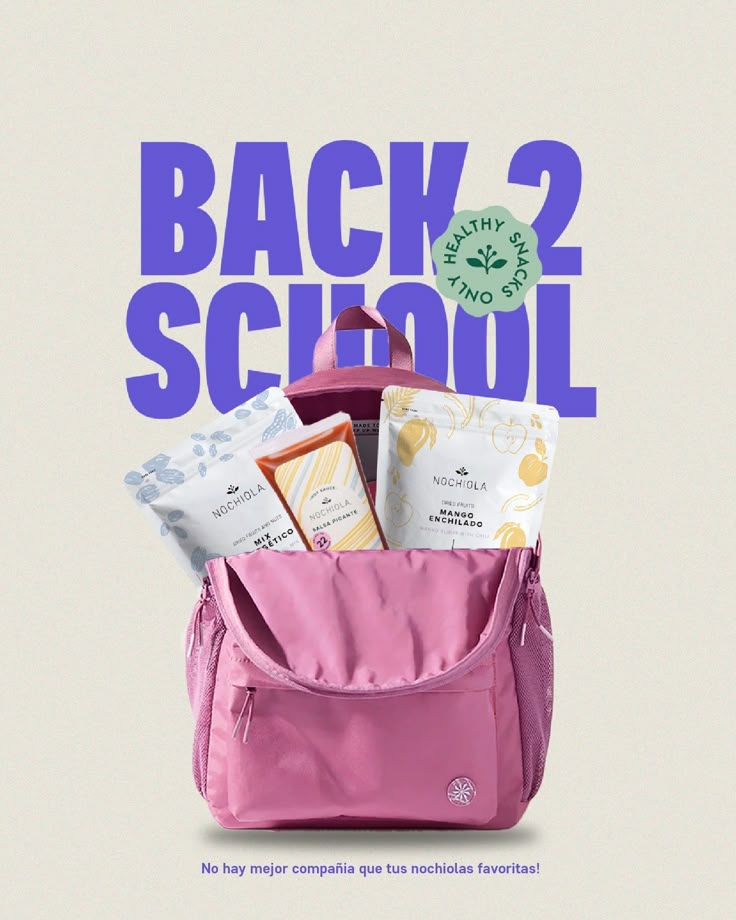
Branded back-to-school merchandise spans essential supplies: writing instruments and stationery; bags and backpacks; technology accessories; apparel and uniforms; drinkware and lunch containers; and organizational tools. Product selection should balance practical utility ensuring actual use with branding visibility maximizing marketing return.
For Kenyan education markets, consideration of curriculum requirements, school uniform policies, and economic constraints ensures product relevance and accessibility. Luna Graphics sources back-to-school merchandise across categories with branding capabilities.
| Product Category | Student Appeal | Parent Value | Branding Opportunity | |
|---|---|---|---|---|
| Backpacks | Style, function, status | Durability, capacity, value | Large visible area, daily use | |
| Stationery sets | Organization, self-expression | Educational support, completeness | Frequent use, desk presence | |
| Tech accessories | Connectivity, entertainment | Educational tool, safety | High visibility, modern association | |
| Drinkware/lunch | Personalization, health | Nutrition, waste reduction | Daily use, multiple daily impressions | |
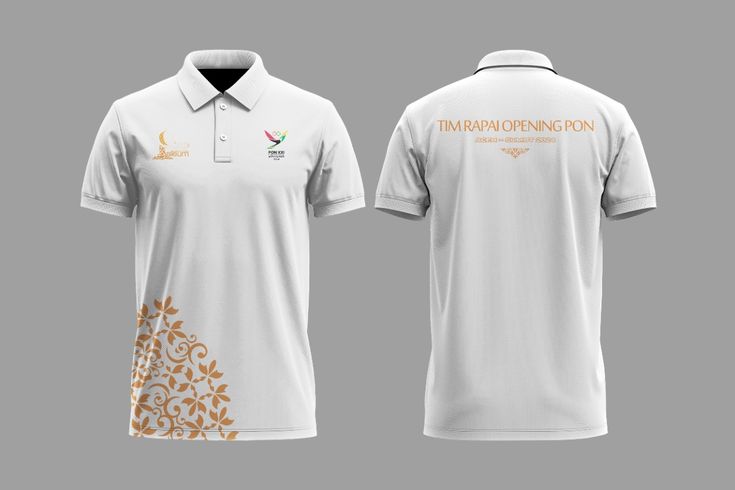
| Apparel | Identity, belonging, style | Value, durability, compliance | Walking billboard, peer influence | |
| Organizational tools | Academic success, stress reduction | Educational support, responsibility | Desk presence, daily utility |
Campaign Timing and Phased Approach
Back-to-school campaigns require precise timing: early preparation phase (June-July) capturing planning and early purchases; peak season (August) dominating during active shopping; and late season (September) addressing last-minute needs and replenishment. For Kenyan academic calendar aligned with calendar year, campaign timing should anticipate specific school opening dates varying by institution.
Phased messaging evolves across periods: early focus on preparation and aspiration; peak emphasis on urgency and selection; late season addressing specific needs and replacement. Digital and social media enable dynamic campaign adjustment based on market response.
Distribution Channels and Partnerships
Back-to-school distribution leverages diverse channels: retail partnerships placing branded items in relevant shopping contexts; school partnerships enabling direct student access; event presence at enrollment and orientation; and digital commerce capturing online purchasing. For Kenyan markets, informal retail and school-based distribution may be particularly important.
Strategic partnerships with educational institutions, parent associations, or education influencers extend reach and credibility. Co-branding with complementary products (technology with accessories) creates value bundles increasing appeal.
Design Strategy for Youth Markets
Back-to-school design must resonate with youth aesthetics—trend awareness, color preferences, graphic styles, and cultural references—while maintaining brand identity and parent appropriateness. For Kenyan students, local cultural elements, educational aspiration messaging, and peer influence dynamics inform effective design.
Personalization and customization options—name printing, color selection, accessory configuration—increase individual connection and purchase justification.
Value Engineering and Accessibility
Back-to-school purchasing often operates under budget constraints requiring value-conscious offerings: entry-level price points with quality branding; bundle offerings providing perceived value; and durability justifying investment. For Kenyan diverse economic market, tiered offerings across price points maximize market coverage.
Corporate social responsibility integration—donation programs, scholarship support, or underserved community provision—builds brand equity alongside commercial objectives.
Measurement and Campaign Optimization
Back-to-school effectiveness should be measured through: sales volume and market share; brand awareness and preference shifts among students and parents; and social media engagement and user-generated content. Campaign optimization based on real-time data improves performance during critical season.
For Kenyan education markets, establishing annual campaign rhythm builds anticipation and tradition increasing effectiveness over time.
Conclusion: Capturing Education Market Momentum
Back-to-school branding campaigns, strategically executed, capture high-value education market opportunity building brand affinity with future consumers and influencing immediate family purchasing. For Kenyan brands, education market investment yields both short-term volume and long-term loyalty.
Luna Graphics provides back-to-school merchandise and campaign support from product selection and branding through distribution logistics. Our education market expertise ensures campaigns resonating with Kenyan students, parents, and educators. Contact our team to discuss your back-to-school strategy.
Written by Ian Love
Marketing Director
Professional contributor at Luna Graphics specializing in printing and branding solutions.