
The QR Code Renaissance in Event Marketing
QR codes have experienced remarkable resurgence in event marketing, evolving from early-adopter novelty to mainstream utility accelerated by pandemic-era contactless preferences and improved native smartphone integration. For Kenyan events, QR codes bridge the persistent gap between physical print materials—banners, programs, tickets, signage—and digital experience layers, enabling immediate access to extended content, interactive features, and data capture without friction of URL entry or app downloads. Strategic QR implementation transforms static print into dynamic engagement portals.
The effectiveness of QR codes in event contexts depends on strategic implementation addressing user motivation, technical reliability, design integration, and value exchange. Poorly executed QR codes—linking to non-mobile-optimized sites, offering insufficient value, or presented without context—generate frustration and brand damage. Professional QR integration requires understanding of user behavior, technical standards, and design principles ensuring seamless physical-digital transition.
Strategic QR Applications for Events
QR codes serve diverse strategic functions in event contexts, with application determining implementation approach. Information extension provides detailed content exceeding print space constraints—speaker bios, session descriptions, product specifications, or venue maps accessible on demand. Engagement mechanisms enable voting, polling, contest entry, or social sharing directly from print touchpoints. Transaction facilitation supports ticket purchasing, merchandise ordering, or donation processing without queue formation. Data capture enables lead collection, feedback gathering, or attendance tracking with automatic digital recording.
For Kenyan events with diverse audience technology adoption, QR code applications should complement rather than replace accessible alternatives, ensuring inclusive experience for participants without smartphone capability or comfort. Strategic redundancy—providing both QR and traditional access methods—maintains universal accessibility while offering enhanced convenience for digital-enabled attendees.
| Application | Print Placement | Digital Destination | Value Proposition |
|---|---|---|---|
| Session information | Program, session signage, agenda displays | Detailed descriptions, speaker bios, presentation downloads | Enhanced content without print bulk |
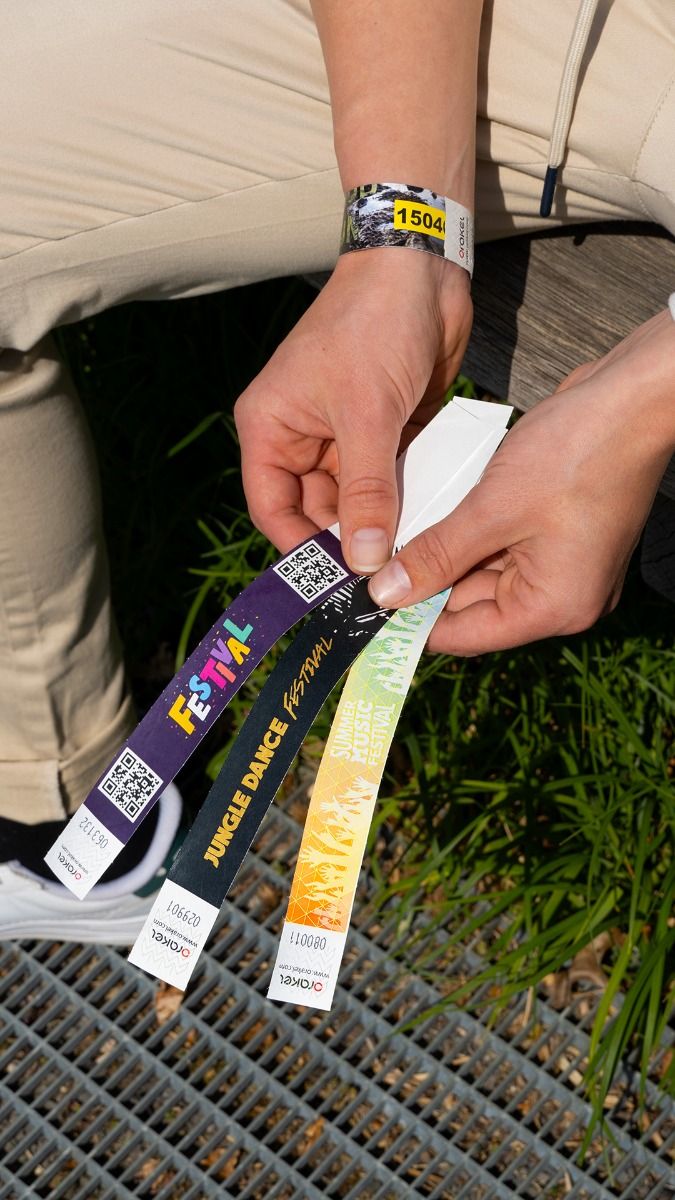
| Networking/lead capture | Badges, business cards, booth displays | Contact exchange, LinkedIn connection, digital business card | Efficient relationship building |
| Feedback collection | Exit signage, session rooms, meal areas | Survey forms, rating interfaces, testimonial capture | Real-time input, improved response rates |
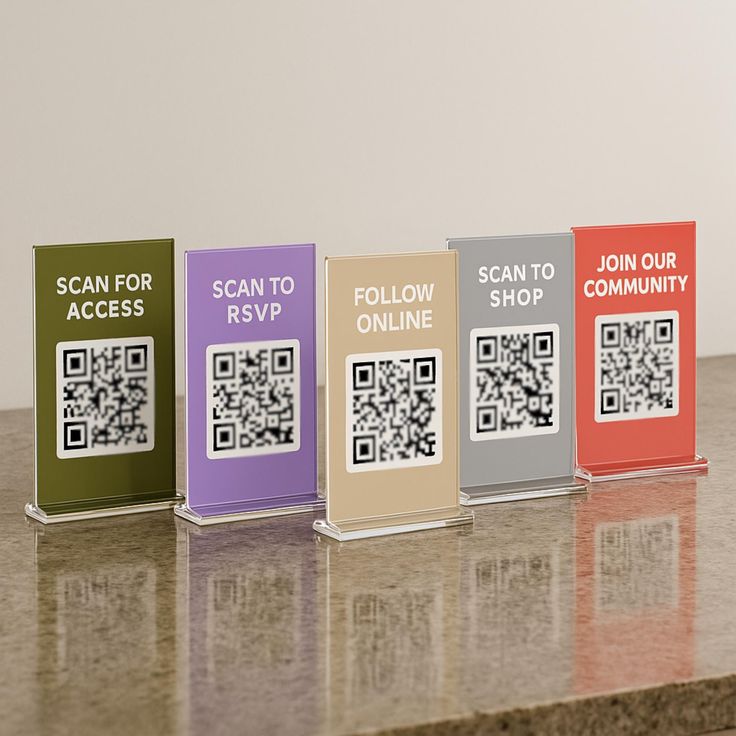
| Contest/gamification | Posters, table tents, wayfinding | Entry forms, game interfaces, leaderboards | Engagement motivation, participation tracking |
| Commerce/transactions | Merchandise displays, auction items, donation appeals | Payment processing, product detail, inventory check | Frictionless purchasing, reduced queues |
| Multilingual support | All signage, critical information points | Translated content, audio guides, accessibility features | Inclusive experience for international audiences |
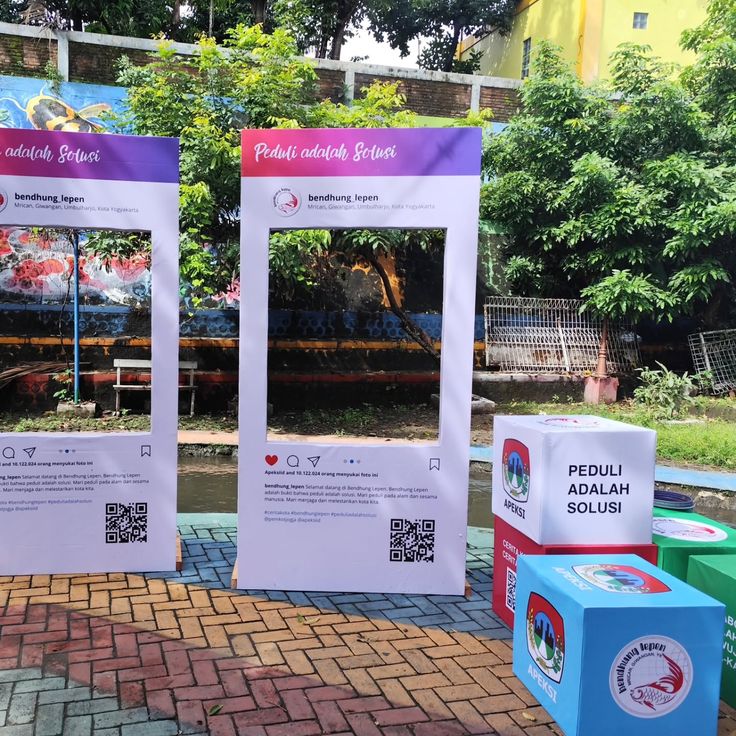
| Social amplification | Photo backdrops, experience zones, shareable moments | Pre-composed posts, filter applications, hashtag integration | Organic reach extension, documentation ease |
Design Integration and Visual Optimization
QR code design has evolved beyond basic black-and-white squares to sophisticated visual integration maintaining scannability while enhancing aesthetic coherence with event branding. Color customization matching brand palettes, incorporated logos or images within code structure, and shaped modules create branded QR codes distinguishable from generic implementations. However, design modification must preserve technical functionality—sufficient contrast, quiet zone maintenance, and error correction capability ensuring reliable scanning across diverse devices and conditions.
Size and placement significantly impact scanning success, with minimum dimensions (typically 2cm x 2cm for close scanning, larger for distance) and positioning at accessible heights and angles. Event materials require testing across anticipated use contexts—distance scanning for banners, low-light conditions for evening events, or rapid scanning for queue management. Luna Graphics provides QR design optimization ensuring visual integration without functional compromise.
Technical Implementation and Reliability
QR code technical infrastructure requires careful setup ensuring reliable performance under event conditions. URL destinations must be mobile-optimized with fast loading, clear navigation, and appropriate content for immediate consumption. Dynamic QR codes—linking to redirect URLs enabling destination changes without code reprinting—provide flexibility for last-minute content updates or multi-use applications. For Kenyan events with connectivity challenges, offline-capable destinations or progressive web apps ensure functionality despite network limitations.
Error correction levels should be specified appropriate for anticipated code wear or damage—higher correction for wristbands or credentials subject to handling, standard correction for protected signage. Testing protocols across multiple device types, operating systems, and scanning applications verify universal compatibility before production commitment.
Content Strategy and Value Exchange
QR code effectiveness depends entirely on destination value justifying scanning effort. Disappointing destinations—generic websites requiring navigation, excessive form fields, or content merely duplicating print information—discourage future engagement and damage brand perception. Successful QR implementations offer clear, immediate value: exclusive content unavailable elsewhere, time-saving functionality, or enhanced experience impossible through print alone.
For Kenyan events, content strategy should consider data costs and connectivity limitations, offering lightweight experiences respecting participant resources. Progressive disclosure—initial lightweight content with optional deeper engagement—balances immediate gratification with comprehensive information access.
Analytics and Performance Measurement
QR code implementation enables precise measurement impossible with traditional print, with scan analytics providing insight into engagement patterns, popular content, and material effectiveness. Tracking parameters including scan volume, timing, location, and device characteristics inform optimization for current and future events. A/B testing different placements, designs, or calls-to-action refines approach based on empirical performance rather than assumption.
For Kenyan event marketers with limited analytics infrastructure, QR code platforms provide accessible dashboards requiring minimal technical setup. Luna Graphics provides analytics consultation ensuring QR implementation delivers actionable data alongside engagement functionality.
Security and Fraud Prevention
QR codes in event contexts require security consideration preventing malicious redirection, counterfeiting, or data interception. Secure HTTPS destinations protect user data, while unique codes for tickets or credentials prevent unauthorized duplication. For high-value Kenyan events, custom QR implementations with encryption or authentication protect against fraud while maintaining user convenience.
Staff training should address QR security—recognizing tampering, verifying legitimate codes, and assisting attendees with scanning difficulties. Contingency protocols address technical failures ensuring event continuity despite QR system issues.
Integration with Event Technology Ecosystems
QR codes function most effectively as integrated components of comprehensive event technology platforms rather than isolated implementations. Registration system integration enables personalized QR codes containing attendee information for rapid check-in or lead retrieval. Mobile app integration provides seamless transition from QR scan to native application experience. CRM connectivity ensures captured data flows automatically into relationship management systems for post-event follow-up.
For Kenyan events with existing technology infrastructure, QR implementation should leverage current platforms rather than creating isolated systems requiring separate management. Luna Graphics provides integration consultation ensuring QR codes complement rather than complicate event technology architecture.
Future Developments and Innovation
QR code technology continues evolving with enhanced capabilities including augmented reality triggering, NFC hybrid integration, and blockchain verification for credential security. Near-field communication (NFC) tags provide alternative physical-digital bridging with tap rather than scan interaction, potentially more intuitive for some user segments. For forward-looking Kenyan events, monitoring these developments ensures continued technology leadership and attendee experience optimization.
Conclusion: Print-Digital Integration Essential
QR codes in event print materials have transitioned from novelty to necessity, providing essential infrastructure for physical-digital experience integration expected by contemporary audiences. Through strategic implementation addressing design, technical reliability, content value, and measurement, QR codes extend print investment into interactive engagement and data capture. For Kenyan events competing for attention and seeking measurable marketing impact, professional QR integration represents fundamental capability.
Luna Graphics provides comprehensive QR code services for event materials including design optimization, technical implementation, and analytics integration. Our expertise ensures QR codes enhance rather than complicate attendee experience while delivering strategic value for event organizers. Contact our digital integration specialists to discuss QR implementation for your upcoming events, and discover how physical-digital bridging can transform your print materials into dynamic engagement platforms.
Written by Ian Love
Marketing Director
Professional contributor at Luna Graphics specializing in printing and branding solutions.