
The Centrality of Stage Backdrops in Event Design
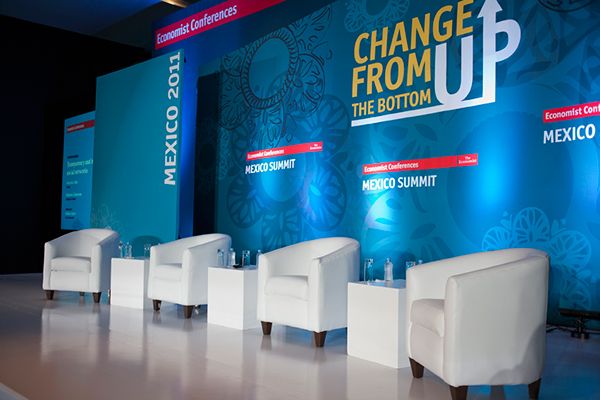
Large stage backdrops function as the visual anchor of event environments, dominating sightlines in photography and video documentation while establishing thematic tone and organizational credibility. Whether for corporate conferences, concert performances, award ceremonies, or political gatherings, the stage backdrop commands attention as the focal point around which other event elements arrange. For Kenyan events seeking professional presentation, backdrop quality significantly influences overall perception regardless of other production elements.
The technical challenges of large stage backdrop printing—scale management, material behavior, installation logistics, and lighting integration—require specialized expertise distinct from standard large format printing. Backdrops must maintain perfect appearance under intense scrutiny, camera capture, and variable lighting while installing safely and efficiently within venue constraints. Understanding these technical requirements ensures investment delivers intended visual impact.
Scale and Resolution Specifications
Stage backdrop scale varies dramatically from modest conference stages (3-6 meters width) to concert and arena productions (20+ meters), with resolution requirements adjusting accordingly. The viewing distance principle applies—backdrops viewed from audience seating or camera positions require less resolution than graphics examined closely, though camera capture demands higher resolution than naked eye viewing. Typical stage backdrop resolution ranges 50-100 PPI depending on scale and camera proximity, with higher resolution for backdrops subject to close camera shots.
File preparation for large backdrops requires careful attention to scale management, with design files built at appropriate percentage (often 25% or 50% of final size) maintaining adequate resolution while ensuring software stability. Color mode must be CMYK for predictable output, with embedded color profiles ensuring consistency. Luna Graphics provides file specification guidance ensuring technical preparation matching production capabilities.
| Backdrop Scale | Typical Dimensions | Resolution Guidance | Common Applications |
|---|---|---|---|
| Small stage | 3m x 2.4m to 6m x 3m | 100-150 PPI at final size | Meeting rooms, breakout stages, press conferences |
| Medium stage | 6m x 4m to 12m x 5m | 75-100 PPI at final size | Conference main stages, theater productions, corporate events |
| Large stage | 12m x 6m to 20m x 8m | 50-75 PPI at final size | Arena events, major conferences, concert tours |
| Extra-large/arena | 20m+ width, variable height | 50 PPI maximum, often lower | Stadium shows, mass events, outdoor festivals |
Material Selection for Stage Applications
Stage backdrop material selection balances visual quality, practical handling, and installation requirements. Tension fabric systems utilizing dye-sublimated polyester have become dominant for professional applications, offering lightweight handling, wrinkle resistance when tensioned, excellent color reproduction, and packability for touring. Fabric weight (typically 200-300gsm) affects draping and opacity, with heavier weights providing better light blocking and wind resistance for outdoor applications.
Vinyl banners provide economical alternatives for single-use or short-duration applications, with scrim vinyl offering reduced glare and better folding characteristics than standard banner material. For rigid stage sets requiring dimensional stability, foam PVC, aluminum composite, or modular panel systems provide structural presence impossible with flexible materials. Luna Graphics provides material consultation matching backdrop specifications to event requirements and budget constraints.
Seaming and Construction Techniques
Large backdrops exceeding material width require seaming, with welding (for vinyl) or sewing (for fabric) creating continuous graphics across multiple panels. Seam placement should avoid focal points and faces when possible, with pattern matching ensuring visual continuity. Professional seaming techniques minimize visibility under stage lighting and camera capture.
Finishing details including hems, grommets, pole pockets, or silicone edges (for tension systems) must be specified appropriate to installation method. Reinforcement at stress points prevents failure under tension or wind loading. For touring backdrops, durable construction withstands repeated installation and transport stress.
Installation Systems and Hardware
Stage backdrop installation utilizes diverse systems depending on venue infrastructure and backdrop characteristics. Truss hanging with chain motors or manual rigging supports heavy backdrops in equipped venues; portable stand systems enable ground-supported installation without rigging points; and tension frame systems stretch fabric graphics taut across aluminum extrusions creating seamless appearance. For Kenyan venues with varying technical capabilities, flexible installation approaches ensure reliable execution.
Safety considerations dominate installation planning, with weight loading calculations, secure attachment verification, and contingency planning for wind or disturbance essential. Professional installation by qualified riggers or technicians ensures safety compliance and optimal presentation.
Lighting Integration and Optimization
Stage backdrops exist in symbiotic relationship with lighting design, with illumination dramatically affecting appearance and impact. Front-lighting color and angle affect backdrop visibility and mood; backlighting transforms translucent fabrics into glowing elements; and gobo projection adds pattern and dynamics. Backdrop design should anticipate lighting approaches, with color and texture specified for intended illumination.
Reflectivity and glare require management, with matte finishes preferred for camera capture avoiding hot spots. Black backing or opacity layers prevent light leak-through that would compromise appearance. For complex lighting integration, consultation between backdrop production and lighting design ensures cohesive results.
Camera and Broadcast Considerations
Stage backdrops must perform for camera capture as well as live audience viewing, with considerations including resolution adequacy for close shots, color reproduction under broadcast lighting, and absence of moiré patterns or scanning artifacts. Green screen or chroma key backdrops require specific color accuracy and surface uniformity for digital compositing.
Aspect ratio and framing should accommodate camera positions and shot types, with important content positioned within safe areas avoiding cropping or obstruction by stage elements. For events with significant media or broadcast presence, camera rehearsal with backdrop verifies visual performance.
Portability and Touring Requirements
Backdrops for touring events or multiple-use programs require design for portability and durability. Fabric systems pack compactly for transport, with wrinkle resistance enabling rapid installation without extensive steaming. Modular construction allows partial replacement of damaged sections rather than complete backdrop remanufacture. Case systems protect graphics during transport and storage.
For Kenyan event companies with touring programs or rental inventory, backdrop construction standards should anticipate repeated use across diverse venues and conditions.
Custom Shapes and Dimensional Elements
Contemporary stage design increasingly incorporates custom-shaped backdrops and dimensional elements breaking rectangular conventions. Curved surfaces, architectural cutouts, layered depths, and projection surfaces create visual interest and dynamic staging possibilities. These custom fabrications require advanced design, engineering, and construction capabilities while delivering distinctive presence.
Luna Graphics provides custom backdrop fabrication including dimensional elements, curved frames, and integrated technology supporting ambitious stage design concepts.
Conclusion: Backdrop Excellence Anchors Event Success
Large stage backdrop printing, executed with technical excellence, creates visual anchors establishing event tone and professional credibility. Through appropriate scale management, material selection, construction quality, and lighting integration, backdrops deliver maximum impact justifying significant production investment. For Kenyan events competing for attention and seeking memorable presence, professional backdrop production represents essential capability.
Luna Graphics provides comprehensive stage backdrop services from design consultation and file preparation through production, finishing, and installation support. Our large format capabilities and technical expertise ensure backdrop quality matching ambitious event objectives. Contact our production team to discuss your stage backdrop requirements and discover how technical excellence can elevate your event presentation.
Written by Ian Love
Marketing Director
Professional contributor at Luna Graphics specializing in printing and branding solutions.