
Politics as Brand Competition
Modern political campaigns operate as brand competitions where voter choice depends significantly on candidate brand perception—positioning, personality, visual identity, and emotional connection. In Kenya's competitive electoral environment, professional campaign branding distinguishes serious contenders from also-rans, and can determine election outcomes. The 2027 elections will see unprecedented branding sophistication as campaigns recognize visual communication power.
Political branding must balance authenticity with aspiration—presenting candidate as both relatable (one of us) and capable (leader we need). This tension requires strategic positioning that emphasizes strengths while addressing vulnerabilities, connects emotionally while offering rational basis for support.
Candidate Positioning
Leadership positioning emphasizes experience, capability, and readiness to govern. Track record; expertise; and gravitas. Suitable for established politicians with credentials.
Change positioning offers fresh alternative to status quo. Reform agenda; outsider status; and new generation. Appeals to dissatisfied voters seeking transformation.
Identity positioning connects through shared characteristics. Ethnic, regional, religious, or demographic affinity. Powerful but potentially divisive; requires careful management.
Issue positioning champions specific causes or policies. Economic focus; social justice; or sectoral expertise. Attracts motivated supporters around shared concerns.
Character positioning emphasizes personal qualities. Integrity; empathy; or strength. Personality-based appeal transcending policy specifics.
Visual Identity Systems
Logo and symbol design must be simple, memorable, and culturally appropriate. Distinctive mark; color significance; and scalable application. Instant recognition.
Color strategy leverages psychological and cultural associations. Party colors or candidate-specific palette; differentiation from opponents; and cultural resonance. Color as signal.
Typography conveys character through font selection. Traditional or modern; strong or approachable; premium or populist. Type personality.
Imagery style guides photography and illustration. Authentic or polished; individual or crowd; aspirational or grounded. Visual tone.
Campaign Communication
Core message discipline ensures consistent positioning. Simple, repeatable proposition; supporting proof points; and response to attacks. Message architecture.
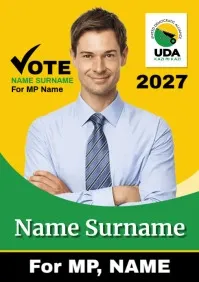
Visual consistency across all materials reinforces recognition. Templates; asset libraries; and quality control. Professional presentation.
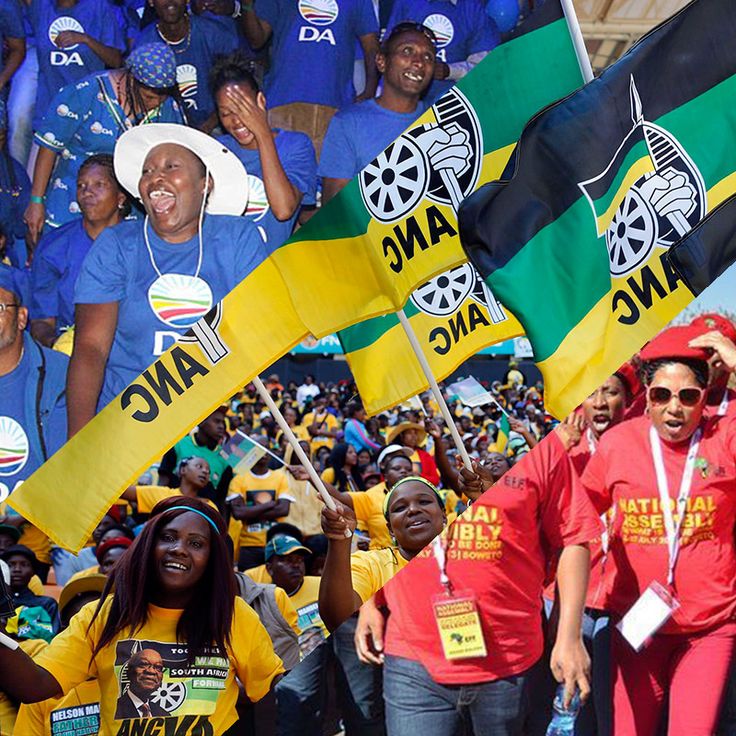
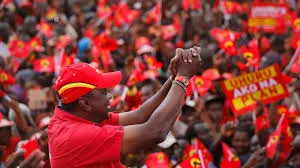
Rally and event branding creates immersive experience. Stage design; materials; and atmosphere. Mass gathering impact.
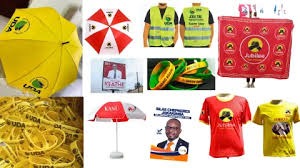
Merchandise extends brand into daily life. Wearable items; functional goods; and collectibles. Walking advertisements.
Digital presence enables direct voter connection. Website; social media; and targeted advertising. Digital organizing.
Ethical and Legal Considerations
Truth and accuracy in claims and representations. Exaggeration damages credibility; fact-checking requires preparation; and accountability matters. Honest communication.
Respect for opponents and democratic process. Attack messaging boundaries; peaceful transition commitment; and institution respect. Democratic norms.
Regulatory compliance with campaign finance and advertising rules. Spending limits; disclosure requirements; and advertising standards. Legal adherence.
Luna Graphics provides political campaign branding services with experience in Kenyan electoral context. We create compelling, compliant campaign brands that resonate with voters. Contact our political team to discuss your 2027 campaign branding.
Written by Ian Love
Marketing Director
Professional contributor at Luna Graphics specializing in printing and branding solutions.