
The Climate Challenge of Kenyan Outdoor Events
Outdoor event branding in Nairobi and across Kenya presents unique environmental challenges demanding specialized material selection, structural engineering, and maintenance protocols. The region's intense equatorial ultraviolet radiation, seasonal rainfall patterns, occasional strong winds, and fine dust infiltration stress conventional printing materials and installation methods designed for temperate indoor environments. For Kenyan event organizers and brands investing in outdoor presence, understanding climate-specific requirements prevents premature degradation, safety hazards, and brand damage from failed installations.
Nairobi's specific conditions—high altitude (1,795m) intensifying UV exposure, bimodal rainfall seasons (March-May and October-November), and variable winds—require tailored approaches distinct from coastal or lowland Kenyan regions. Successful outdoor event branding acknowledges these realities through appropriate specification rather than accepting rapid deterioration as inevitable cost of outdoor exposure.
UV Resistance and Solar Degradation Prevention
Ultraviolet radiation represents the most persistent threat to outdoor printed graphics in Kenya, with intense equatorial sun causing rapid fading, material embrittlement, and adhesive failure in inadequately specified materials. UV-resistant inks—solvent, UV-cured, or latex formulations with enhanced lightfast pigments—maintain color fidelity significantly longer than standard inks, justifying premium pricing through extended service life. For Nairobi outdoor events, UV ink specification should be non-negotiable regardless of apparent short-term cost savings.
Substrate selection equally impacts UV durability, with specific vinyl formulations, UV-stabilized fabrics, and rigid plastics engineered for outdoor exposure maintaining appearance and integrity despite continuous solar assault. Lamination with UV-filtering films provides additional protection for critical graphics, though at cost and environmental impact. Material warranties specifying fade resistance duration provide quality assurance, with premium materials offering 2-3 year colorfastness guarantees under Kenyan conditions.
| Material | UV Resistance | Water Resistance | Wind Performance | Best Nairobi Applications | |
|---|---|---|---|---|---|
| UV vinyl banner (premium) | Excellent, 2-3 years | Waterproof | Good with proper finishing | Long-term outdoor signage, building wraps | |
| Mesh banner | Good, 1-2 years | Waterproof, wind permeable | Excellent, reduces sail effect | Large format outdoor, windy locations, scaffolding covers | |
| PVC foam board | Moderate, requires UV coating | Waterproof | Poor, requires secure mounting | Short-term rigid signage, indoor-outdoor transition | |
| Aluminum composite | Excellent with proper coating | Waterproof | Good with structural mounting | Premium outdoor signage, long-term installation | |
| Outdoor fabric (UV treated) | Good, 1-2 years | Water resistant | Good, flexible response | Flags, soft signage, temporary structures | |
| Coroplast/corrugated plastic | Moderate, short-term | Waterproof | Poor, lightweight | Short-term directional, promotional signage | |
| Acrylic/polycarbonate | Excellent | Waterproof | Good with mounting | Premium signage, illuminated applications |
Waterproofing and Rain Management
Nairobi's rainy seasons demand waterproof materials and installation methods preventing water damage, mold growth, and structural failure. Fully waterproof substrates including vinyl banners, aluminum composites, and properly sealed rigid materials prevent moisture absorption that causes warping, delamination, or print degradation. Seams, edges, and mounting points require particular attention as water intrusion pathways, with welded hems, sealed edges, and appropriate grommet treatments preventing moisture penetration.
Drainage design for three-dimensional structures prevents water pooling causing accelerated degradation or structural loading. Tensioned fabric installations require slope or drainage provisions; rigid sign cabinets need weep holes or sealed construction; temporary structures require weather-resistant engineering. For multi-day Nairobi outdoor events, rapid-drying materials enable quick recovery from unexpected showers, minimizing downtime and appearance degradation.
Wind Resistance and Structural Engineering
Wind loading represents critical safety and durability consideration for outdoor event branding, with inadequate specification risking property damage, personal injury, and brand reputation harm. Wind resistance strategies include material permeability (mesh banners allowing air passage), structural aerodynamics (shaped forms reducing wind resistance), and mechanical anchoring (appropriate foundations, ballast, or tie-downs for anticipated wind loads).
Temporary structures—tents, stages, and branded architecture—require engineering analysis or proven design standards ensuring stability under Nairobi wind conditions. Ballast calculations, guy wire specifications, and foundation requirements should address worst-case scenarios rather than average conditions. Professional installation with structural expertise prevents common failures from inadequate anchoring or improper tensioning.
Dust and Particulate Management
Fine dust prevalent in Nairobi's dry seasons and construction-affected areas accumulates on outdoor graphics, dulling appearance and potentially abrading surfaces when disturbed. Material selection influencing dust accumulation includes surface texture (smooth surfaces shedding dust more readily than textured), static characteristics (anti-static treatments preventing dust attraction), and cleanability (materials allowing washing without damage).
Maintenance protocols including regular gentle cleaning extend appearance life significantly, with soft washing or air blowing removing dust accumulation before it bonds or abrades. Protective coatings providing sacrificial layers can be refreshed more economically than replacing graphics. For extended outdoor installations, maintenance accessibility should inform design and mounting decisions.
Substrate Selection for Nairobi Conditions
Optimal outdoor substrate selection balances durability requirements with installation practicalities, aesthetic objectives, and budget constraints. For long-term Nairobi outdoor branding, aluminum composite material (ACM) provides premium durability with professional appearance, accepting printed graphics or vinyl applications with 5+ year service life when properly specified. Premium cast vinyl with matching overlaminate on appropriate substrates offers flexible graphic solutions with excellent durability.
For temporary events, heavyweight vinyl banners (440gsm+) with reinforced hems and welded edges withstand Nairobi conditions for weeks or months, with mesh construction recommended for large formats or windy exposures. Rigid substrates including foam PVC or corrugated plastic suit short-term applications with moderate durability requirements. Luna Graphics provides substrate consultation optimizing specifications for specific outdoor applications and duration requirements.
Installation Methods and Weatherproofing
Installation quality significantly impacts outdoor graphic performance, with proper mounting preventing wind damage, water intrusion, and premature failure. Mechanical fastening through grommets, screws, or channel systems provides more reliable outdoor attachment than adhesive methods vulnerable to temperature cycling and moisture. Expansion allowances accommodate thermal movement preventing warping or detachment.
Professional installation ensures appropriate structural attachment, weatherproof sealing, and safety compliance. For complex Nairobi outdoor installations, engineering consultation may be warranted ensuring code compliance and risk management. Luna Graphics provides installation services with outdoor expertise ensuring graphics perform as specified under challenging conditions.
Seasonal Strategy and Timing
Outdoor event timing relative to Nairobi's rainy seasons significantly impacts branding strategy and risk exposure. March-May long rains and October-November short rains require enhanced weatherproofing, contingency planning, and potentially protective structures. Dry season events (June-September, December-February) reduce weather risk but intensify UV exposure requiring maximum fade resistance.
Multi-day events require weather contingency including protective covering, rapid repair capabilities, or replacement graphics. Weather monitoring and response protocols enable proactive protection when adverse conditions threaten. For high-value Nairobi outdoor events, weather insurance or contractual protection may be appropriate risk management.
Sustainability in Outdoor Branding
Outdoor branding sustainability challenges include material durability (longer-lasting materials reducing replacement frequency), recyclability (end-of-life material processing), and production methods (environmental impact of weatherproofing treatments). Reusable systems with changeable graphics reduce waste compared to single-use installations. Material selection considering full lifecycle impact supports environmental responsibility without compromising climate performance.
Luna Graphics provides sustainable outdoor branding options including recyclable substrates, eco-friendly inks, and reusable hardware systems maintaining performance under Nairobi conditions while reducing environmental footprint.
Case Studies and Best Practices
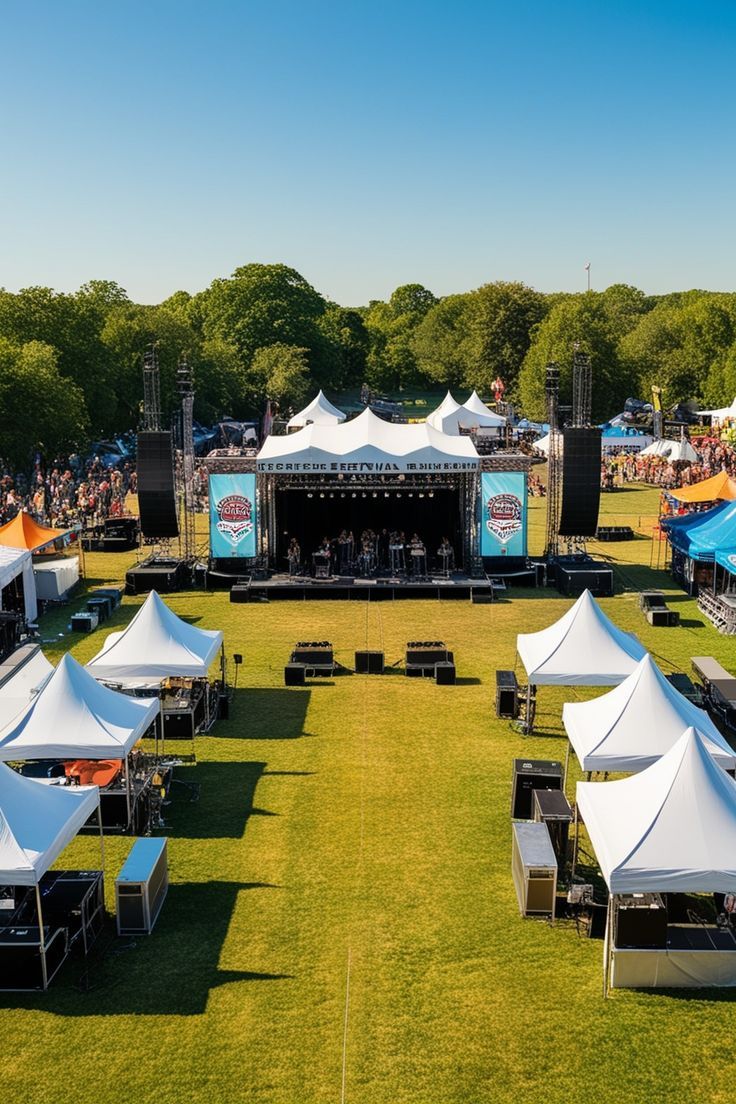
Successful Nairobi outdoor branding implementations demonstrate climate-appropriate specification principles. Long-term building signage utilizing ACM with UV-cured inks maintains appearance for years; festival branding with mesh banners and robust anchoring survives multi-day exposure; construction hoarding graphics with proper drainage and reinforced mounting address extended outdoor duration. These applications inform best practices for specific outdoor contexts.
Failure analysis equally instructs—vinyl shrinkage from inadequate substrate specification, color fading from standard inks, structural failure from insufficient wind loading consideration, or water damage from poor sealing. Learning from these failures prevents repetition in subsequent projects.
Conclusion: Climate-Resilient Outdoor Branding
Outdoor event branding in Nairobi and Kenyan conditions requires specialized knowledge and specification discipline, with climate challenges manageable through appropriate material selection, structural engineering, and maintenance protocols. Through UV-resistant specification, waterproof construction, wind engineering, and dust management, outdoor graphics achieve professional appearance and durability despite environmental stress. For Kenyan brands investing in outdoor presence, climate-appropriate branding protects investment while maintaining visual standards.
Luna Graphics provides comprehensive outdoor branding services including climate-appropriate consultation, durable material specification, professional installation, and maintenance support. Our Nairobi-specific expertise ensures outdoor graphics perform under local conditions rather than assuming temperate-climate standards. Contact our outdoor specialists to discuss your outdoor event branding requirements and discover how climate-resilient specification can extend your brand presence into challenging environments.
Written by Ian Love
Marketing Director
Professional contributor at Luna Graphics specializing in printing and branding solutions.