
Dimensional vs. Flat Graphics in Event Design
Event signage employs both dimensional laser-cut elements and flat printed graphics, each offering distinct advantages. Understanding when to specify each method—or combine them—enables optimal event design balancing impact, budget, and practicality. This comparison guides method selection for various event signage applications.
Visual impact differs fundamentally between methods. Laser-cut elements create shadows, depth, and material presence that flat printing cannot match. Light interacts with dimensional objects creating changing appearance; photography captures depth and texture; guests perceive substance and investment. Printed graphics offer color range, photographic imagery, and detail precision impossible with cutting alone. The choice depends on which visual qualities serve design objectives.
Cost structures favor different applications. Printing offers low cost for large areas of color or imagery; laser cutting becomes economical for smaller, detailed elements. Large background graphics typically print; focal point elements often benefit from dimensional cutting. Hybrid approaches—printed backgrounds with laser-cut overlays—combine economy with impact.
Method Comparison by Application
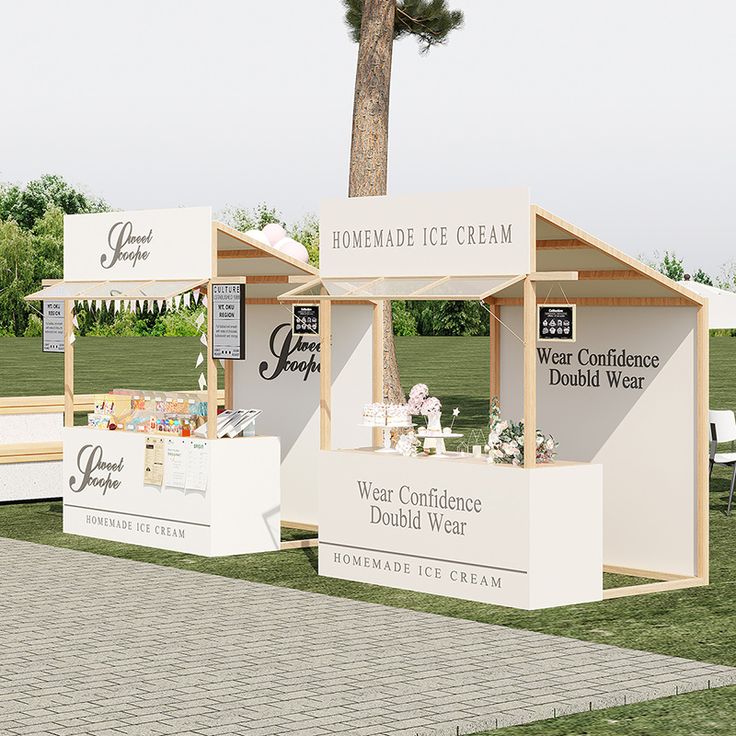
Welcome and entrance signage creates first impressions where impact matters. Laser-cut dimensional signs signal investment and quality immediately; printed banners offer economical alternatives for large scale. Budget and significance determine choice—premium events warrant laser cutting; budget-conscious events may use printing effectively with good design.
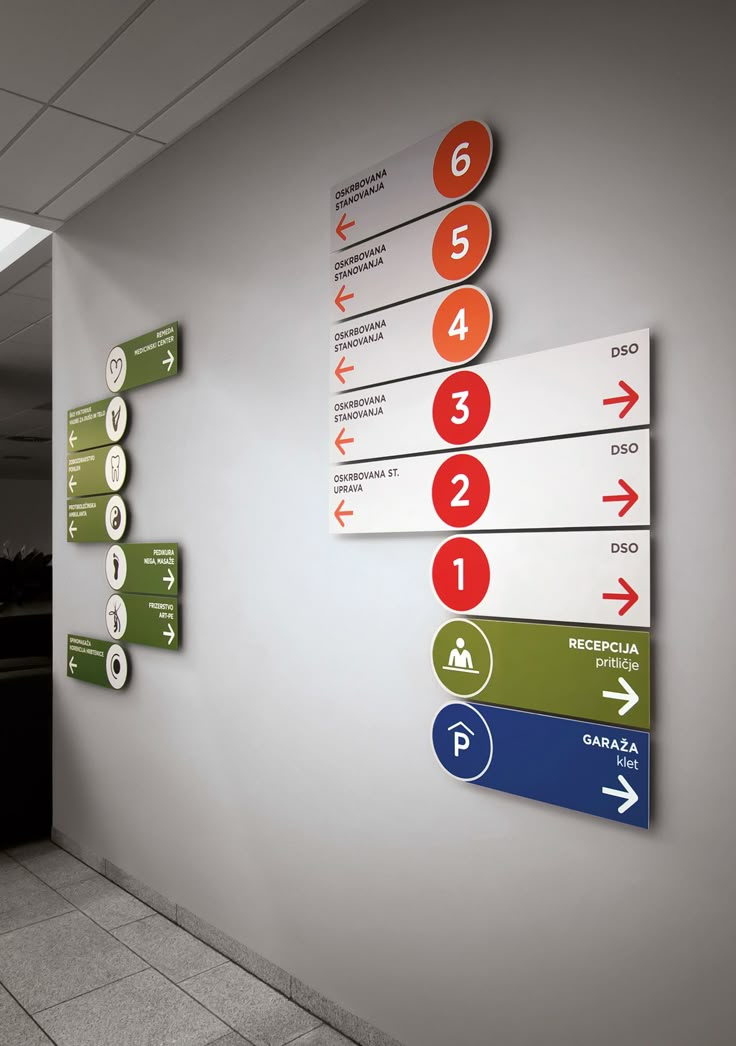
Wayfinding and directional signs prioritize clarity over aesthetics. Printed graphics suffice for simple directional information; laser cutting adds presence to significant directional elements. Consider viewing distance, lighting conditions, and duration—temporary events may use printing; permanent installations benefit from dimensional durability.
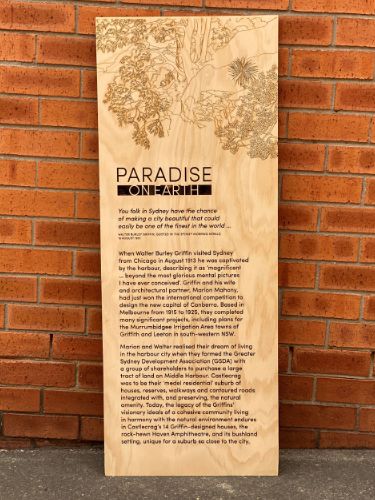
Branding and logo displays reinforce identity. Laser-cut logos provide dimensional presence and quality impression; printed logos offer color accuracy and scale flexibility. Corporate events with strong branding requirements may use both—dimensional primary logo with printed supporting graphics. Material and finish should reflect brand positioning.
Decorative and atmospheric elements create environment. Laser cutting excels at creating dimensional décor—patterns, screens, sculptures; printing covers large areas with color and imagery. These methods combine effectively—printed scenic backgrounds with laser-cut foreground elements; laser-cut frames surrounding printed graphics.
| Application | Laser Cutting Advantage | Printing Advantage | Recommended Approach |
|---|---|---|---|
| Welcome Signs | Premium impression, durability | Large scale, color range | Laser cut for premium, print for budget |
| Wayfinding | Durability, presence | Economy, quick production | Print for temporary, laser for permanent |
| Logos | Dimensional presence, quality | Color accuracy, scale | Combine: laser logo, print background |
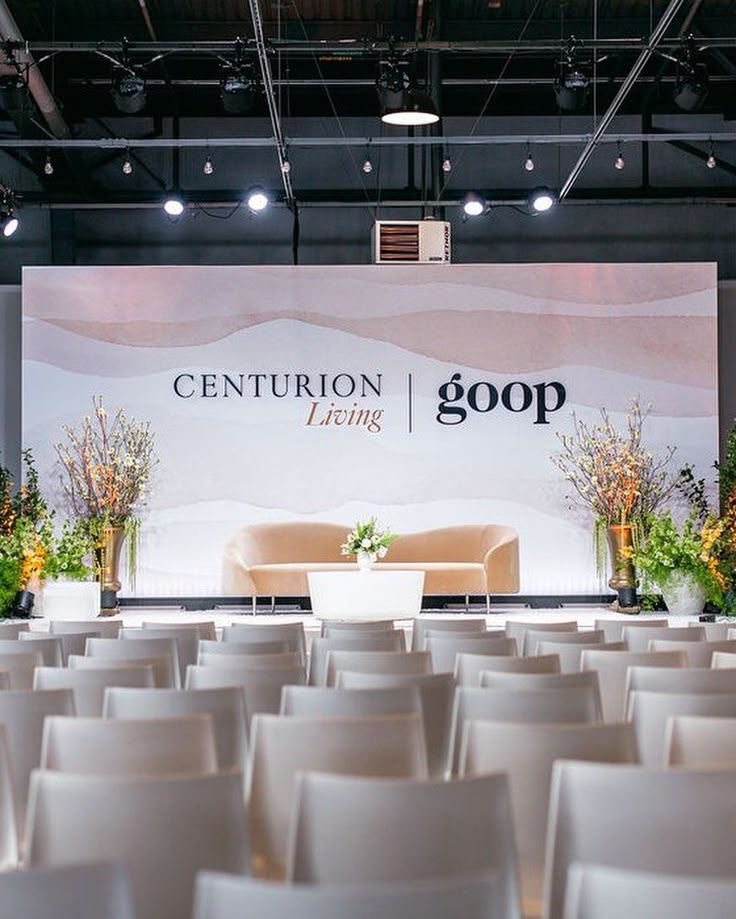
| Backdrops | Texture, shadow, photography | Large imagery, color fields | Print base, laser overlay details |
| Table Numbers | Elegance, keepsake quality | Economy, color matching | Laser cut for premium events |
| Photo Props | Dimensional interaction | Flat graphics, faces | Laser cut for impact, print for volume |
Cost and Production Considerations
Setup and tooling costs differ significantly. Laser cutting requires no tooling—designs proceed directly to production; printing requires minimal setup for digital output. Both methods suit short runs and customization economically. Quantity breakpoints where traditional methods (die cutting, screen printing) become economical are higher than most event requirements.
Material costs vary by application. Laser cutting uses solid materials (acrylic, wood, metal) costing more per unit area than paper or vinyl substrates. However, laser cutting requires no ink or consumables beyond materials and power. Printing material costs lower but ink/toner and machine costs accumulate. Total cost analysis depends on specific job parameters.
Production speed affects timeline planning. Digital printing produces large areas quickly; laser cutting proceeds sequentially along cut paths. For equivalent areas, printing is faster; for detailed elements, laser cutting may be comparable or faster than complex printing setups. Rush jobs may favor one method over the other depending on design.
Finish and durability considerations influence method choice. Laser-cut materials inherently durable and finished; printed materials may require lamination or mounting for durability and appearance. Outdoor events or handling-intensive applications favor laser cutting durability; temporary indoor events may use unlaminated printing economically.
Hybrid Approaches and Integration
Layered combinations maximize impact. Printed graphics as base layers with laser-cut dimensional elements overlaid create depth and interest. This approach uses printing for color and imagery, laser cutting for texture and dimension. Registration between layers requires precision; design should accommodate slight misalignment.
Cutouts and windows in printed pieces create dimensional effects. Printed substrates laser-cut to reveal layers beneath or create dimensional edges. This hybrid uses printing efficiency for graphics, cutting for form. Backlighting through cutouts creates dramatic effects.
Applied elements combine methods. Printed vinyl applied to laser-cut substrates; laser-cut appliqués on printed backgrounds; printed inserts in laser-cut frames. These combinations leverage each method's strengths. Assembly labor adds cost but creates distinctive results.
Material integration extends possibilities. Printed papers laminated to rigid substrates then laser-cut; laser-cut elements serving as registration guides for printing; printed graphics sealed under clear acrylic. These advanced combinations require coordination between processes but achieve unique effects.
Selection Guidelines for Event Planners
Budget allocation prioritizes high-impact elements. Dimensional laser cutting for focal points—welcome signs, head tables, photo backdrops; printing for background and supporting graphics. This concentration of resources creates impression of overall quality while managing costs.
Event duration influences method selection. Single-day events may use economical printing; multi-day events or installations benefit from laser cutting durability; permanent installations require laser cutting longevity. Match method to useful life required.
Photography importance drives dimensional investment. Events with heavy social media documentation warrant laser cutting for photogenic qualities; internal corporate events may prioritize information delivery through printing. Consider how event will be documented and shared.
Brand consistency across materials matters for corporate events. Ensure colors, finishes, and quality levels coordinate between printed and cut elements. Establish standards for both methods; proof together; inspect production samples. Consistency professionalizes event appearance.
Luna Graphics offers both laser cutting and digital printing services, providing unbiased recommendations for optimal event signage solutions. Our integrated production capabilities enable hybrid approaches combining methods effectively. From budget-conscious events through premium productions, we deliver appropriate solutions meeting design and economic objectives. Contact us to discuss your event signage requirements.
Written by Ian Love
Marketing Director
Professional contributor at Luna Graphics specializing in printing and branding solutions.