
The Power of Event Environments
Events—weddings, corporate functions, celebrations—create temporary worlds where environment shapes experience. Backdrops and props establish these worlds, providing settings for ceremony, celebration, and photography. Laser cutting enables creation of intricate, large-scale environmental elements impossible with manual fabrication, transforming ordinary venues into extraordinary spaces.
Photo opportunities drive modern event design. Social media sharing extends event reach and creates lasting memories. Backdrops and props designed for photography—considering lighting, scale, and composition—become essential event elements. Laser cutting creates detailed, dimensional settings that photograph beautifully and provide guests with shareable moments.
Scale and impact characterize successful event elements. Small details lose impact in large venues; laser cutting enables large-scale fabrication (2-4 meters or more) maintaining detail precision. These statement pieces anchor event design, providing focal points around which other elements arrange. The investment in major pieces pays dividends in event memorability.
Backdrop Design and Fabrication
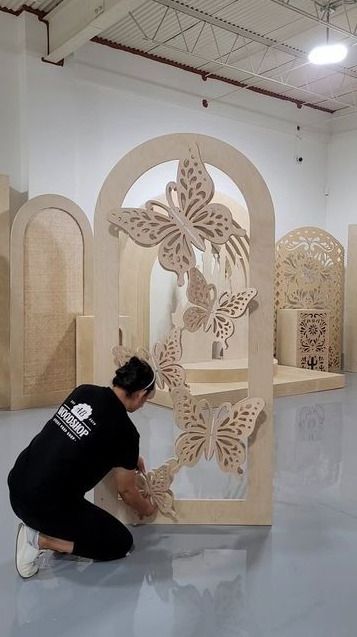
Ceremony backdrops frame life's significant moments. Wedding arches, chuppahs, mandaps, and altars laser-cut from wood, metal, or acrylic create sacred spaces. Scale typically 2-3 meters width and height; structural engineering ensures stability; design motifs reflect cultural or personal significance. These backdrops appear in ceremony photographs becoming permanent visual memories.
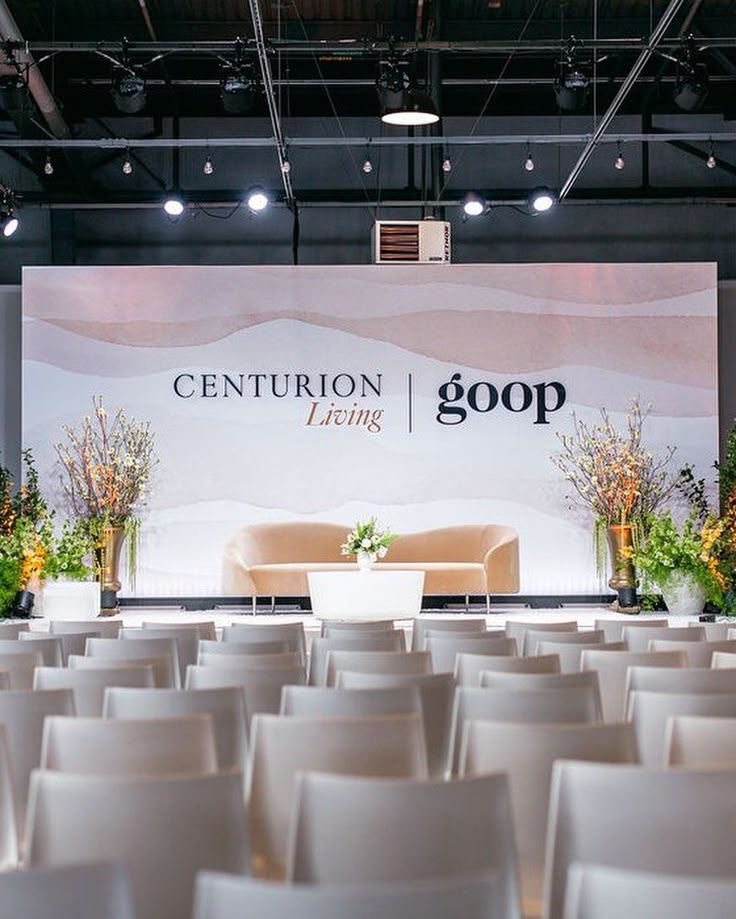
Reception backdrops anchor head tables, cake displays, or entertainment areas. Wall-sized installations (3-6 meters) create dramatic settings; layered constructions add depth; integrated lighting transforms appearance from day to evening. These backdrops elevate reception spaces from decorated rooms to designed environments.
Photo backdrops specifically designed for guest photography create event souvenirs. Step-and-repeat patterns for branded events; scenic constructions for themed parties; elegant frames for wedding portraits. Scale accommodates group photos; lighting design ensures flattering photography; durability withstands guest interaction.
Entrance and transition backdrops set event tone immediately. Entry arches, tunnel constructions, or dramatic portals create arrival experiences. These elements build anticipation and signal event significance. Scale and impact should match venue architecture and event importance.
| Backdrop Type | Typical Size | Materials | Key Considerations |
|---|---|---|---|
| Ceremony Arch | 2-3m wide, 2.5-3m high | Wood, Metal, Acrylic | Structural stability, wind resistance |
| Reception Wall | 3-6m wide, 2.5-3m high | Wood, Metal, Mixed | Installation, lighting integration |
| Photo Backdrop | 2-4m wide, 2-3m high | Various | Photography lighting, durability |
| Entrance Feature | 2-4m scale | Wood, Metal, Fabric | Impact, weather if outdoor |
| Ceiling Installation | Variable, often large | Light materials, fabric | Suspension engineering, safety |
Props and Interactive Elements
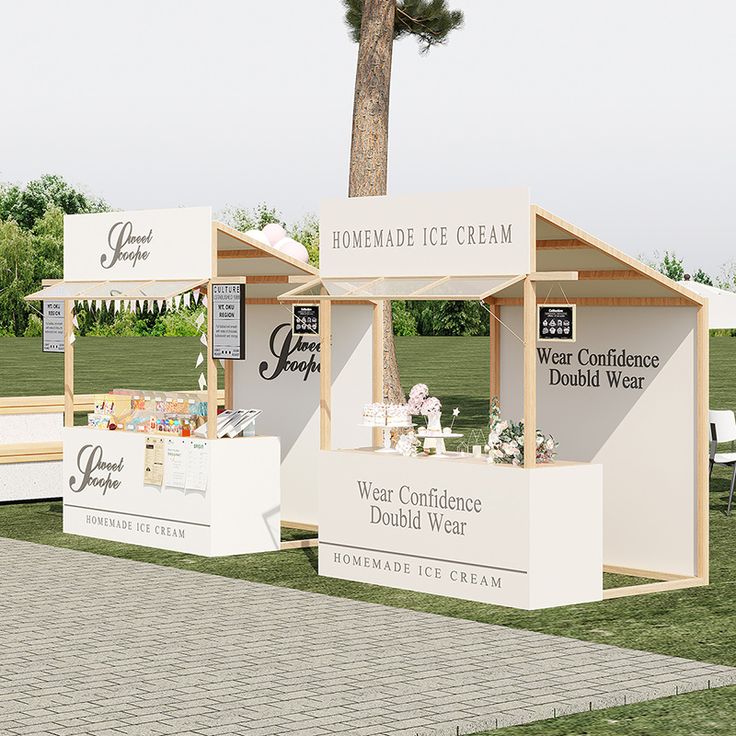
Freestanding props create photo opportunities and environmental interest. Oversized objects, sculptural elements, or themed constructions invite guest interaction. Scale ranges from human-size to monumental; materials suit handling and photography; bases ensure stability. These props become event signatures and social media content.
Tableau and scene settings create immersive environments. Complete constructed scenes—gardens, cities, abstract spaces—using laser-cut elements as primary construction. These elaborate productions suit high-budget events and brand activations. Coordination of lighting, sound, and scent completes immersion.
Interactive props engage guests actively. Laser-cut puzzle walls, message boards, or construction elements invite participation. These activities entertain guests and create shared experiences. Durability for repeated handling; intuitive interaction design; staffing for facilitation if needed.
Branded props extend corporate identity into events. Logo sculptures, product replicas, or thematic constructions reinforce brand messages. Scale ensures visibility and impact; finish quality reflects brand standards; photography optimization maximizes exposure. These props serve marketing objectives beyond event decoration.
Material Selection for Large Elements
Structural materials provide framework and support. Steel or aluminum frames support large constructions; engineered lumber provides rigidity; aluminum composite panels offer lightweight flat surfaces. These structural elements may be hidden or incorporated into design. Engineering calculations ensure safety under load and environmental conditions.
Surface materials create appearance and detail. Thin wood veneers over structure; acrylic panels for transparency or color; metal sheets for industrial aesthetic; fabric stretched over frames. Laser cutting processes these surface materials with precision; attachment methods secure them to structure.
Weight considerations affect installation and safety. Large event elements must be transportable, installable, and secure when erected. Material selection balances appearance with weight; hollow constructions reduce mass; modular designs enable assembly on-site. Venue load limits and installation access constrain design.
Weather resistance for outdoor events requires material consideration. Marine-grade plywood; exterior-rated finishes; rust-resistant metals; UV-stable acrylics. These specifications ensure elements survive event duration without degradation. Contingency plans for weather extremes (wind, rain) protect investment and safety.
Installation and Safety
Structural engineering ensures safety for large installations. Professional engineering review for elements over 3 meters or with significant wind exposure; proper foundations or ballast; secure connections resisting lateral forces. Safety standards protect guests, staff, and liability. Engineering documentation may be required for venue approval.
Installation logistics require planning and expertise. Transport to venue; access for large pieces; assembly time and crew; coordination with other vendors. Detailed installation drawings guide field work; experienced crews ensure quality; contingency time accommodates challenges. Installation often occurs under time pressure requiring efficiency.
Lighting integration enhances appearance and photography. Uplighting, backlighting, or integrated LEDs transform element appearance; color temperature affects photography; power distribution requires planning. Lighting design should be integral to element design, not afterthought.
Removal and restoration return venue to original condition. Event contracts require complete removal; damage repair; cleaning; waste disposal. Planning for efficient removal prevents overtime charges and venue penalties. Rental elements require inventory and condition checking.
Luna Graphics fabricates large-scale event elements for Kenya's wedding and corporate event industries. Our capabilities include structural engineering, large-format laser cutting, and installation management for complex productions. From elegant wedding arches through elaborate brand activations, we create event environments that impress and endure. Contact us to discuss your event backdrop and prop requirements.
Written by Ian Love
Marketing Director
Professional contributor at Luna Graphics specializing in printing and branding solutions.