
The Trade Show Attention Economy
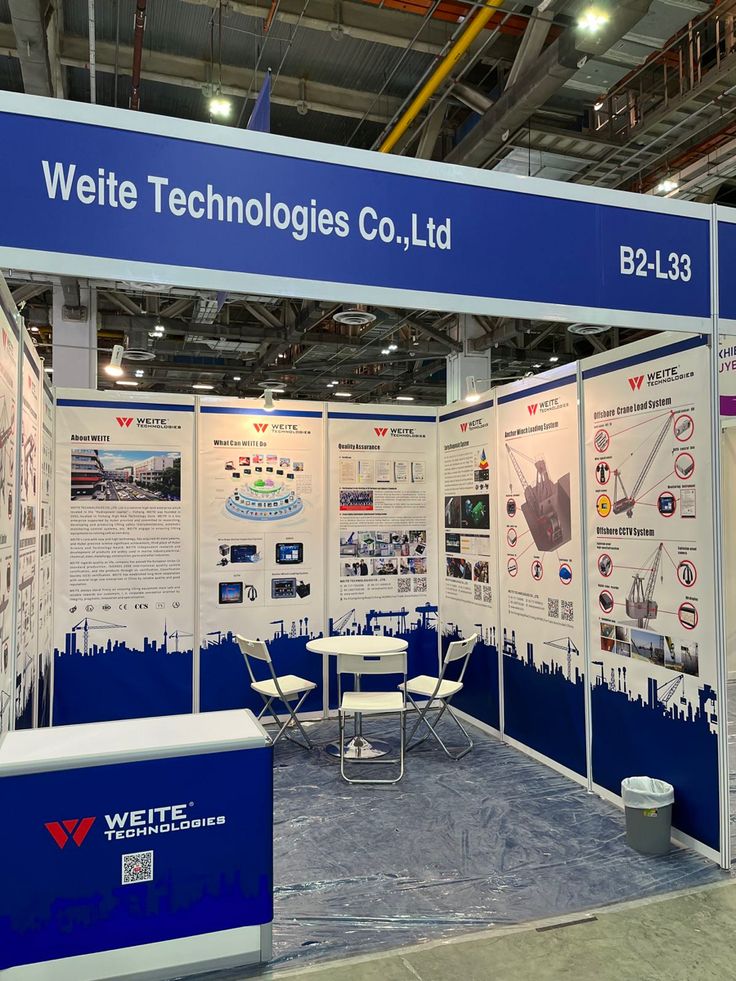
Kenyan trade shows and exhibitions—ranging from industry-specific expos (Propak East Africa, AgroFood, Medic East Africa) to consumer shows (Nairobi International Trade Fair, SME Expo)—represent intense competition for attendee attention. With hundreds of exhibitors vying for limited visitor time, strategic giveaways serve multiple functions: traffic generation (attracting booth visitors); engagement tools (facilitating conversations); brand memory aids (post-event recall); and lead qualification (identifying serious prospects). However, poorly planned giveaways attract crowds without generating ROI—"t-shirt hunters" collecting items without business interest.
Effective exhibition strategy requires aligning giveaway value with prospect quality, creating tiered systems that reward genuine engagement while filtering casual visitors.
Traffic Generation vs. Lead Quality
Giveaway strategy must balance quantity (booth traffic creating energy and social proof) with quality (qualified leads with purchase intent). High-visibility, low-cost items (pens, stickers, candy) draw initial crowds; mid-tier items (t-shirts, caps, tote bags) require interaction (scan badge, answer survey); and premium items (tech accessories, gift sets) reward qualified prospects (scheduled meetings, demo participation). This tiered approach filters visitors while maintaining booth energy.
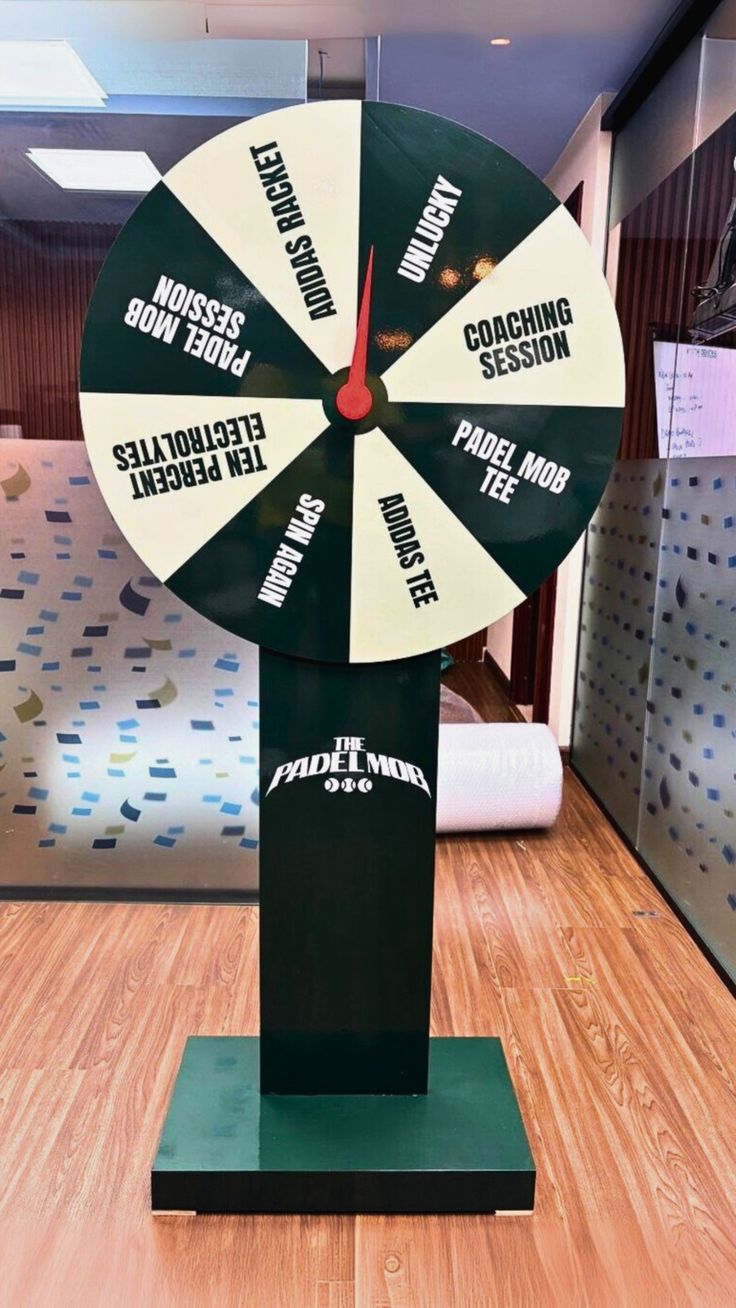
Traffic generation tactics: spinning wheels (gamification); "booth goals" (collect stamps from stations); social media check-ins (post photo, receive item); and scheduled giveaway times (creating urgency). However, staff must qualify visitors during engagement—collecting business cards, assessing needs, scheduling follow-up.
| Giveaway Tier | Item Examples | Qualification Threshold | Cost Range | Strategic Purpose |
|---|---|---|---|---|
| Universal (Low) | Pens, stickers, candy, brochures | None—free distribution | KES 20-100 | Traffic, awareness |
| Engagement (Medium) | T-shirts, caps, tote bags, notebooks | Scan badge, survey, demo | KES 200-800 | Lead capture, conversation |
| Qualified (High) | Power banks, umbrellas, quality apparel | Meeting booked, spec confirmed | KES 1,000-3,000 | Serious prospect reward |
| VIP (Premium) | Tech sets, leather goods, hampers | Contract discussion, C-suite | KES 5,000+ | Relationship deepening |
| Interactive | Photo booth prints, custom sketches | Social sharing, engagement | KES 100-500 | Experience, UGC generation |
| Educational | Industry guides, toolkits, whitepapers | Contact info, role verified | KES 50-200 (print) | Thought leadership |
| Sustainable | Seed paper, reusable bags, plants | Values alignment | KES 100-500 | Brand values demonstration |
| Tech-Integrated | QR codes, NFC tags, AR triggers | App download, registration | KES 50-300 | Digital engagement bridge |
Memorability and Brand Association
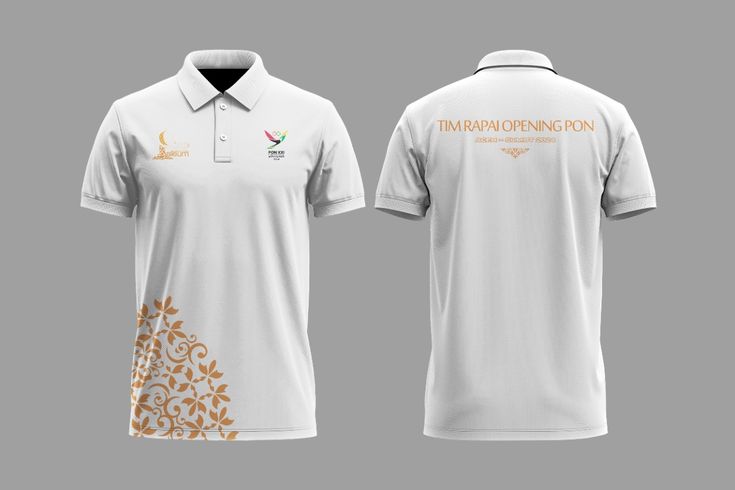
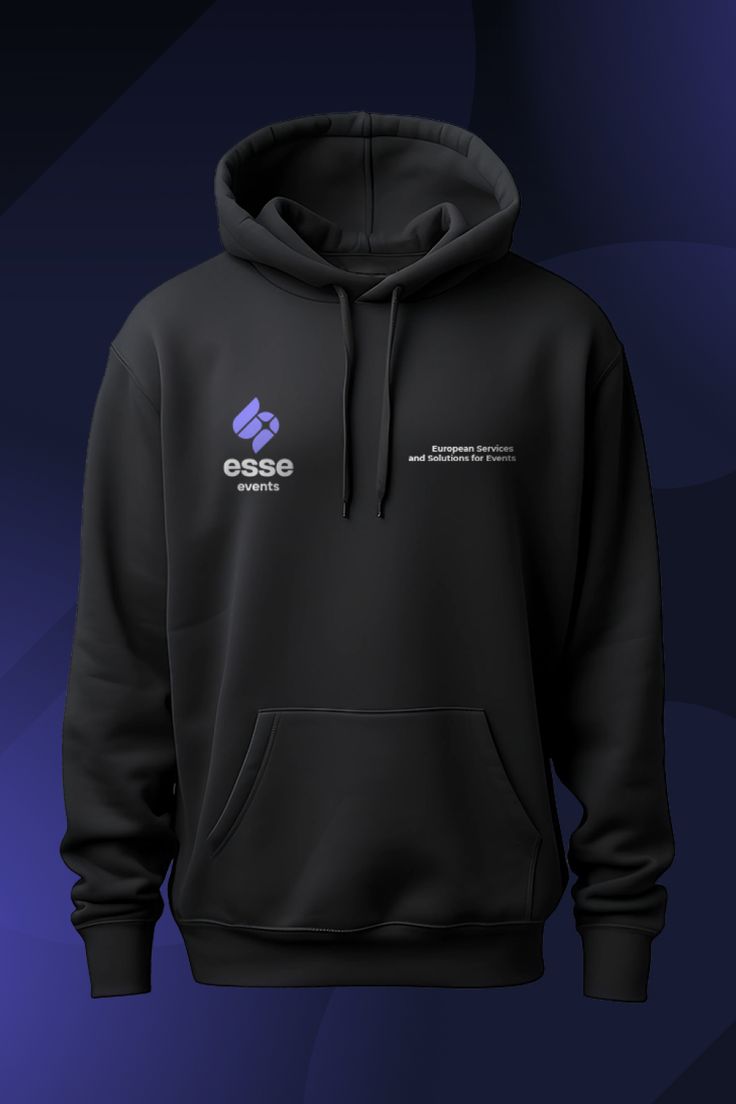
Giveaway effectiveness depends on post-show recall—items kept and used extend brand exposure. Utility drives retention: desk items (phone stands, cable organizers) seen daily; wearables (quality apparel) generating impressions; and consumables (premium coffee, chocolate) creating positive associations. Novelty items (stress balls, fidget toys) often discarded quickly.
Brand integration must be subtle yet persistent: logo placement on usable surfaces (not hidden bottoms); quality suggesting brand standards; and contextual relevance (industry-specific tools). Kenyan context considerations—items useful in local climate (umbrellas, fans, water bottles) outperform generic international giveaways.
Lead Capture and Qualification Systems
Giveaways must integrate with lead management: badge scanning (digital capture replacing business cards); qualification questions (budget, timeline, decision role); immediate CRM entry (categorizing by giveaway tier received); and follow-up scheduling (meeting booking before booth departure). Staff training ensures giveaway distribution accompanies data capture—not random handouts.
Post-event segmentation: universal tier (nurture campaigns); engagement tier (sales follow-up); qualified tier (priority outreach); and VIP tier (executive relationship management). Giveaway tier indicates prospect seriousness enabling appropriate follow-up intensity.
Pre-Show and Post-Show Integration
Exhibition strategy extends beyond booth hours: pre-show promotion (social media "visit us for exclusive giveaway"); appointment setting (premium items reserved for scheduled meetings); and post-show fulfillment (promised materials delivered, reinforcing reliability). Giveaway promises unfulfilled damage brand credibility.
Post-show giveaway extensions: "sorry we missed you" packages for no-shows; social media contests (post booth photo, win premium item); and referral incentives (bring colleague to booth, receive upgrade). Exhibition investment continues generating returns weeks after event close.
Budget Allocation and ROI Measurement
Exhibition giveaway budgeting typically represents 10-20% of total booth investment. Allocation: 60% engagement tier (volume lead generation); 30% qualified tier (serious prospect conversion); 10% universal/VIP (traffic and relationships). Cost-per-lead calculations must include giveaway costs alongside booth fees, staffing, and logistics.
ROI measurement: lead quantity and quality by giveaway tier; post-show conversion rates (giveaway recipients vs. non-recipients); brand recall surveys (aided and unaided); and social media metrics (hashtag usage, photo shares). Attribution complexity requires robust tracking systems.
Sustainability and Waste Reduction
Exhibition waste (discarded giveaways, single-use booth materials) increasingly concerns environmentally conscious brands: sustainable giveaways (seed paper, bamboo, recycled materials); digital alternatives (QR code downloads replacing brochures); and quality over quantity (fewer, better items reducing landfill). Leftover inventory management (donation, storage for next show, staff gifts) prevents waste.
Kenyan regulatory environment (plastic bag bans, NEMA compliance) requires material awareness. Sustainable exhibition practices align with corporate values and differentiate among competitors.
Conclusion: Strategic Giveaways as Exhibition Investment
Exhibition giveaways represent significant investment requiring strategic planning—tiered qualification, memorable utility, lead integration, and sustainability consideration. Random distribution wastes resources; strategic deployment generates measurable ROI.
Luna Graphics provides exhibition giveaway strategy and production—tiered product selection, customization, and fulfillment logistics. Our experience with Kenyan trade shows ensures culturally appropriate, effective giveaway programs. Contact our events team to maximize your exhibition investment.
Written by Ian Love
Marketing Director
Professional contributor at Luna Graphics specializing in printing and branding solutions.