
Dimensional vs. Graphic Impact
Event branding employs diverse technologies to create memorable environments and communicate messages. CNC cutting and printing represent fundamentally different approaches—dimensional physical forms versus two-dimensional graphic applications—each with distinct advantages and optimal applications. Understanding these differences enables strategic technology selection maximizing event impact within budget constraints.
The technologies complement rather than compete, with sophisticated events combining dimensional CNC elements with printed graphics for layered visual experiences. However, budget limitations or specific objectives may favor one approach, requiring informed trade-off decisions.
This guide compares CNC cutting and printing for event branding applications, providing selection guidance for event professionals.
Technology Fundamentals
CNC Cutting: Subtractive manufacturing creating three-dimensional forms through material removal. Results are physical objects with depth, shadow, and presence. Materials include wood, plastic, foam, metal, and composites. Processes include routing, milling, and carving.
Printing: Additive or transfer processes applying graphics to surfaces. Results are primarily two-dimensional, though specialty printing creates limited dimensionality. Methods include digital inkjet (flatbed and roll), dye-sublimation, screen printing, and UV printing. Substrates include paper, vinyl, fabric, rigid boards, and direct-to-object.
| Factor | CNC Cutting | Printing | Event Implication |
|---|---|---|---|
| Dimensionality | True 3D, depth, shadow | Primarily 2D, limited relief | Physical presence vs graphic coverage |
| Material range | Rigid materials, structural | Flexible and rigid substrates | Structural elements vs graphics |
| Color capability | Material color, painted finish | Full color, gradients, photos | Brand color matching, imagery |
| Detail level | Limited by tool size | High resolution, fine detail | Photographic reproduction |
| Production speed | Slower, material dependent | Fast, especially digital | Timeline considerations |
| Cost structure | Higher material and labor | Lower variable cost | Budget impact |
| Durability | Rigid, robust | Variable by substrate | Reuse, transport, handling |
| Weight | Heavier, structural | Lightweight | Rigging, installation, shipping |
Application-Specific Comparison
Backdrop Walls:
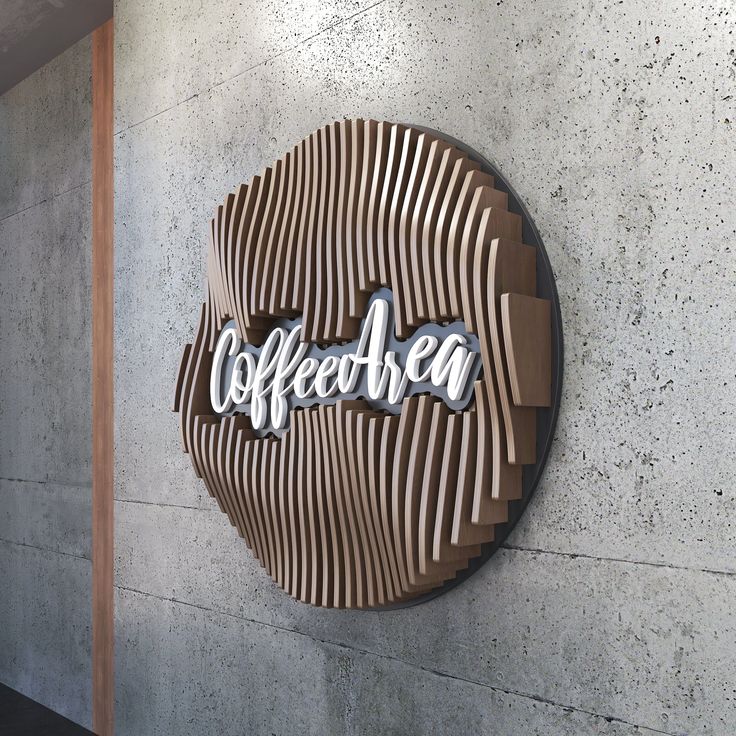
- CNC: Dimensional patterns, layered constructions, sculptural forms. Creates shadow and light effects; substantial presence; premium appearance. Higher cost and weight; limited color complexity.
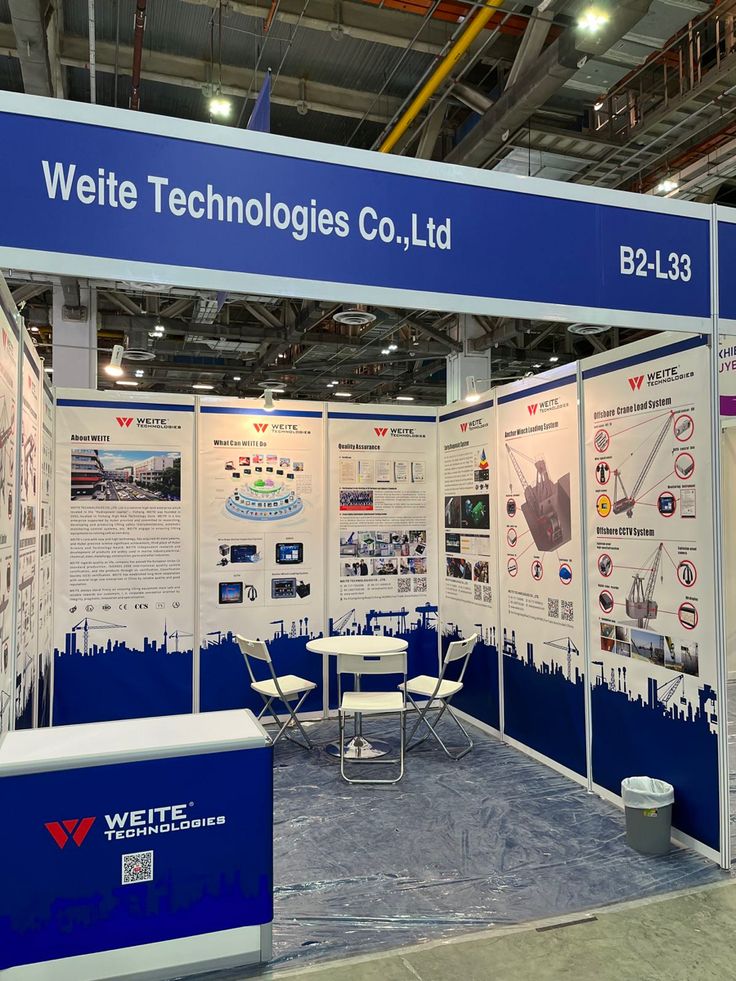
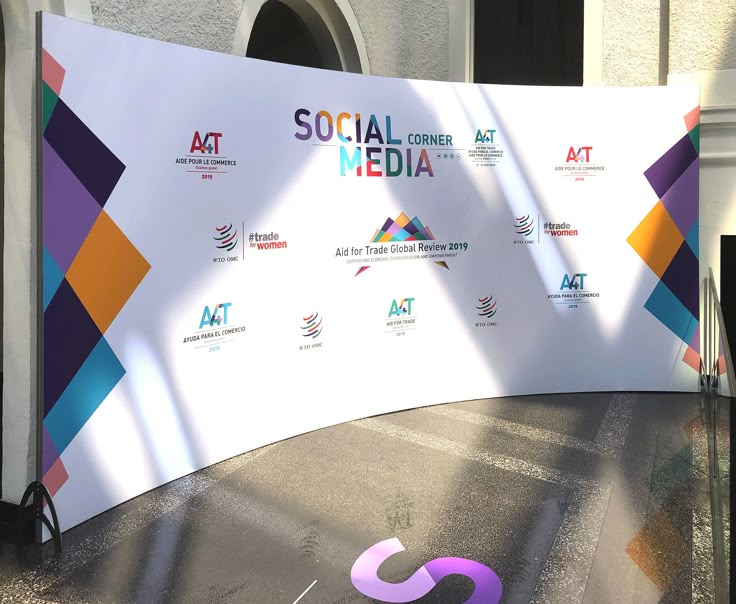
- Printing: Unlimited graphics, photographic imagery, color gradients. Large format coverage; economical for complex imagery; lightweight. Flat appearance; requires lighting for impact; less distinctive.
Logo and Lettering:
- CNC: Dimensional letters with depth and shadow; material substance conveying quality; illuminated options through side-lighting or back-lighting. Premium positioning; higher cost; installation complexity.
- Printing: Flat graphics applied to surfaces; full color and gradient capability; economical production. Less visual impact; dependent on substrate quality; easier installation.
Signage and Wayfinding:
- CNC: Durable, rigid signs with dimensional elements; premium appearance for high-visibility applications; material conveying permanence. Higher investment; substantial appearance.
- Printing: Flexible graphics on various substrates; economical for temporary applications; easy update for changing information. Less durable; flat appearance; budget-friendly.
Photo Opportunities:
- CNC: Dimensional frames, props, and backdrops creating immersive environments; shadows and depth photograph dramatically; distinctive social media content. Higher production investment; substantial logistics.
- Printing: Graphic backdrops and step-and-repeat walls; unlimited visual complexity; lightweight transport. Common approach; less distinctive; dependent on lighting for photography.
Integration Strategies
Layered Approaches: Optimal event branding often combines technologies—CNC-cut dimensional elements layered with printed graphics. Example: CNC-cut architectural frame with printed graphic infill; dimensional lettering on printed background; or printed fabric tensioned within CNC-cut structure.
Focal Points: Invest CNC budget in high-impact focal elements—stage backdrop, entrance feature, or photo opportunity—while utilizing printing for large-area coverage and informational graphics. Strategic allocation maximizes impact within budget.
Material Combinations: CNC-cut substrates subsequently printed (flatbed UV printing on CNC-cut panels) combine dimensional form with graphic complexity. Printed dimensional elements offer hybrid advantages.
Economic Considerations
Initial Production: CNC cutting generally higher cost than printing for equivalent coverage area due to material costs, machine time, and finishing labor. However, CNC elements may eliminate need for separate structure that printed graphics require.
Reusability: CNC-cut elements often durable enough for multiple events, amortizing higher initial cost across uses. Printed materials typically single-use or limited reuse due to substrate durability or event-specific messaging.
Transport and Logistics: CNC elements heavier and bulkier, increasing shipping and drayage costs. Printed materials lightweight and packable, reducing logistics costs. Factor total event cost, not merely production.
Setup Labor: CNC structures may require skilled assembly; printed graphics often simpler installation. Labor cost differential affects total project economics.
Selection Guidelines
Choose CNC Cutting When:
- Premium brand positioning requires distinctive, high-quality appearance
- Dimensional presence and shadow effects desired
- Structural elements needed (shelving, display fixtures, architectural features)
- Reusable inventory justifies investment
- Material substance conveys message (sustainability, craftsmanship, permanence)
- Lighting effects through dimensional forms planned
Choose Printing When:
- Photographic imagery or complex gradients required
- Budget constraints limit dimensional work
- Large graphic coverage needed economically
- Lightweight, portable solution required
- Message changes frequently (dates, locations, sponsors)
- Timeline compressed, requiring rapid production
Combine When:
- Budget allows strategic investment in focal points with economical surround
- Design concept benefits from dimensional and graphic layering
- Structural CNC elements require graphic infill or application
- Maximum impact prioritized over single-technology purity
Luna Graphics offers both CNC cutting and printing capabilities, providing unbiased recommendations based on project requirements. Our integrated services enable optimal technology combinations for maximum event impact. Contact our event specialists to discuss your branding requirements and receive technology-appropriate solutions.
Written by Ian Love
Marketing Director
Professional contributor at Luna Graphics specializing in printing and branding solutions.